If you’ve been eating healthy, exercising regularly, and still noticing stubborn belly fat — especially around the lower abdomen — stress hormones may be playing a bigger role than you think.
Cortisol, often called the body’s primary stress hormone, is essential for survival. But when cortisol levels stay elevated for long periods due to chronic stress, poor sleep, or blood sugar imbalances, it can signal the body to store more fat — particularly around the belly.
This type of fat is often referred to as “cortisol belly.” It’s not just about calories or workouts. Your body’s hormonal environment plays a major role in whether it stores fat or burns it.
The good news is that your diet can directly influence cortisol levels. Certain foods help stabilize blood sugar, reduce inflammation, and support the nervous system — all of which contribute to lowering cortisol naturally.
In this guide, we’ll explore foods that support healthy cortisol levels, what to avoid, and how to structure your meals to help your body shift out of stress mode and into fat-burning mode.
⚠️ What Is Cortisol Belly Fat?
Cortisol belly fat refers to fat stored around the abdomen due to chronically elevated stress hormones. When cortisol remains high for long periods, the body shifts into a protective mode and stores more fat near vital organs.
This type of fat is often softer, harder to lose, and commonly linked to symptoms like bloating, fatigue, poor sleep, and strong cravings.
Unlike regular weight gain, cortisol-related belly fat is more influenced by hormones, sleep, and stress levels than calories alone.
🧠 Signs Your Belly Fat Is Caused by High Cortisol
You may be dealing with cortisol-related fat if you notice:
- Weight gain mainly around the lower abdomen
- Waking up around 2–4 AM
- Feeling tired but wired at night
- Strong sugar or salty cravings
- Increased stress and anxiety
- Energy crashes during the day
These signs suggest your body may be in a constant stress-response state, making fat loss more difficult.
🔄 Why Diet Plays a Key Role in Cortisol Levels
Your diet has a direct impact on cortisol through blood sugar regulation and nervous system support.
When you consume highly processed foods or skip meals, your blood sugar fluctuates. This signals your body to release more cortisol to maintain energy balance.
On the other hand, nutrient-dense foods rich in healthy fats, protein, magnesium, and antioxidants help stabilize blood sugar and calm the stress response.
👉 Related:–> Why belly fat is so hard to lose<– — understand how hormones affect fat storage.
🥑 7 Foods That Lower Cortisol Naturally
1. Fatty Fish (Salmon, Sardines, Mackerel)
Why it works:
Fatty fish are rich in omega-3 fatty acids, which help reduce inflammation and support a healthier stress response. Studies suggest omega-3s may help regulate cortisol levels and improve how the body handles stress.
How to eat it:
Aim for 2–3 servings per week, preferably grilled or baked.
Research suggests omega-3 fatty acids may help reduce stress responses and support lower cortisol levels.
2. Avocado
Why it works:
Avocados provide healthy fats and magnesium, both of which help calm the nervous system. Stable fat intake also prevents blood sugar crashes that can trigger cortisol spikes.
How to eat it:
Add to toast, salads, or smoothies for a balanced meal.
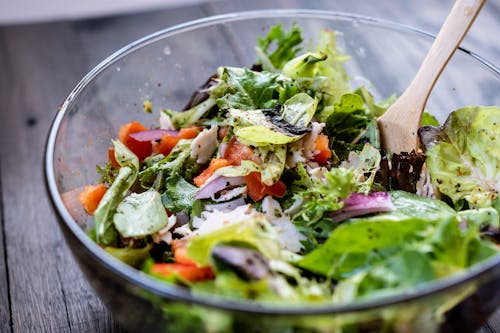
3. Leafy Greens (Spinach, Kale)
Why it works:
Leafy greens are high in magnesium, a key mineral that helps regulate cortisol and supports relaxation. Low magnesium levels are often linked to increased stress and poor sleep.
How to eat it:
Blend into smoothies or sauté lightly with garlic and olive oil.
👉 Related: 7-Day Cortisol Belly Diet Plan (Free Printable Guide + PDF)
4. Fermented Foods (Yogurt, Kimchi, Sauerkraut)
Why it works:
Your gut plays a major role in stress regulation. Healthy gut bacteria produce neurotransmitters like GABA, which help calm the brain and reduce stress signals.
How to eat it:
Include one serving daily to support gut balance.
5. Dark Chocolate (85% Cacao+)
Why it works:
High-quality dark chocolate contains antioxidants that may help lower stress hormones and improve mood. It also supports blood flow and brain function.
How to eat it:
Stick to 1–2 small squares after meals to avoid excess sugar.
6. Berries (Blueberries, Strawberries)
Why it works:
Berries are rich in antioxidants that help reduce oxidative stress and inflammation, both of which are linked to elevated cortisol levels.
How to eat it:
Add to yogurt, oatmeal, or smoothies for a low-sugar option.
7. Eggs & Turkey (Tryptophan-rich foods)
Why it works:
These foods contain tryptophan, an amino acid that supports serotonin production. Balanced serotonin levels help regulate mood, sleep, and cortisol rhythm.
How to eat it:
Include in breakfast or lunch for stable energy and reduced cravings.
👉 Related:–>🧠 How Stress Leads to Belly Fat – And 5 Ways to Fix It Naturally<–
☕ My Take: What Actually Makes the Biggest Difference
In most cases, it’s not just one “superfood” that lowers cortisol — it’s consistency. Eating balanced meals, sleeping better, and reducing daily stress have a much bigger impact than any single food.
For many people, simply stabilizing blood sugar and improving sleep can noticeably reduce cravings, energy crashes, and stubborn belly fat over time.
🧘 Daily Habits That Help Lower Cortisol Naturally
Food is powerful, but lifestyle habits also play a key role in regulating cortisol.
Simple habits that help include:
- Getting 7–8 hours of quality sleep
- Walking daily instead of high-stress workouts
- Spending time in sunlight
- Practicing deep breathing or meditation
- Reducing caffeine intake
These habits signal your body that it is safe, allowing it to release stored fat instead of holding onto it.
🚫 3 Foods That Spike Cortisol (Avoid These)
• Excess caffeine
• Sugary snacks
• Highly processed foods
These create blood sugar spikes → leading to cortisol increases.

🍽️ Sample 1-Day Cortisol-Lowering Meal Plan
Breakfast:
Avocado toast + 2 eggs + berries
Lunch:
Salmon bowl with greens, rice, avocado
Snack:
Yogurt with blueberries or dark chocolate
Dinner:
Turkey stir-fry with spinach & fermented veggies
⏳ How Long Does It Take to Reduce Cortisol Belly?
Lowering cortisol and reducing belly fat takes consistency.
Typical timeline:
- Week 1–2: Better sleep and reduced bloating
- Week 3–4: Fewer cravings and improved energy
- Week 4–8: Visible reduction in belly fat
- 2–3 months: More stable metabolism and hormone balance
Sustainable changes work better than extreme diets.
❓ Frequently Asked Questions About Cortisol and Belly Fat
1. Can high cortisol really cause belly fat?
Yes. Chronically elevated cortisol signals the body to store fat around the abdomen, particularly visceral fat. It also increases cravings and affects metabolism, making fat loss more difficult.
2. What is the fastest way to lower cortisol naturally?
The most effective way is a combination of stable blood sugar (balanced meals), good sleep, daily movement, and stress-reducing habits like walking, sunlight exposure, and deep breathing.
3. Which foods help reduce cortisol levels?
Foods rich in magnesium, healthy fats, antioxidants, and protein — such as leafy greens, fatty fish, berries, and fermented foods — help support a balanced stress response.
4. How long does it take to reduce cortisol belly fat?
With consistent diet and lifestyle changes, many people notice improvements in 4–8 weeks. Full hormonal balance and visible fat loss may take 2–3 months.
Related Posts You’ll Find Helpful:
10 Weirdly Specific Signs You Have High Cortisol
🧠 Gut Health and Belly Fat – What’s the Real Connection?
Does Magnesium Help You Lose Belly Fat? The Truth About This Hidden Fat-Burning Mineral
7-Day Cortisol Belly Diet Plan (Free Printable Guide + PDF)
⚠️ Medical Disclaimer
This article is for informational and educational purposes only and is not intended as medical advice. It should not replace professional diagnosis or treatment. Always consult a qualified healthcare professional before making changes to your diet, supplements, or lifestyle, especially if you have a medical condition or are taking medication.