If stubborn belly fat doesn’t improve despite eating better or exercising, the issue may not be calories — it may be cortisol.
While researching stress hormones and fat storage, one pattern kept appearing — chronic stress and blood sugar crashes often tell the body to hold onto belly fat.
This simple 7-day meal plan is designed to:
✔ lower cortisol naturally
✔ stabilize blood sugar
✔ improve digestion
✔ reduce belly inflammation
✔ support hormone balance
All meals use simple, US-friendly grocery ingredients with quick preparation.
What Makes a “Cortisol-Lowering” Diet?
Before starting the plan, here’s the formula:
Research from the National Institutes of Health (NIH) shows that chronic stress, poor sleep, and blood sugar instability are strongly linked to elevated cortisol levels and increased abdominal fat storage.
📎 Read More:The Cortisol Belly Diet: 7 Foods That Lower Cortisol Naturally
Foods That Lower Cortisol
These foods help calm your nervous system and prevent cortisol spikes.
- Oats, quinoa, brown rice
- Wild blueberries
- Avocado
- Leafy greens
- Salmon, tuna, sardines
- Eggs
- Chia, flax, pumpkin, hemp seeds
- Herbal teas (chamomile, lemon balm)
Foods That Raise Cortisol
Research shows that poor sleep, unstable blood sugar, and chronic stress are closely linked to higher cortisol levels and increased belly fat storage.
- Coffee on an empty stomach
- Sugary cereals
- Processed foods
- High-sodium meals
- Frequent snacking
- Alcohol
- Skipping meals
7-Day Cortisol Belly Diet Plan (US-Friendly)
Short, easy, actionable.
Day 1 – Reset & Stabilize
Designed to calm stress hormones and stop blood sugar crashes.
Breakfast:
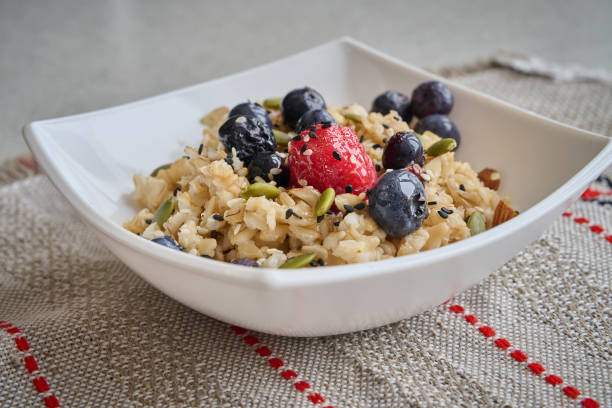
Oatmeal with blueberries + chia seeds
Lunch:
Turkey & avocado wrap (whole grain tortilla)
Snack:
Apple + almond butter
Dinner:
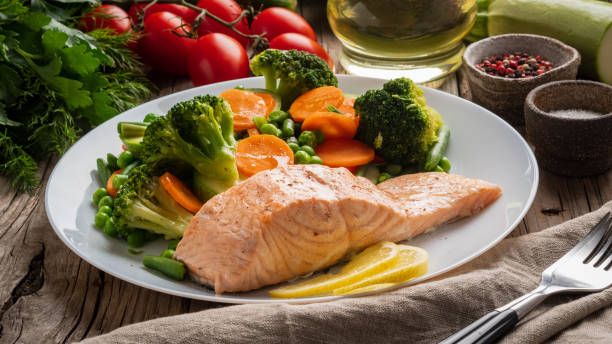
Salmon, steamed broccoli, brown rice
This day is intentionally simple because skipping meals or cutting carbs too hard can increase cortisol and trigger blood sugar crashes.
Day 2 – Anti-Inflammatory
Breakfast:
Greek yogurt + honey + pumpkin seeds
Lunch:
Quinoa bowl with spinach, chickpeas, cucumber
Snack:
Handful of walnuts
Dinner:
Chicken stir-fry with mixed vegetables
Day 3 – Blood Sugar Balance
Prevents cortisol spikes caused by energy crashes.
Breakfast:
Egg scramble with spinach & tomatoes
Lunch:
Tuna salad bowl with olive oil dressing
Snack:
Blueberries + almonds
Dinner:
Ground turkey chili (low-sodium)
📎 Read More:🧠 How Stress Leads to Belly Fat – And 5 Ways to Fix It Naturally
Day 4 – Gut-Calming Foods
Breakfast:
Warm lemon water + oatmeal
Lunch:
Brown rice bowl with sautéed veggies + tofu
Snack:
Chamomile tea + banana
Dinner:
Baked cod + asparagus + quinoa
Day 5 – Hormone Support
Breakfast:
Seed cycling smoothie
(flax + pumpkin + berries)
Lunch:
Turkey burger (no bun) + sweet potato
Snack:
Greek yogurt
Dinner:
Chicken & vegetable soup
Steady carbs and protein are important here because extreme low-carb or low-fat diets can raise cortisol, especially during hormonal changes.
📎 Read More:The Best Low-Impact Exercises for a “Cortisol Belly” (Backed by Science)
Day 6 – Stress Reduction Foods
Breakfast:
Avocado toast + egg
Lunch:
Mediterranean bowl (hummus, cucumbers, olives)
Snack:
Dark chocolate (70%+) — optional
Dinner:
Shrimp + wild rice + green beans
Day 7 – Gut + Cortisol Reset
Breakfast:
Warm water + oats + cinnamon
Lunch:
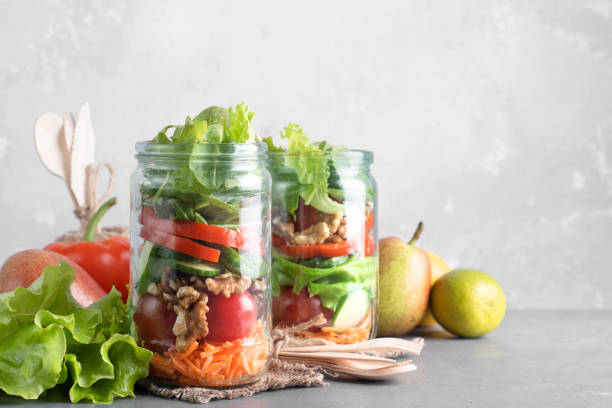
Chicken quinoa salad
Snack:
Green smoothie (spinach + banana + flax)
Dinner:
Grilled salmon + roasted veggies
📎 Read More:Cold Flashes During Perimenopause: Why You Get Chills (Not Heat)
Grocery List (1-Week US Budget-Friendly)
Proteins:
- Chicken breast
- Salmon or cod
- Turkey
- Tuna
- Eggs
- Tofu
Carbs:
- Oats
- Quinoa
- Brown rice
- Sweet potatoes
Healthy Fats:
- Avocado
- Olive oil
- Almonds, walnuts
- Chia, flax, pumpkin seeds
Produce:
- Spinach
- Broccoli
- Blueberries
- Tomatoes
- Cucumbers
- Banana
- Mixed vegetables
Meal Timing That Lowers Cortisol
- Breakfast within 60–90 mins of waking
- Avoid caffeine on an empty stomach
- 3 structured meals + 1 protein snack
- Stop eating 2–3 hours before sleep
This routine helps keep cortisol steady instead of spiking throughout the day.
📎 Read More:5 Science-Backed Drinks That Lower Cortisol (Besides Water)
Bonus Tip
Drink lemon balm tea or chamomile before bed — helps lower nighttime cortisol and improves sleep.
FAQs
1. What foods burn cortisol belly fat?
Protein-rich breakfasts, high-fiber carbs, leafy greens, salmon, seeds, and low-sugar snacks.
2. How long until I see results?
Most people feel better in 3–7 days, belly shape starts improving within 2–4 weeks.
3. Does coffee increase cortisol?
Yes — especially when taken without food.This effect is more noticeable during periods of stress or poor sleep.
4. Should I avoid carbs?
No. Balanced carbs (oats, quinoa, sweet potato) stabilize cortisol.
5. Is this diet safe for women over 35 / perimenopause?
Yes. This plan focuses on stabilizing blood sugar and lowering stress hormones, which is especially helpful during hormonal changes.
This printable guide includes the same meals explained above and is meant as a simple offline reference.
👉 Download the FREE 7-Day Cortisol Belly Diet Plan (Printable PDF)
(Easy meals • Grocery list • Beginner-friendly)
📌 Related Posts You’ll Love
📎 Read More:The Cortisol Belly Diet: 7 Foods That Lower Cortisol Naturally
📎 Read More:🧠 How Stress Leads to Belly Fat – And 5 Ways to Fix It Naturally
📎 Read More:The Best Low-Impact Exercises for a “Cortisol Belly” (Backed by Science)
Disclaimer:
This article is for informational and educational purposes only. It is not medical advice and should not be used to diagnose or treat any condition. Always talk to your doctor, primary care physician, or a qualified healthcare professional before making changes to your diet, supplements, or hormone-related treatments. If you have severe or persistent symptoms, seek medical help immediately.