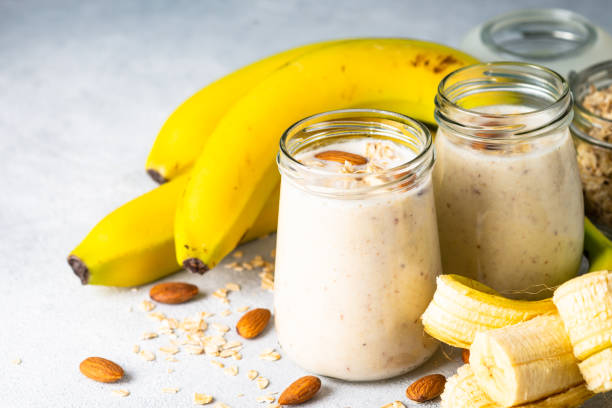
A lot of foods that look “healthy” on paper can actually spike your blood sugar fast — especially if you struggle with insulin resistance, stress, belly fat, cravings, or afternoon crashes.
Even foods like oatmeal, bananas, yogurt, smoothies, and fruit bowls can cause major glucose spikes in many Americans.
Here’s why it happens — and how to eat these foods without messing up your energy or metabolism.
What a Blood Sugar Spike Actually Means
A spike happens when:
- Your blood glucose rises too quickly after eating
- Insulin shoots up
- Energy crashes follow
- Fat storage increases
Even “clean eaters” in the US experience this because food combinations matter more than food labels.
Foods That Look Healthy But Spike Blood Sugar
Let’s break down the most common ones.
1. Oatmeal
Oatmeal is marketed as a heart-healthy superfood, but:
- Instant oats digest too fast
- Steel-cut oats can still spike glucose when eaten alone
- Many Americans add sugar, honey, or fruit → bigger spikes
Symptoms after oatmeal:
- Hunger after 1–2 hours
- Cravings
- Afternoon crash
Fix:
Add protein + healthy fat.
Examples: eggs, Greek yogurt, chia seeds, almond butter.
2. Bananas
Bananas = high in natural sugar (fructose + glucose).
A ripe banana spikes faster than:
- Two slices of white bread
- A candy bar in some cases
Most people eat bananas alone → big spike.
Fix:
Pair with:
- Peanut butter
- Protein shake
- Greek yogurt
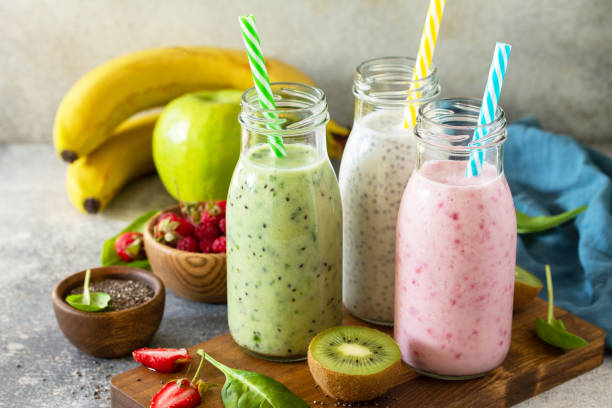
3. Smoothies
Smoothies spike blood sugar because:
- Fruit blends = liquid sugar
- Fiber breaks down
- Drinking is faster than chewing
Even “healthy green smoothies” spike if they’re fruit-heavy.
Fix:
Make a balanced smoothie:
- 20–25g protein
- 1 fruit
- Greens
- Chia/hemp seeds

4. Low-Fat Yogurt
Low-fat = more sugar added.
Many store yogurts have:
- 18–30g sugar
- Fruit syrups
- Artificial sweeteners (which spike insulin too)
Fix:
Choose plain Greek yogurt + berries + nuts.
5. Rice Cakes
Marketed as “diet snacks” but:
- Very high glycemic index
- No protein
- No fat
- Spike insulin fast
Fix:
Add:
- Almond butter
- Turkey slices
- Avocado
6. Granola Bars / Protein Bars
Most bars contain:
- Honey
- Dates
- Syrups
- Chocolate
- Oats
This = candy bar disguised as health food.
7. Fruit Bowls & Acai Bowls
These are extremely popular in the US — but:
- Too much fruit
- No protein
- Added granola
- Syrups and honey
Fix:
Add:
- Greek yogurt
- Protein powder
- Nuts
Why These “Healthy Foods” Hit Harder Than You Think
1. Food combos matter
Fruit + carbs without protein = spike.
2. Stress and poor sleep increase spikes
Cortisol makes your body less sensitive to insulin.
3. Liquid calories spike faster
Smoothies > fruit.
4. Eating them on an empty stomach makes it worse
Especially in the morning.
How to Eat These Foods Without Spiking Blood Sugar
1. Add protein (20–30g)
Protein slows glucose release.
2. Add fiber
Chia, flax, berries = better glucose control.
3. Add fat
Avocado, nuts, seeds slow digestion.
4. Eat carbs after protein
This is the “Glucose Goddess Method.”
5. Walk 10 minutes after carbs
Scientifically proven to reduce spikes.
Who Gets Spikes More Easily?
- Women 30–55
- People with belly fat
- People with high stress
- Thyroid issues
- Insulin resistance
- Poor sleepers
If you fit 2–3 of these → food spikes hit harder.
FAQs
Q1: Is oatmeal unhealthy?
No, but it spikes blood sugar if eaten alone.
Q2: Can I still eat bananas?
Yes — just pair with protein or healthy fats.
Q3: Are smoothies bad?
Not if balanced with protein + fiber.
⭐ Related Articles links
- Does Diet Soda Cause Belly Fat?
- Gut Health and Belly Fat – What’s the Real Connection?
- Does Magnesium Help You Lose Belly Fat?
- Why Belly Fat Is So Hard to Lose
- The Cortisol Belly Diet: 7 Foods That Lower Cortisol Naturally
Disclaimer:
This article is for informational purposes only and is not medical advice. Always consult a qualified healthcare provider before making changes to your diet, supplements, or lifestyle, especially if you have underlying health conditions.