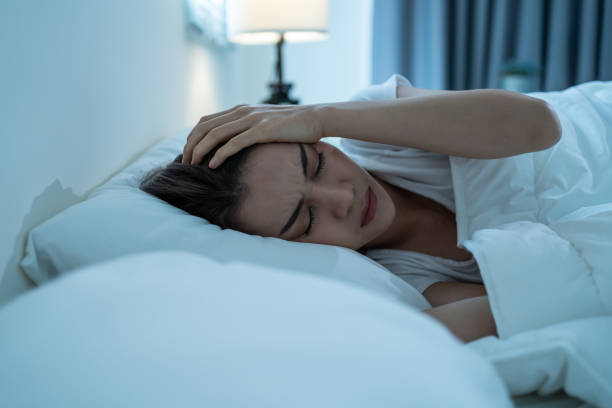
If you wake up tired, bloated, foggy, or craving sugar — even after a full night’s sleep — your nighttime breathing might be affecting your metabolism.
Sleep apnea and heavy snoring don’t just interrupt sleep.
They also increase belly fat, cortisol, cravings, inflammation, and insulin resistance.
Here’s the US-friendly guide to understanding how breathing at night affects your belly fat and overall metabolic health.
⭐ What Is Sleep Apnea? (Simple Explanation)
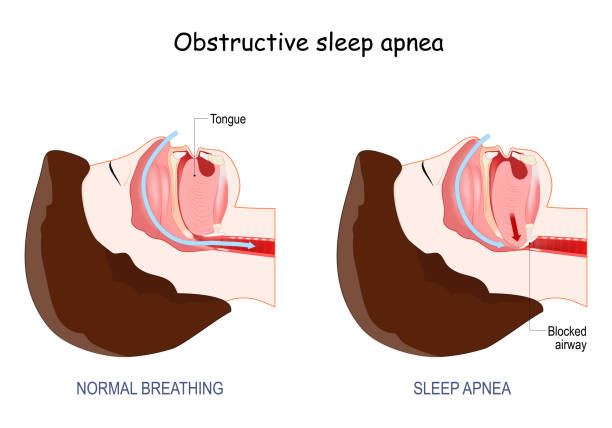
Sleep apnea is when your breathing stops multiple times during sleep.
This causes:
- Lower oxygen levels
- High stress hormones
- Poor-quality sleep
- Slow metabolism
- More belly fat
Most people don’t even know they have it.
⭐ Signs You May Have Sleep Apnea (But Don’t Realize)
You don’t need to snore loudly to have it.
Watch for these signs:
- Waking up tired after 7–8 hours
- Loud snoring or choking sounds
- Dry mouth in the morning
- Morning headaches
- Waking up at 2–4 AM
- Cravings next day
- Falling asleep during the day
- Difficulty losing belly fat
- Feeling groggy or foggy
If you have belly fat + snoring → risk increases.
⭐ How Sleep Apnea Causes Belly Fat
Sleep apnea increases belly fat through four mechanisms:
1. Elevated Nighttime Cortisol
When breathing stops, your body panics → cortisol spikes.
High cortisol at night leads to:
- Belly fat
- Water retention
- High morning blood sugar
- Inflammation
2. Insulin Resistance
Your body becomes less sensitive to insulin because of:
- Poor sleep
- Low oxygen
- Stress hormones
This leads to:
- Cravings
- Belly fat storage
- Slow metabolism
3. Slowed Metabolism
Sleep apnea reduces:
- Thyroid function
- Muscle recovery
- Calorie burning
- Fat oxidation
This is why people with untreated apnea gain fat fast, especially around the stomach.
4. Poor Hunger Hormone Balance
Low-quality sleep disrupts:
- Ghrelin (hunger hormone)
- Leptin (fullness hormone)
Result:
- Bigger appetite the next day
- Craving carbs, sugar, snacks
- Late-night eating
⭐ Why Snoring Alone Can Be a Metabolism Problem
Even if you don’t have sleep apnea, snoring reduces airflow.
This leads to:
- Low oxygen
- More cortisol
- Less deep sleep
- Higher inflammation
- Slower metabolism
Heavy snoring + belly fat = high metabolic risk.
⭐ How to Improve Sleep & Reduce Belly Fat (Tips)
1. Fix Your Sleep Position
Best position:
👉 Side sleeping
Worst:
👉 Back sleeping (increases airway collapse)
2. Lose 5–10% Body Fat (Even Slightly)
Even small fat loss reduces airway pressure and massively improves sleep apnea.
3. Avoid High-Carb Meals at Night
Carbs + late dinner =
- More snoring
- More bloating
- Higher nighttime cortisol
Choose:
- Protein
- Veggies
- Healthy fats
4. No Alcohol Before Bed
Alcohol relaxes throat muscles → more snoring → worse breathing.
5. Magnesium Glycinate at Night
Helps:
- Relax muscles
- Improve sleep quality
- Reduce nighttime cortisol
6. 10-Min Evening Walk
Reduces blood sugar → less inflammation → calmer nervous system.

7. See a Sleep Doctor if Symptoms Are Strong
They may recommend:
- A sleep test
- CPAP
- Mouth device
- Nasal support
Even minor treatment gives BIG improvement.
⭐ When to Worry
See a doctor if you have:
- Loud nightly snoring
- Choking or gasping at night
- Daily fatigue
- High blood pressure
- Severe belly fat
- Morning headaches
These are classic apnea signs.
⭐ FAQs
Q1: Does losing weight help sleep apnea?
Yes — even 5–10% weight loss improves airway function.
Q2: Can thin people have sleep apnea?
Yes — jaw shape, allergies, or nasal issues can cause it.
Q3: Is snoring always sleep apnea?
No, but it increases your risk and slows metabolism.
⭐ Related Articles links
- Why Is Belly Fat So Hard to Lose?
- How Stress Leads to Belly Fat
- Gut Health and Belly Fat – What’s the Real Connection?
- Does Magnesium Help You Lose Belly Fat?
- The Cortisol Belly Diet: 7 Foods That Lower Cortisol Naturally
Disclaimer:
This article is for informational purposes only and is not medical advice. Always consult a qualified healthcare provider before making changes to your diet, supplements, or lifestyle, especially if you have underlying health conditions.