If you’re doing cardio daily but still have belly fat, bloating, cravings, stress weight, or hormonal imbalance, the problem isn’t your effort —
it’s your workout type.
A hormonal belly comes from:
- High cortisol
- Low muscle mass
- Insulin resistance
- Poor sleep
- Slow metabolism
Strength training is the fastest way to target all of these.
Let’s break down why and how to train for a hormonal belly.
⭐ What Is a “Hormonal Belly”?
A hormonal belly looks like:
- Lower belly pouch
- Inflamed or puffy midsection
- Cortisol “band” around the waist
- Belly fat + love handles
- Weight gain despite eating healthy
This belly is linked to:
- High cortisol
- Low muscle mass
- Blood sugar swings
- Stress
- Sleep issues
Strength training directly fixes these.
⭐ Why Strength Training Works Better Than Cardio
Strength training improves the three major hormones that control belly fat:
1. Lowers Cortisol Naturally
Unlike long cardio sessions (which raise cortisol),
strength training reduces stress hormones and improves your cortisol rhythm.
Lower cortisol → less belly fat storage.
2. Increases Muscle → Increases Metabolism
More muscle =
- More calories burned at rest
- Lower belly fat
- Better insulin sensitivity
- Fewer cravings
- Better energy
This is the #1 reason strength training is essential after age 25–30.
3. Improves Insulin Sensitivity
When muscle increases → your body handles sugar better.
This reduces:
- Sugar cravings
- Fat storage
- Evening bloating
- Afternoon crashes
A MUST for hormonal belly.
4. Fixes the Cortisol–Blood Sugar Cycle
Strength workouts regulate:
- Cortisol curve
- Blood sugar
- Hunger hormones (ghrelin, leptin)
This means:
- Better sleep
- Stable energy
- Less belly inflammation
⭐ Signs Strength Training Will Help You
If you have:
- Stubborn belly fat
- PMS bloating
- Cravings
- Stress
- Slow metabolism
- Low energy
- Thin arms/legs but belly fat
Strength training is exactly what you need.
⭐ Best Strength Exercises for Hormonal Belly
Focus on compound movements (big muscle groups):
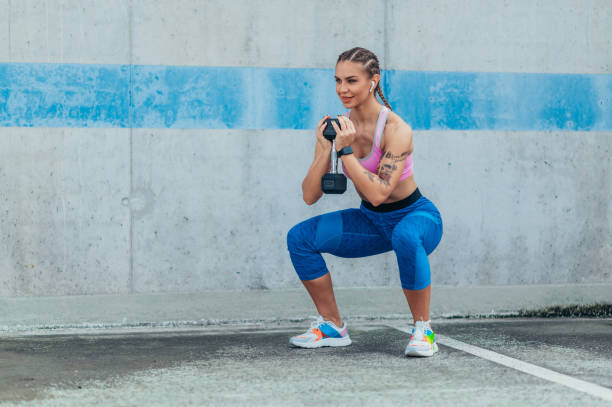
1. Squats
Boost lower-body strength + metabolism.
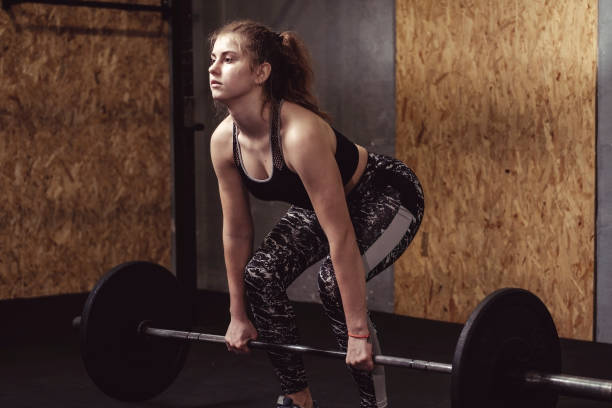
2. Deadlifts (light-to-moderate)
Amazing for hormones + glutes + posture.
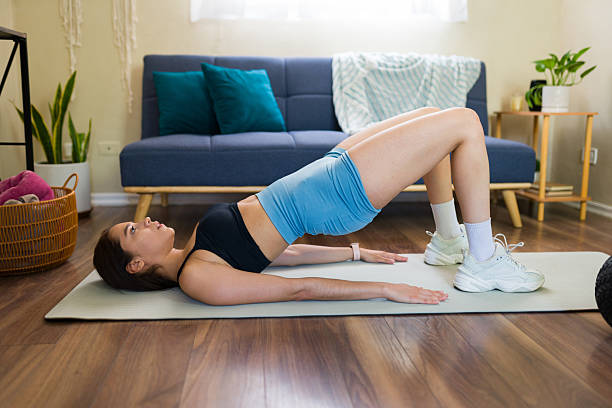
3. Hip Thrusts / Glute Bridges
Improve insulin sensitivity.
4. Dumbbell Shoulder Press
Boosts upper-body strength + metabolism.
5. Rows (dumbbell or cable)
Reduces back tension + improves posture.
6. Chest Press (floor or bench)
Works large muscle groups → more calorie burn.
⭐ How Many Days to Train?
For fastest belly results:
👉 3 days per week (20–30 mins each)
👉 Full-body routine
👉 Light to moderate weights
👉 Progressive overload (small weekly increases)
No need for heavy lifting.
⭐ Best Weekly Strength Routine (Hormonal Belly)
Day 1: Squats + Rows + Glute Bridges
Day 2: Lunges + Shoulder Press + Hip Thrusts
Day 3: Deadlifts + Chest Press + Core Stability (bird dog or dead bug)
This combination targets:
- Belly fat
- Hormones
- Core
- Lower body
- Insulin resistance
⭐ What to Avoid
❌ Long cardio sessions (increase cortisol)
❌ No-protein breakfast
❌ Training with no rest days
❌ High-intensity workouts every day
❌ Under-eating
⭐ Best Time to Strength Train
👉 Late morning (best for cortisol)
👉 OR early evening (best for strength)
Avoid:
- Fasted HIIT
- Late-night intense workouts
⭐ FAQs
Q1: Can strength training reduce lower belly fat?
Yes — it reduces cortisol + insulin resistance + increases muscle.
Q2: Do I need heavy weights?
No — even 5–15 lb dumbbells work.
Q3: Can beginners do this?
Yes — this routine is beginner-friendly.
⭐ Related Articles links
- Why Is Belly Fat So Hard to Lose?
- How Stress Leads to Belly Fat
- The Cortisol Belly Diet: 7 Foods That Lower Cortisol Naturally
- Does Magnesium Help You Lose Belly Fat?
- Gut Health and Belly Fat – What’s the Real Connection?
Disclaimer:
This article is for informational purposes only and is not medical advice. Always consult a qualified healthcare provider before making changes to your diet, supplements, or lifestyle, especially if you have underlying health conditions.