If you have hypothyroidism, Hashimoto’s, slow metabolism, stubborn belly fat, or bloating — your gut health may be a major reason you’re not feeling better.
Most Americans don’t realize the thyroid and gut are deeply connected.
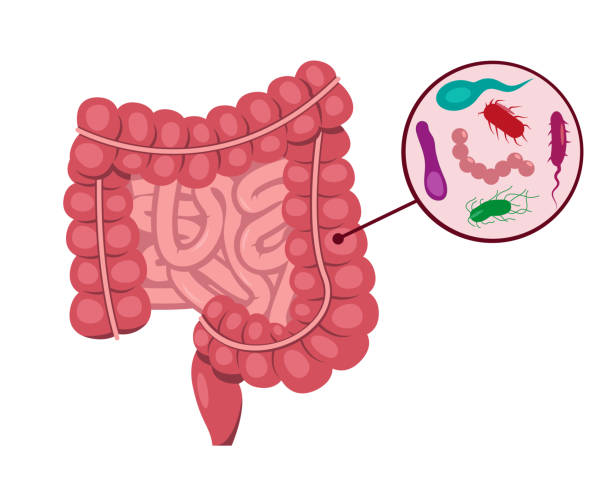
When your gut bacteria are imbalanced (gut dysbiosis), your thyroid hormones cannot work properly — even if your lab tests look “normal.”
Here’s the simple friendly guide to how gut dysbiosis affects hypothyroidism, energy, belly fat, and metabolism.
⭐ What Is Gut Dysbiosis? (Simple Explanation)
Gut dysbiosis = imbalance of good vs bad bacteria in your intestines.
This leads to:
- Bloating
- Constipation
- Gas
- Food intolerance
- Inflammation
- Slow digestion
And for people with hypothyroidism, symptoms get MUCH worse.
⭐ How Gut Dysbiosis Affects Hypothyroidism
Here are the 5 biggest connections:
1. Poor Conversion of T4 → T3
Your gut converts 20–30% of thyroid hormone (T4) into active T3.
If your gut bacteria are unhealthy:
- T3 drops
- Metabolism slows
- Belly fat increases
- Energy crashes
Even if your thyroid pill is correct — your gut determines how much of it actually works.
2. Leaky Gut Worsens Autoimmune Thyroid (Hashimoto’s)
When the gut lining becomes weak:
- Undigested particles leak
- Immune system overreacts
- Autoimmune flare-ups increase
This makes Hashimoto’s symptoms stronger:
- Fatigue
- Weight gain
- Brain fog
- PMS
- Bloating
3. Dysbiosis Causes Constipation → Increases Estrogen
Constipation causes estrogen to be reabsorbed instead of removed.
High estrogen =
👉 Hormonal belly
👉 Slow thyroid
👉 Water retention
👉 Mood swings
This is the estrogen–thyroid–gut triangle.

4. Low Stomach Acid = Poor Nutrient Absorption
Most hypothyroid people have low stomach acid, leading to:
- Bloating
- Protein malabsorption
- Low iron
- Low B12
- Slow metabolism
This worsens gut imbalance and thyroid function.
5. Gut Inflammation Raises Cortisol
Gut irritation → stress response → higher cortisol.
High cortisol =
- Belly fat
- Anxiety
- Fatigue
- Afternoon crashes
- Poor sleep
⭐ Signs You Have Gut Dysbiosis + Hypothyroidism Together
If you say “yes” to 3+ of these — this post fits you:
- Bloating (morning or night)
- Constipation
- Gas after meals
- Slow digestion
- Fatigue
- Brain fog
- PMS or irregular cycles
- Stubborn belly fat
- Feeling “inflamed”
- Food intolerances (dairy/gluten)
⭐ How to Improve Gut Dysbiosis
1. Add More Fermented Foods
- Greek yogurt
- Kefir
- Sauerkraut
- Kimchi
Helps rebuild good bacteria.
2. Eat 25–30g Fiber Per Day
Fiber feeds healthy gut bacteria.
Easy options:
- Oats
- Berries
- Chia seeds
- Veggies
- Beans
3. Fix Constipation First
Try:
- Warm lemon water
- Magnesium glycinate
- 10-minute walk after meals
- More hydration
4. Add Zinc & Selenium Rich Foods
Crucial for thyroid:
- Brazil nuts
- Eggs
- Seafood
5. Avoid Late-Night Heavy Meals
Helps reduce morning bloating.
6. Try Low-Inflammation Eating
Avoid:
- Excess sugar
- Fried foods
- Too much gluten (for Hashimoto’s)
7. Consider Probiotics (If Needed)
Look for blends with:
- Bifidobacterium
- Lactobacillus
⭐ When to See a Doctor
If you have:
- Persistent bloating
- Unexplained weight gain
- New digestive issues
- Severe constipation
- Family history of thyroid issues
You may need:
- Thyroid panel (TSH, Free T4, Free T3)
- Thyroid antibodies
- Gut testing (SIBO test, stool test)
⭐ FAQs
Q1: Can fixing gut dysbiosis improve thyroid symptoms?
Yes — many people see better metabolism, digestion, and energy.
Q2: Do probiotics help hypothyroidism?
Yes, especially if dysbiosis is present.
Q3: Can gut issues cause weight gain?
Yes — inflammation and slow digestion increase belly fat.
Related Articles links
- Cortisol Crash in the Afternoon
- The Cortisol Belly Diet: 7 Foods That Lower Cortisol Naturally
- Strength Training for Hormonal Belly
- Hormone-Friendly Pre-Workouts
Disclaimer:
This article is for informational purposes only and is not medical advice. Always consult a qualified healthcare provider before making changes to your diet, supplements, or lifestyle, especially if you have underlying health conditions.