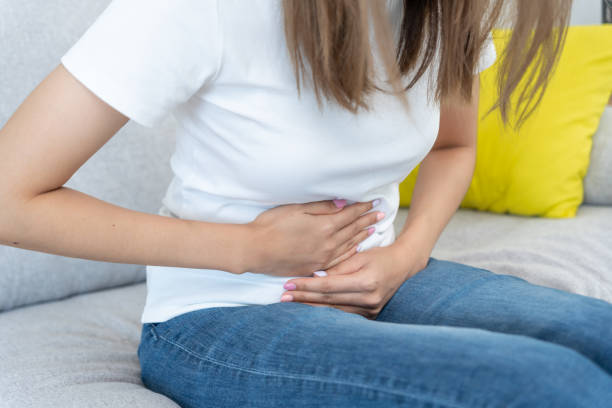
If you have Hashimoto’s, chances are you also struggle with:
- Bloating
- Digestive issues
- Fatigue
- Brain fog
- Stubborn belly fat
- Food intolerances
- Constipation
That’s because Hashimoto’s — an autoimmune thyroid condition — is strongly connected to gut inflammation.
In fact, up to 80% of your immune system lives in the gut, which means gut irritation = thyroid irritation.
Let’s break it down in a simple way.
⭐ What Is Gut Inflammation? (Simple Explanation)
Gut inflammation happens when the gut lining becomes irritated due to:
- Stress
- Food intolerance
- Poor diet
- Gut dysbiosis
- Infection
- Low stomach acid
This leads to:
👉 Bloating
👉 Gas
👉 Constipation
👉 Sensitivity to foods
👉 Fatigue
And for people with Hashimoto’s, it triggers more autoimmune flare-ups.
⭐ How Gut Inflammation Makes Hashimoto’s Worse
These are the 5 biggest reasons:
1. Leaky Gut Triggers Autoimmune Flares
When the gut lining becomes “leaky,” unwanted particles enter the bloodstream.
Your immune system reacts → Hashimoto’s flare.
This causes:
- Bloating
- Fatigue
- Brain fog
- Joint pain
- Thyroid swelling
2. Poor T4 → T3 Conversion
Your gut helps convert thyroid hormone into active T3.
Gut inflammation weakens this → slow metabolism.
This leads to:
- Weight gain
- Cold hands
- Depression
- Low energy
3. Constipation Recirculates Estrogen
Constipation causes estrogen buildup → hormonal belly + PMS.
4. Low Stomach Acid Worsens Digestion
Hashimoto’s commonly lowers stomach acid which causes:
- Bloating
- Food sitting heavy
- Nutrient deficiencies (iron, zinc, B12)
- More gut irritation
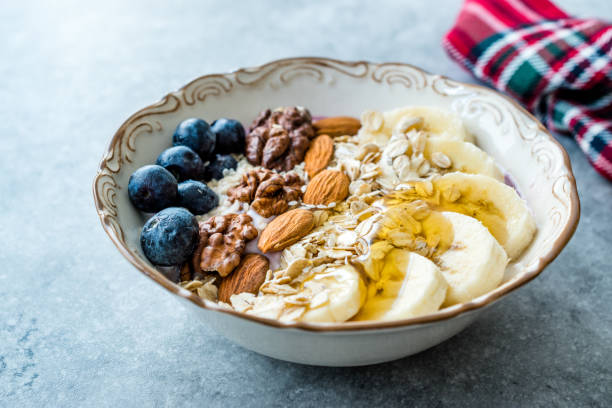
5. Stress + Inflammation Raise Cortisol
High cortisol =
- Belly fat
- Afternoon crashes
- Poor sleep
- Anxiety
Hashimoto’s patients feel this twice as strong.
⭐ Symptoms of Gut Inflammation in Hashimoto’s
You might have both conditions if you notice:
- Bloating (morning or after meals)
- Constipation or irregular bowel movements
- Fatigue that doesn’t improve
- Puffy face
- Brain fog
- Cravings
- PMS or hormonal swings
- Gas / indigestion
- Food sensitivities
- Stubborn belly fat
- Sluggish metabolism
These are classic gut–thyroid signs.
⭐ How to Reduce Gut Inflammation
These natural steps reduce gut irritation and calm Hashimoto’s flares.
1. Add More Anti-Inflammatory Foods
- Berries
- Greek yogurt
- Avocado
- Leafy greens
- Olive oil
- Oats
- Chia seeds
2. Remove Common Trigger Foods for 2 Weeks
Especially:
- Gluten
- Dairy
- Fried food
- Highly processed snacks
Many Hashimoto’s patients instantly feel relief.
3. Fix Constipation
Try:
- Magnesium glycinate
- More water
- 10-minute walk after meals
- Fiber from fruits + veggies

4. Improve Stomach Acid Naturally
- Lemon water
- Apple cider vinegar (½ tsp)
- Protein-rich breakfast
- No heavy late-night meals
5. Reduce Cortisol
- Delay coffee 60–90 minutes
- No caffeine after 2 PM
- Sleep 7–8 hours
- Spend time outdoors
6. Strength Training
2–3x a week helps:
- Lower inflammation
- Improve insulin sensitivity
- Support metabolism
⭐ When to See a Doctor
If you have:
- Rapid weight changes
- Increasing fatigue
- Ongoing bloating
- New food sensitivities
- Hair loss
- Severe constipation
Ask for:
- Thyroid panel
- Thyroid antibodies
- Gut testing (SIBO / stool test)
Related Articles links
- Gut Health and Belly Fat
- Why Belly Fat Is So Hard to Lose
- Does Magnesium Help You Lose Belly Fat?
- Waking Up Bloated But Going to Bed Flat
- Thyroid–Microbiome Imbalance Symptoms
- Metabolic Hypothyroidism
- Cortisol Crash in the Afternoon
- Strength Training for Hormonal Belly
⚠️ DISCLAIMER
This article is for educational purposes only and not medical advice. For diagnosis or treatment, consult a licensed healthcare professional.