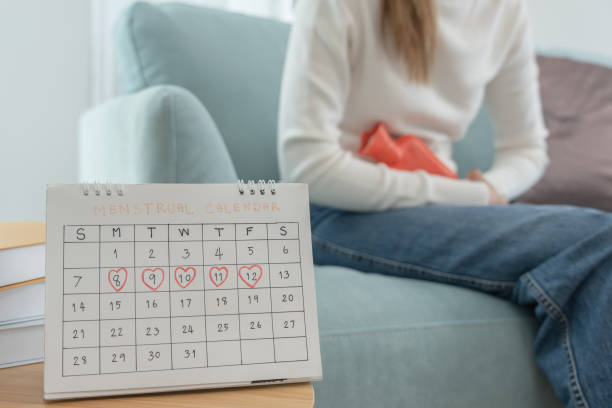
When you stop birth control pills, your body enters a post-pill hormone reset.
For some women, this transition is smooth.
For others, it brings surprising symptoms:
- Irregular periods
- PMS swings
- Breakouts
- Mood shifts
- Fatigue
- Bloating
- Anxiety
This does NOT mean something is wrong — it’s your endocrine system waking up again after years of suppression.
Here’s a simple, science-backed guide to support your post-pill hormone reset.
⭐ What Happens to Your Hormones After Stopping the Pill
The pill works by shutting down ovulation.
When you stop taking it, your body must:
- Restart ovulation
- Rebuild natural estrogen & progesterone rhythms
- Re-stabilize cortisol & insulin
- Reset your cycle timing
This adjustment phase lasts 2–6 months for most women.
⭐ Common Post-Pill Symptoms (Normal & Temporary)
- Irregular or delayed period return
- Pimples or skin changes
- Hair shedding (temporary)
- Anxiety or irritability
- Breast tenderness
- Mid-cycle cramping
- Spotting
- Changes in appetite
- Fatigue
These symptoms improve as hormones balance again.
⭐ Why Symptoms Happen After Stopping the Pill
1. Progesterone Starts Low
You don’t make progesterone without ovulation — and ovulation takes time to restart.
Low progesterone →
- Anxiety spikes
- Light sleep
- Mood swings
- PMS irritability
📎 Read More: Progesterone Crash Anxiety in Your Late 30s**
2. Estrogen Rebounds
The pill keeps estrogen artificially steady.
When you stop, estrogen may swing:
- High → bloating, breast tenderness
- Low → fatigue, headaches
📎 Read More: The Estrogen Window for Metabolism & Brain Health

3. Increased Cortisol Sensitivity
Without synthetic hormones flattening your cycle, your natural stress rhythms return — sometimes abruptly.
This can trigger:
- 3 AM waking
- Nervous system tension
- “On edge” feeling
📎 Read More: 3 AM Cortisol Spike
4. Blood Sugar Response Changes
Birth control can affect insulin sensitivity.
After stopping, your body re-adjusts, which may temporarily increase:
- Cravings
- Afternoon crashes
- Mood swings
📎 Read More: Healthy Foods That Spike Blood Sugar
5. Gut + Liver Need Time to Rebalance
The pill impacts gut flora and liver hormone processing.
Post-pill →
- Slower estrogen clearance
- More bloating
- More inflammation
📎 Read More: Gut Health and Belly Fat
⭐ How to Support a Smooth Post-Pill Hormone Reset
1. Prioritize Protein
Protein stabilizes blood sugar and supports hormone production.
Aim for:
- 25–30g at breakfast
- 90–120g daily
📎 Read More: Protein Timing for Hormone Balance
2. Support Ovulation with Key Nutrients
Helpful for cycle recovery:
- Vitamin B6
- Magnesium glycinate
- Omega-3s
- Zinc
- Folate
- Selenium
These support progesterone and healthy egg development.
3. Use Seed Cycling for Estrogen + Progesterone Balance
This helps your body establish a natural rhythm.
- Flax + pumpkin (days 1–14)
- Sesame + sunflower (days 15–28)
📎 Read More: Seed Cycling Beginner Guide
4. Improve Gut Health
Gut imbalance can worsen post-pill symptoms.
- Fiber
- Fermented foods
- Bone broth
- Probiotic-rich foods
📎 Read More: The Gut–Hormone Connection
5. Regulate Cortisol Through Lifestyle
Hormone balancing tools:
- Walking after meals
- Zone 2 cardio
- Early sunlight
- Light strength training
📎 Read More: Zone 2 Cardio & Metabolic Health

6. Sleep Routine Reset
Sleep quality often dips post-pill.
Try:
- Cooler bedroom
- No screens 1 hour before bed
- Magnesium at night
- Consistent sleep timing
📎 Read More: Hot Flash Management Without HRT
⭐ Bonus Tip: Track Your Cycle
Tracking helps you notice:
- Ovulation returning
- PMS timing
- Skin changes
- Mood patterns
Your cycle is a monthly hormone report card.
⚠️ Medical Disclaimer
This article is for educational purposes only and not medical advice. Always consult a licensed healthcare provider for persistent post-pill symptoms or cycle issues.