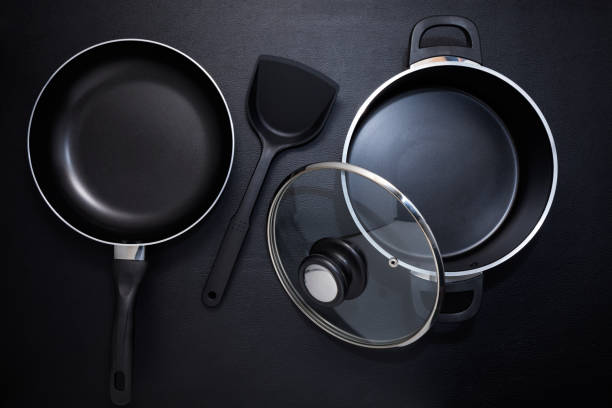
PFAS — also known as “forever chemicals” — are hidden in thousands of household items.
But one place women are most exposed?
The kitchen.
PFAS disrupt hormones, increase inflammation, weaken metabolism, and are linked to fertility issues, thyroid dysfunction, belly fat accumulation, and chronic fatigue.
Here’s a simple, clear guide to understanding PFAS in kitchen items, how they affect your body, and how to reduce exposure the smart way.
⭐ What Are PFAS? (Simple Explanation)
PFAS = Per- and Polyfluoroalkyl Substances
These man-made chemicals are designed to resist heat, grease, and water.
That’s why they show up in:
- Nonstick cookware
- Food packaging
- Storage containers
- Kitchen tools
- Water filters
- Bakeware
They don’t break down → they accumulate in the body → they disrupt hormones.
⭐ How PFAS Affect Hormones & Metabolism
1. Thyroid Hormone Disruption
PFAS interfere with T3 and T4 hormones.
Low thyroid output →
- Slower metabolism
- Fatigue
- Weight gain
- Cold sensitivity
📎 Read More: Metabolic Hypothyroidism
2. Increased Belly Fat Storage
PFAS are linked to stubborn abdominal fat because they affect:
- Insulin sensitivity
- Cortisol balance
- Estrogen metabolism
📎 Read More: Why Belly Fat Is So Hard to Lose
3. Estrogen Imbalance
PFAS act as endocrine disruptors.
This causes:
- PMS swings
- Irregular cycles
- Mood shifts
- Bloating
- Breast tenderness
📎 Read More: The Estrogen Window for Metabolism & Brain Health
4. Higher Inflammation
PFAS increase inflammatory markers, worsening:
- Joint pain
- Gut problems
- Bloating
- Fatigue
📎 Read More: Gut Health and Belly Fat
⭐ Where PFAS Hide in Your Everyday Kitchen
1. Nonstick Cookware (Teflon & PTFE)
If your pan says:
- Nonstick
- PTFE
- PFOA-free but still “nonstick”
…it still most likely contains PFAS.
Signs:
- Pan flakes
- Scratches
- Chemical odor when heating
2. Microwave Popcorn Bags
The inner grease-proof lining is PFAS-coated.
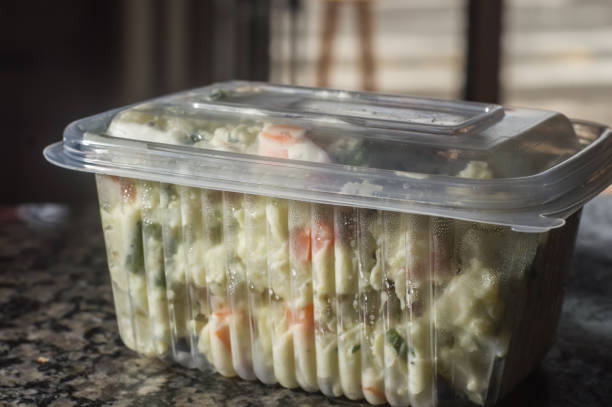
3. Takeout Containers & Fast-Food Wrappers
Anything grease-proof = almost always PFAS.
4. Nonstick Baking Sheets & Muffin Trays
Even “ceramic coated” items can hide PFAS underneath.
5. Plastic Food Containers
Heat + plastic = PFAS + microplastics leaching into food.
6. Water Resistant Cutting Boards
Especially cheap composite boards.
⭐ Safer Swaps (PFAS-Free Options)
1. Switch to PFAS-Free Cookware
Use:
- Stainless steel
- Cast iron
- Carbon steel
- 100% ceramic (tested brands only)

2. Replace Plastic Containers
Choose:
- Glass
- Stainless steel
- Silicone (food grade)
3. Avoid Reheating in Plastic
Microwave-safe ≠ chemical-safe.
4. Upgrade Water Filtration
A simple activated carbon filter reduces many PFAS contaminants.
5. Use Uncoated Bakeware
Stainless steel or cast iron baking pans are safest.
⭐ How to Reduce PFAS Already in Your Body
- Hydrate well
- Increase fiber
- Eat cruciferous vegetables
- Support liver detox
- Sweat regularly
- Reduce processed food
📎 Read More: The Gut–Hormone Connection
⭐ Bonus: The 10-Second PFAS Test
If something is:
- Grease-proof
- Water-proof
- Stain-resistant
- Nonstick
Assume PFAS until proven otherwise.
⚠️ Health Disclaimer
This article is for educational purposes only. Consult a healthcare professional if you suspect chemical exposure or persistent hormonal symptoms.