When the vagus nerve is underactive, the body shifts into “fight-or-flight” mode — raising stress load, increasing tension, and disrupting sleep.
When the vagus nerve is stimulated, the body enters the rest-and-digest state, helping cortisol fall into a healthier rhythm.
These simple practices help the nervous system stay calmer, especially if you struggle with:
- Afternoon energy crashes
- Stress eating
- Night-time alertness
- Anxiety or tension
- Poor sleep quality
- High daily stress load
Here are the best vagus-nerve hacks to support calmer cortisol patterns.
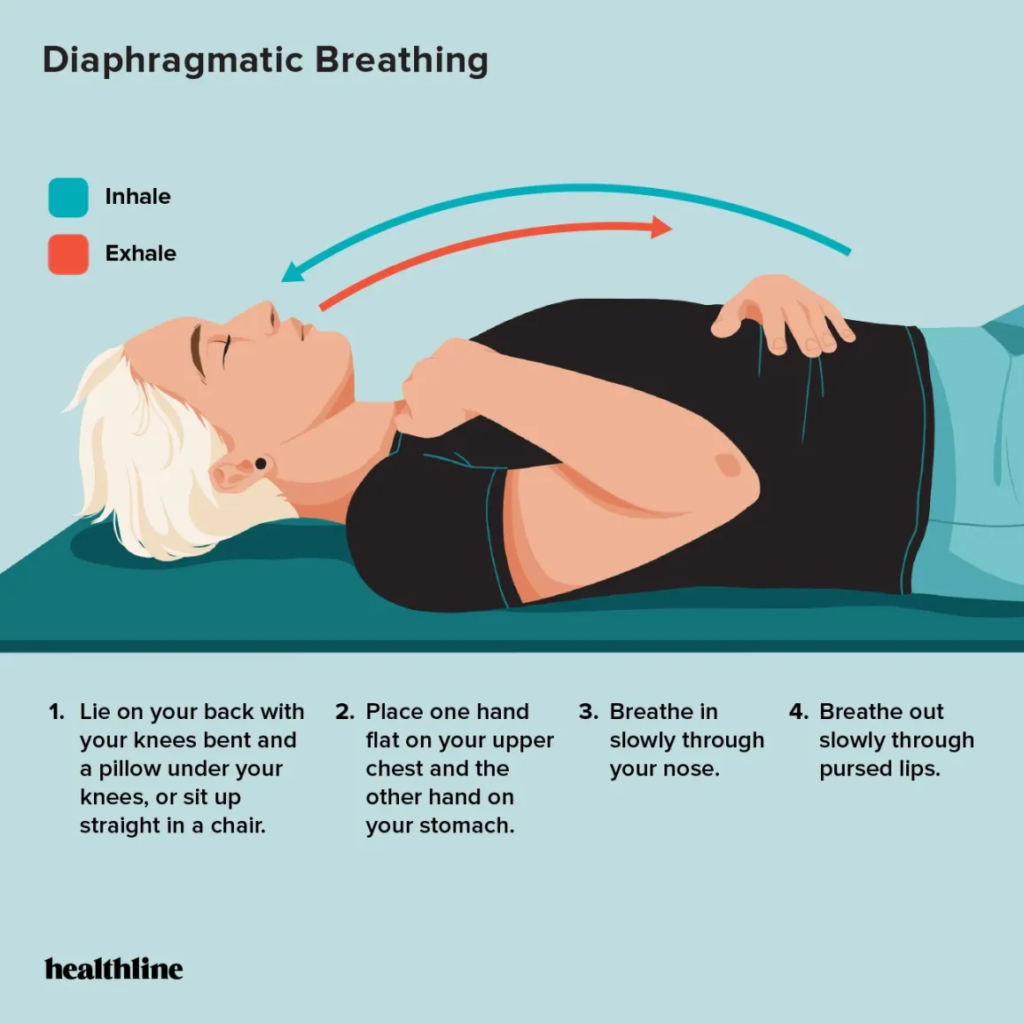
1. Slow Diaphragmatic Breathing
Deep belly breathing activates the vagus nerve quickly.
Try this:
4-2-6 breathing
- Inhale for 4
- Hold for 2
- Exhale for 6
Longer exhales = stronger vagus activation.
📎 Read More: 3 AM Cortisol Spike: Why You Wake Up & Can’t Sleep
2. Gargling or Humming (Daily)
The vagus nerve connects to muscles in the throat.
Gentle vibration stimulates the parasympathetic nervous system.
Try:
- Humming for 1–2 minutes
- Gargling with warm water
- Singing at low volume
These simple actions reduce tension and calm the stress system.
📎 Read More: EMF Exposure & Sleep–Cortisol Disruption
3. Cold Exposure (Face or Neck)
Cold activates the “diving reflex,” strongly stimulating the vagus nerve.
Options:
- Splashing cold water on face
- Ice pack on the side of neck
- Cold showers (30–45 sec)
📎 Read More: Cold Plunging for Women (Hormone-Safe Protocols)
📎 Read More: Wearable Metrics That Reveal Hormone Imbalance
4. Long Exhales While Walking
Walking with slow breathing improves:
- HRV
- Stress recovery
- Cortisol rhythm stability
Try matching steps to your breath:
Inhale 3 steps → Exhale 5 steps

5. Gentle Neck Stretches
The vagus nerve travels down the neck.
Loosening tension helps the nerve fire more smoothly.
Try:
- Slow neck rotations
- Ear-to-shoulder holds
- Chin tucks
📎 Read More: Frozen Shoulder & Joint Pain During Perimenopause
6. Gut Support for Vagus Nerve Health
The vagus nerve connects the gut and the brain.
If the gut is inflamed, the stress system becomes more reactive.
Helpful foods:
- Fermented foods (if tolerated)
- Soluble fiber
- Omega-3s
- Polyphenols
📎 Read More: The 7-Day Low-Histamine Reset Plan
⭐ BONUS :
📎 Read More: DAO Deficiency & Histamine Anxiety
📎 Read More: Gut Dysbiosis & Hypothyroidism
📎 Read More: Progesterone Crash Anxiety in Your Late 30s
📎 Read More: Urolithin A for Mitochondrial Repair
Health Disclaimer
These practices support the nervous system and overall wellness.
For cortisol disorders, chronic anxiety, or sleep issues, consult a licensed healthcare professional.