If you’re over 40 and suddenly dealing with itchy ears, you’re not imagining things.
Many women clean their ears repeatedly, worry about infections, or assume allergies — yet nothing shows up.
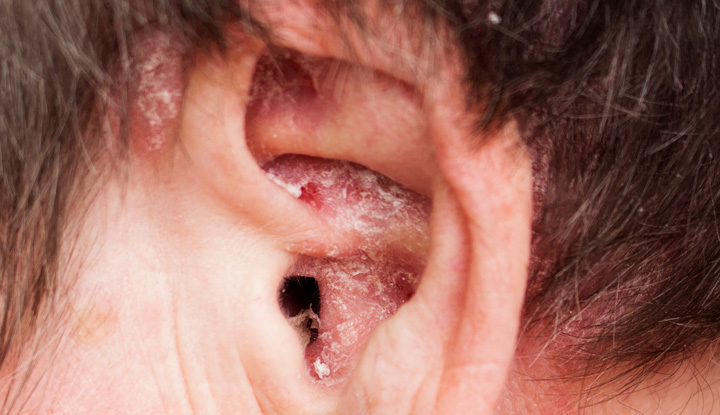
For a surprising number of women, itchy ears are a real perimenopause symptom.
As hormones fluctuate, especially estrogen, they affect skin hydration, histamine response, and nerve sensitivity, which can trigger itching in unexpected places — including the ears.
Why Perimenopause Causes Itchy Ears
Hormones influence much more than periods. During perimenopause:
1. Estrogen Drops → Dry, Sensitive Skin
Estrogen supports collagen, skin thickness, and natural oil production.
When levels fall, the skin inside and around the ears becomes drier and more fragile, making itching more likely.
2. Cortisol Increases Sensation
Stress hormones heighten nerve sensitivity.
This makes mild irritation feel intense — especially at night.
📎 Read More: 3 AM Cortisol Spike: Why You Wake Up & Can’t Sleep
The DAO–Histamine Connection (Critical but Overlooked)
Estrogen also supports diamine oxidase (DAO) — the enzyme that helps break down histamine.
During perimenopause:
- Estrogen fluctuates
- DAO activity can slow
- Histamine builds up
High histamine increases itching, flushing, and skin sensitivity — including in the ears.
This explains why ear itching often worsens:
- After wine
- After aged cheese
- After fermented foods
- During high stress
📎 Read More: The Estrogen–Histamine Loop
Symptoms That Often Come With Itchy Ears
Ear itching rarely appears alone. Many women also notice:
- Itchy scalp or neck
- Facial dryness
- Tingling sensations
- Sudden heat before itching
- Sensitivity to earrings or hair products
These symptoms often fluctuate with sleep quality, stress, and cycle changes.
📎 Read More: Why Perimenopause Feels Like a Second Puberty
Is It Hormonal or Something Else?
| Symptom Pattern | Most Likely Cause |
|---|---|
| Both ears itchy, no discharge | Hormonal dryness |
| Itching worse at night | Cortisol or histamine |
| Flaking on outer ear | Hormonal eczema |
| Pain, odor, discharge | Possible infection |
| One ear only for weeks | Needs medical evaluation |
Hormonal ear itching is usually bilateral, intermittent, and not painful.
Immediate Relief vs Long-Term Fix (What Actually Works)
Immediate Relief (Today)
These steps often calm itching quickly:
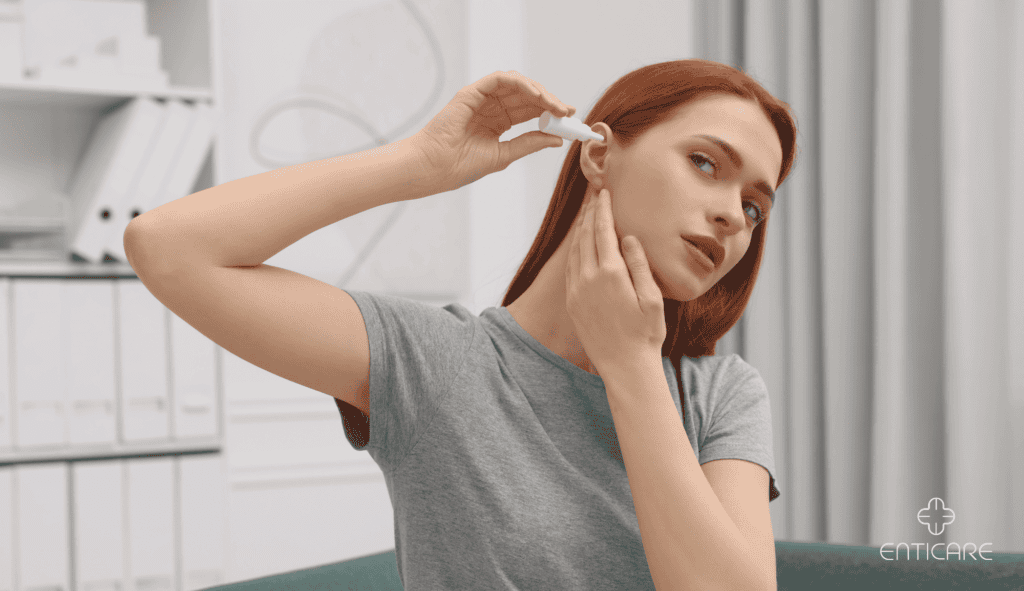
- Apply a small amount of fragrance-free oil (olive or almond) around the outer ear
- Use a warm compress for 5–10 minutes
- Avoid cotton swabs and scratching
- Keep hot water out of the ear canal
Long-Term Fix (Weeks)
To prevent recurring flare-ups:
- Support histamine balance
- Improve sleep and cortisol rhythm
- Stay hydrated with minerals
- Reduce inflammation load
📎 Read More: The 7-Day Low-Histamine Reset Plan
📎 Read More: Cortisol Crash in the Afternoon
What to Avoid (These Make It Worse)
- Cotton swabs (strip natural oils)
- Hot showers directly in ears
- Fragranced hair or ear products
- Over-cleaning the ear canal
The itch–scratch cycle often prolongs symptoms.
When to See a Clinician
Seek medical care if you notice:
- Persistent pain
- Bleeding or discharge
- Sudden hearing changes
- Swelling or fever
Hormonal itching is common — but infections require treatment.
Related Reading
📎 Read More: The Estrogen–Histamine Loop
📎 Read More: The 7-Day Low-Histamine Reset Plan
📎 Read More: Why Perimenopause Feels Like a Second Puberty
📎 Read More: Wearable Metrics That Reveal Hormone Imbalance
Health Disclaimer
This article is for general wellness education only.
For persistent ear pain, discharge, or hearing issues, consult a licensed healthcare professional.