When most people think of hot flashes, they imagine sudden sweating and heat.
But during perimenopause, hormonal shifts can trigger many different sensations that don’t always feel “hot.”
These lesser-known hot flash variations confuse many women — and often go undiagnosed.
If you’ve felt sudden chills, anxiety rushes, burning skin, or heat without sweating, hormones may still be the cause.

Why Hot Flashes Feel So Different
Hot flashes are caused by instability in the brain’s temperature-regulation center, which is heavily influenced by estrogen.
As estrogen fluctuates:
- The brain misreads body temperature
- Blood vessels dilate or constrict suddenly
- Stress hormones amplify sensations
📎 Read More: Why Perimenopause Feels Like a Second Puberty
1. Cold Flashes (Yes, They’re Real)
Cold flashes feel like:
- Sudden chills
- Goosebumps
- Shivering without fever
These happen when blood vessels constrict instead of dilating — often right after a hot flash or during estrogen drops.
📎 Read More: Hormonal Belly Fat (Estrogen vs Cortisol)
2. Anxiety or Adrenaline Rush Flashes
Some flashes don’t feel hot at all.
Instead, you may feel:
- Sudden anxiety
- Racing heart
- Chest tightness
- Sense of urgency
These are often cortisol-driven flashes, where stress hormones surge alongside estrogen fluctuations.
📎 Read More: Cortisol Symptoms
📎 Read More: Wired But Tired at Night
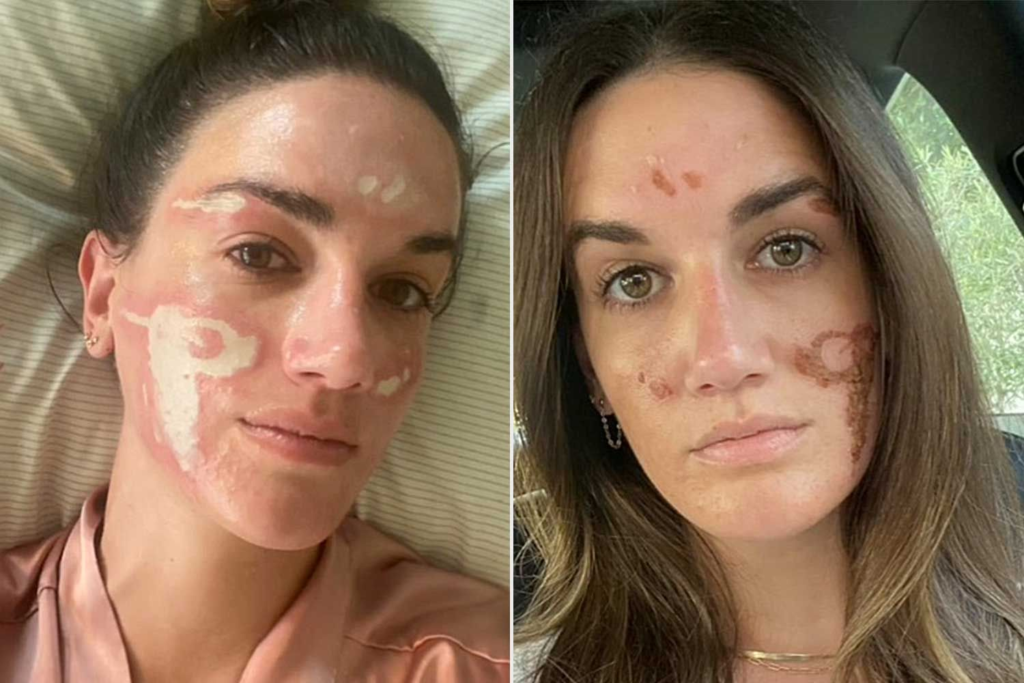
3. Burning Skin Without Sweating
This variation includes:
- Burning face or neck
- Tingling skin
- Redness without sweat
It’s linked to nerve sensitivity and histamine release, not overheating.
📎 Read More: The Estrogen–Histamine Loop
📎 Read More: Itchy Ears During Perimenopause: Causes & Simple Relief
4. Nighttime Heat Surges
Many women wake suddenly feeling:
- Overheated
- Restless
- Alert
These nighttime flashes often occur alongside 3 AM awakenings and are linked to cortisol rhythm disruption.
📎 Read More: Perimenopause Insomnia: Why You Wake Up at 3 AM
📎 Read More: 3 AM Cortisol Spike: Why You Wake Up & Can’t Sleep
5. Post-Meal Hot Flashes
Some women notice flashes:
- After eating
- After sugary or refined meals
- After alcohol
These are often tied to blood sugar swings, not menopause alone.
📎 Read More: Healthy Foods That Spike Blood Sugar
📎 Read More: Insulin Resistance Belly vs Cortisol vs Thyroid Belly
How to Reduce Hot Flash Variations Naturally
Relief depends on identifying your trigger, not just lowering heat.
Helpful strategies include:
- Stabilizing blood sugar
- Improving sleep consistency
- Reducing histamine load
- Managing stress hormones
📎 Read More: Cortisol Diet / 7-Day Plan
📎 Read More: The Cortisol Belly Diet: 7 Foods That Lower Cortisol Naturally
When to Talk to a Clinician
Seek guidance if:
- Flashes are severe or worsening
- Sleep is consistently disrupted
- Symptoms interfere with daily life
Hormonal support options vary — individualized care matters.
Related Reading
📎 Read More: Why Perimenopause Feels Like a Second Puberty
📎 Read More: Itchy Ears During Perimenopause: Causes & Simple Relief
📎 Read More: Perimenopause Insomnia: Why You Wake Up at 3 AM
📎 Read More: Wearable Metrics That Reveal Hormone Imbalance
Health Disclaimer
This article is for general wellness education only.
For severe or persistent symptoms, consult a licensed healthcare professional.