You feel exhausted all day.
But when night comes, your body won’t shut down.
Your mind is alert.
Your heart feels slightly fast.
Sleep feels just out of reach.
This “wired but tired” feeling is not a personality flaw or anxiety disorder.
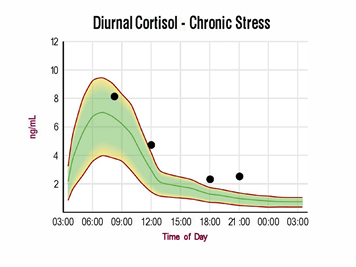
It’s usually a sign that your cortisol rhythm is flipped.
What “Wired but Tired” Really Means
Cortisol is your main stress and alertness hormone.
In a healthy rhythm:
- Cortisol is high in the morning
- Gradually lowers throughout the day
- Reaches its lowest point at night
When you’re wired but tired:
- Cortisol stays too high at night
- Sleep becomes shallow or delayed
- You wake up unrefreshed
📎 Read More: Cortisol Symptoms
Why Cortisol Spikes at Night
This pattern usually develops from chronic stress, not one bad day.
1. Blood Sugar Drops After Dinner
If blood sugar dips too low at night, your body releases cortisol and adrenaline to compensate.
This creates:
- Sudden alertness
- Racing thoughts
- Difficulty staying asleep
📎 Read More: Cortisol Crash in the Afternoon
📎 Read More: Healthy Foods That Spike Blood Sugar
2. Perimenopause & Progesterone Decline
Progesterone has a calming effect on the brain.
During perimenopause:
- Progesterone drops first
- GABA signaling weakens
- Cortisol effects feel stronger at night
📎 Read More: Why Perimenopause Feels Like a Second Puberty
📎 Read More: Perimenopause Insomnia: Why You Wake Up at 3 AM
3. Late-Night Stimulation (Hidden Stressors)
Cortisol can spike from:
- Late workouts
- Bright screens
- Emotional stress
- Overthinking at night
Even “productive” habits can keep your nervous system in fight-or-flight.

Wired but Tired vs Regular Insomnia
Not all sleep problems are the same.
| Pattern | Likely Cause |
|---|---|
| Can’t fall asleep | High evening cortisol |
| Wake at 2–3 AM | Blood sugar + cortisol surge |
| Light, unrefreshing sleep | Hormone + stress load |
📎 Read More: 3 AM Cortisol Spike: Why You Wake Up & Can’t Sleep
How to Lower Cortisol at Night (What Actually Helps)
You can’t force sleep — but you can signal safety to your nervous system.
1. Eat to Stabilize Nighttime Blood Sugar
Skipping dinner or eating very light can backfire.
Helpful focus:
- Protein at dinner
- Balanced meals
- Avoid late sugar or alcohol
📎 Read More: Protein Timing for Hormone Balance
2. Lower Stimulation After Sunset
Your brain reads light and activity as “daytime.”
Try:
- Dim lights after 8 PM
- Avoid intense exercise late
- Reduce emotional stimulation
3. Support the Nervous System, Not Just Sleep
Instead of “trying to sleep,” focus on calming signals.
Helpful practices:
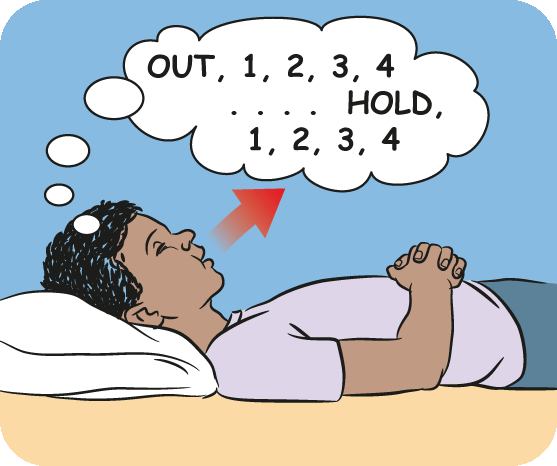
- Slow breathing
- Gentle stretching
- Non-sleep deep rest (NSDR)
📎 Read More: Wearable Metrics That Reveal Hormone Imbalance
4. Watch Caffeine Timing
Caffeine affects cortisol hours later, not just immediately.
For sensitive systems:
- Avoid late-morning or afternoon caffeine
- Notice sleep patterns, not just energy
📎 Read More: Cortisol & Morning Coffee Timing
Why This Pattern Is Common in Women
Women are more affected due to:
- Hormonal fluctuations
- Higher stress load
- Greater cortisol sensitivity during perimenopause
This is biological, not weakness.
📎 Read More: Hormonal Belly Fat (Estrogen vs Cortisol)
When to Seek Professional Help
Get support if:
- Sleep issues persist for months
- Anxiety feels unmanageable
- You feel exhausted despite “doing everything right”
Sometimes testing or guided support is needed.
Related Reading
📎 Read More: Cortisol Symptoms
📎 Read More: Perimenopause Insomnia: Why You Wake Up at 3 AM
📎 Read More: Cortisol Crash in the Afternoon
📎 Read More: Stress Weight Gain (Even with Clean Eating)
Health Disclaimer
This article is for general wellness education only.
It does not diagnose or treat medical conditions. Consult a healthcare professional for persistent sleep or stress issues.