Health Disclaimer : This content is for educational purposes only and does not replace medical advice. Always consult a qualified healthcare professional for diagnosis or treatment.
It feels like ants on your skin.
Or tiny bugs crawling — but when you look, there’s nothing there.
No rash.
No bites.
No clear explanation.
If you’re in your late 30s or 40s, this strange sensation — called formication — is more common during perimenopause than most women realize.
And no, it doesn’t mean you’re losing your mind.
🔎 Key Takeaways (TL;DR)
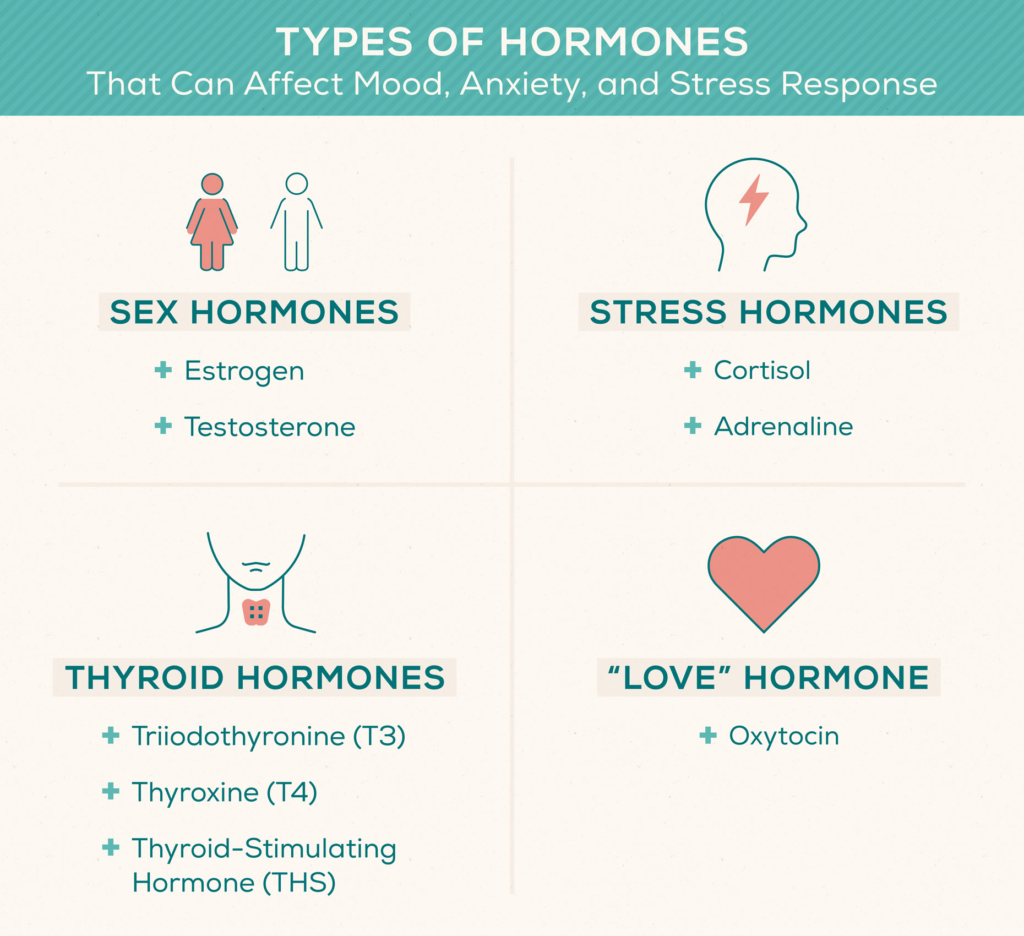
- Formication in perimenopause is commonly driven by hormone fluctuations and nervous system sensitivity
- It often worsens with stress, sleep disruption, and cortisol shifts
- Calming the nervous system and stabilizing hormones can significantly reduce the sensation
Why Crawling Skin Happens in Perimenopause (Body-First Explanation)
Formication doesn’t start in the skin.
It starts in the nervous system.
During perimenopause:
- Estrogen becomes unpredictable
- Progesterone drops
- Nerve signaling becomes more sensitive
Estrogen normally helps regulate:
- Nerve stability
- Blood flow to the skin
- Sensory processing in the brain
When estrogen dips suddenly, nerves can misfire — sending false “touch” signals to the skin, even when nothing is there.
📎 Read More: Why Perimenopause Feels Like a Second Puberty
What Formication Feels Like
Women describe it as:
- Tiny insects crawling on arms or legs
- Light prickling or tingling
- Sudden itching with no rash
- Sensations that move from place to place
It can feel alarming — but it’s usually neurological, not dermatological.
How This Differs From Skin Conditions
| Formication (Hormonal) | Skin Allergy / Rash |
|---|---|
| No visible marks | Redness, bumps |
| Comes and goes | Often constant |
| Worse with stress | Worse with exposure |
| Improves with calming | Improves with creams |
If your skin looks normal but feels strange, hormones are often involved.
📎 Read More: Panic Attacks That Feel Hormonal: How Perimenopause Changes Stress Response
Why Crawling Sensations Are Worse at Night
Many women notice formication more:
- When lying down
- During quiet moments
- At night
At night:
- Cortisol timing shifts
- The nervous system stays alert
- Sensations feel louder in stillness
📎 Read More: Wired But Tired at Night: Why Your Cortisol Is Spiking
📎 Read More: Perimenopause Insomnia: Why You Wake Up at 3 AM
The Cortisol–Blood Sugar–Formication Loop
Low blood sugar can amplify crawling sensations.
When glucose dips:
- The brain triggers stress pathways
- Cortisol rises
- Nerve firing becomes more noticeable
This explains why formication may improve with:
- Regular meals
- Protein at dinner
- Avoiding late sugar or alcohol
📎 Read More: Hormonal Belly Fat (Estrogen vs Cortisol)
What Actually Helps Calm Formication
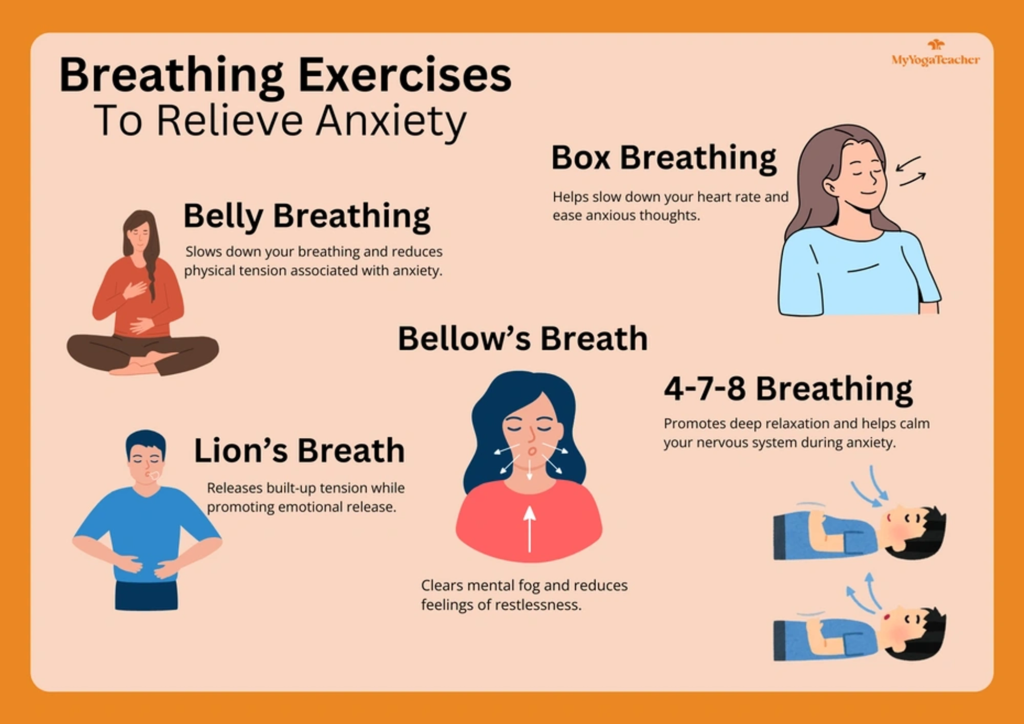
You can’t stop nerve signals instantly — but you can reduce sensitivity.
Helpful approaches:
- Slow breathing with long exhales
- Gentle stretching or walking
- Consistent sleep timing
- Hydration throughout the day
- Reducing evening stimulation
These calm the stress response that fuels nerve misfiring.
Is This Normal? (Yes — and Very Common)
Women often say:
- “It feels like bugs, but there are none.”
- “My skin crawls when I lie down.”
- “It started with hormonal changes.”
This does not mean psychosis or neurological disease.
It reflects temporary nerve sensitivity during hormone shifts.
📎 Read More: Stress Weight Gain (Even With Clean Eating)
When to Seek Medical Support
Get checked if:
- There is numbness or weakness
- Sensations are one-sided
- You notice rashes, sores, or swelling
- Symptoms worsen rapidly
Otherwise, hormonal formication is very common in perimenopause.
Related Reading
📎 Read More: Why Perimenopause Feels Like a Second Puberty
📎 Read More: Panic Attacks That Feel Hormonal: How Perimenopause Changes Stress Response
📎 Read More: Wired But Tired at Night: Why Your Cortisol Is Spiking
📎 Read More: Hormonal Belly Fat (Estrogen vs Cortisol)
Health Disclaimer
This article is for general wellness education only and does not constitute medical advice.
Symptoms can overlap with other conditions. Consult a licensed healthcare professional for diagnosis or treatment.