Health Disclaimer
This article is for general wellness education only and does not replace medical advice.
Always consult a qualified healthcare professional for personal guidance.
You wake up already uneasy.
Your heart feels fast.
Your skin flushes.
Your stomach feels off.
Breakfast should help — but instead, symptoms sometimes get worse.
If you deal with histamine reactions, morning anxiety, or energy crashes, your breakfast might be doing more harm than good — especially if blood sugar spikes and crashes are involved.
The good news?
You don’t need a restrictive diet.
You need a histamine-aware, blood-sugar-stable breakfast.
🔎 Key Takeaways (TL;DR)
- Histamine symptoms can worsen when breakfast spikes blood sugar
- Low-histamine breakfasts should focus on protein + gentle carbs + low reactivity foods
- Stabilizing mornings often reduces night anxiety, flushing, and fatigue
Why Breakfast Matters So Much for Histamine
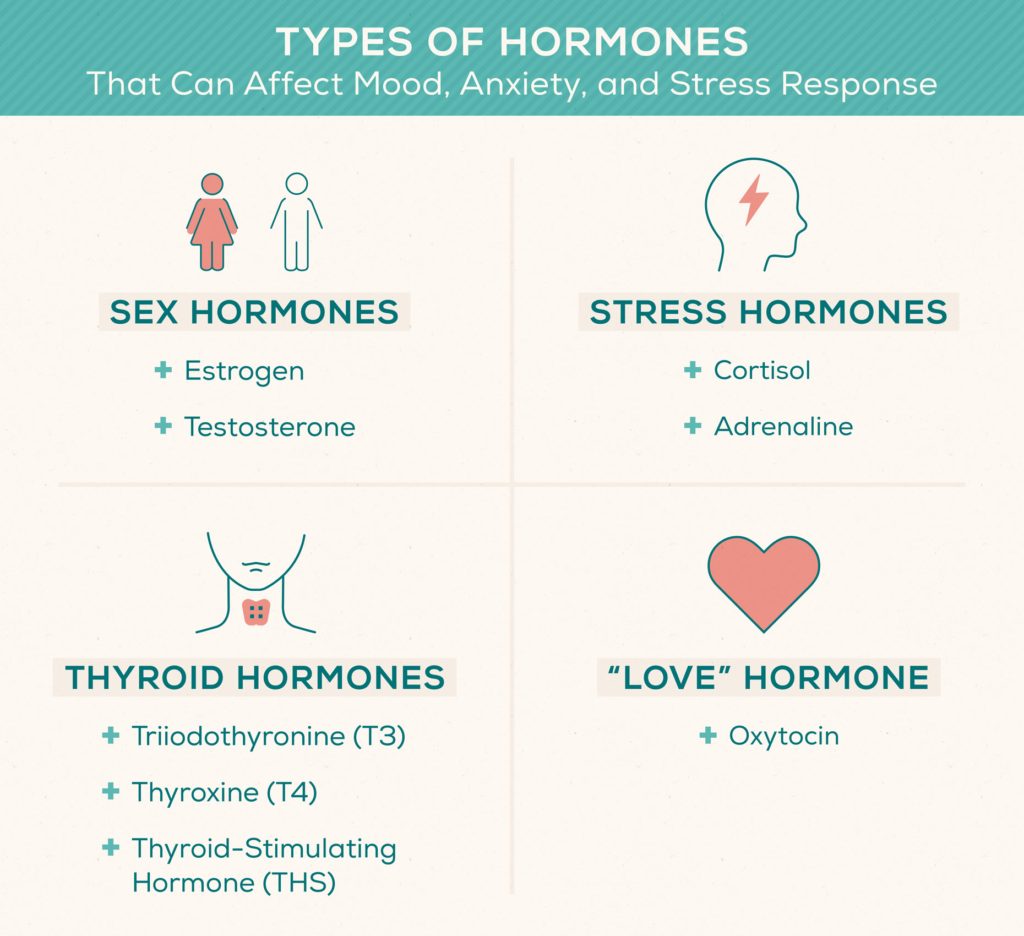
Histamine isn’t just about food reactions.
It’s also a neurotransmitter that interacts with cortisol and blood sugar.
In the morning:
- Cortisol naturally rises
- Blood sugar is fragile after fasting
- Histamine activity is easier to trigger
If breakfast causes a glucose spike → crash:
- Cortisol surges
- Histamine release increases
- Symptoms like anxiety, itching, flushing, or dizziness appear
📎 Read More: Histamine at Night: Why Symptoms Spike After 10 PM
Common Breakfast Mistakes That Worsen Histamine
Many “healthy” breakfasts backfire:
- Fruit-only smoothies
- Coffee on an empty stomach
- Toast or cereal without protein
- Yogurt (fermented = high histamine)
These cause fast glucose spikes, followed by cortisol-driven crashes.
📎 Read More: Wired But Tired at Night: Why Your Cortisol Is Spiking
What Makes a Breakfast Low-Histamine AND Blood-Sugar Stable
The goal is calm digestion, not stimulation.
A supportive breakfast includes:
- Protein first (anchors blood sugar)
- Gentle carbs (not refined sugar)
- Low-histamine preparation (fresh, simple)
Best Low-Histamine Breakfast Options
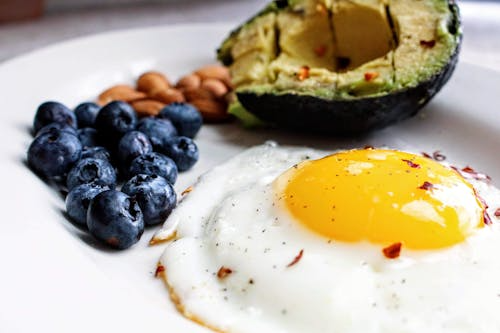
🥚 1. Eggs + Gentle Carbs
- Fresh eggs (not leftover long)
- Oats or white rice
- Olive oil or butter
This combo is:
- Low histamine
- High satiety
- Blood-sugar stabilizing
🍓 2. Oats With Protein
- Plain oats
- Chia seeds
- Fresh blueberries or pear
- Added protein (collagen or egg whites)
Avoid dried fruits or flavored packets.
🍚 3. Savory Breakfasts (Underrated Fix)
- Rice + eggs
- Sweet potato + protein
- Leftover dinner foods (freshly prepared)
Savory breakfasts often reduce morning anxiety dramatically.
📎 Read More: Hormonal Belly Fat (Estrogen vs Cortisol)
🍳 Sample Low-Histamine Breakfast (5 Minutes)
5-Minute Low-Histamine Breakfast Idea
• 2 fresh eggs
• ½ cup cooked oats or white rice
• A drizzle of olive oilThis simple combination provides protein for blood sugar stability without triggering histamine release.
What to Drink in the Morning
Be careful with drinks.
Better options:
- Herbal tea
- Warm water
- Low-acid coffee after food
Avoid:
- Coffee on empty stomach
- Energy drinks
- Fermented drinks
Why This Helps Night Symptoms Too
Morning blood sugar stability sets the tone for the day.
When mornings are stable:
- Cortisol rhythm improves
- Histamine quiets down
- Night anxiety and itching often reduce
📎 Read More: Stress Weight Gain (Even With Clean Eating)
Is This Normal? (Yes — Very Common)
People often say:
- “Breakfast makes me anxious.”
- “I feel worse after eating.”
- “Skipping breakfast feels better — until later.”
This usually points to blood sugar + histamine interaction, not food intolerance alone.
📎 Read More: Panic Attacks That Feel Hormonal: How Perimenopause Changes Stress Response
When to Be Extra Careful
If symptoms include:
- Severe swelling
- Hives
- Trouble breathing
Seek medical care immediately.
For daily symptoms, food timing and composition usually make a big difference.
Related Reading
📎 Read More: Histamine at Night: Why Symptoms Spike After 10 PM
📎 Read More: Panic Attacks That Feel Hormonal: How Perimenopause Changes Stress Response
📎 Read More: Wired But Tired at Night: Why Your Cortisol Is Spiking
📎 Read More: Hormonal Belly Fat (Estrogen vs Cortisol)
Health Disclaimer
This article is for general wellness education only and does not replace medical advice.
Always consult a qualified healthcare professional for personal guidance.