If you’ve been eating healthy, exercising regularly, and still struggling with stubborn belly fat, it can feel incredibly frustrating. Many people find themselves doing everything “right” but not seeing results — especially around the lower abdomen.
In many cases, the issue isn’t effort — it’s what’s happening internally.
Belly fat is not just about calories or workouts. Hormones, stress levels, sleep quality, and metabolism all play a major role in whether your body stores fat or burns it.
Once you understand these hidden factors, fat loss becomes much easier — and more realistic.

⚠️ What Most People Get Wrong About Belly Fat
Most advice online focuses on:
- Eat less
- Exercise more
- Do more cardio
But belly fat behaves differently from other types of fat.
It is strongly influenced by:
- Stress hormones (cortisol)
- Blood sugar levels
- Sleep quality
- Hormonal balance
This is why many people struggle even when they are consistent with diet and workouts.
Hormonal resistance is also a key reason belly fat can sometimes be difficult to lose, even with effort.
🔍 7 Hidden Reasons Your Belly Fat Isn’t Going Away
1. High Cortisol (Chronic Stress)
When your body is under constant stress, it releases cortisol — a hormone that promotes fat storage, especially around the belly.
Common signs include:
- Waking up between 2–4 AM
- Feeling tired but wired
- Strong sugar cravings
- Stubborn lower belly fat
Chronic stress keeps your body in fat-storage mode instead of fat-burning mode.
👉 Learn 7-Day Cortisol Belly Diet Plan (Free Printable Guide + PDF)
2. Poor Sleep Quality
Sleep is one of the most underrated fat-loss factors.
When you sleep less than 6–7 hours:
- Cortisol levels increase
- Hunger hormones become unbalanced
- Cravings go up
- Fat burning slows down
Even with a perfect diet, poor sleep can block results.
3. Blood Sugar Spikes
Frequent spikes in blood sugar lead to high insulin levels, which signal the body to store fat.
This often happens with:
- Sugary foods and drinks
- Processed snacks
- Skipping meals
Balanced meals help stabilize energy and reduce cortisol spikes.
4. Gut Health Imbalance
Your gut plays a major role in metabolism and hormone regulation.
When gut health is poor, you may notice:
- Bloating
- Slow digestion
- Weight gain despite dieting
Healthy gut bacteria also help regulate stress responses.
👉 Here’s Why Is Belly Fat So Hard to Lose?
5. Magnesium Deficiency
Magnesium is a key mineral involved in:
- Stress regulation
- Sleep quality
- Blood sugar control
Low magnesium levels can increase cortisol and make fat loss harder.
👉 See How Stress Leads to Belly Fat – And 5 Ways to Fix It Naturally
6. Overtraining (Too Much Intense Exercise)
Too much high-intensity training can actually increase stress in the body.
This can:
- Raise cortisol
- Slow recovery
- Prevent fat loss
Low-intensity movement like walking is often more effective for long-term results.
7. Eating Too Little
Extreme dieting can backfire.
When you eat too little:
- Your metabolism slows down
- Your body holds onto fat
- Cravings increase
Sustainable eating works better than restrictive diets.
🔄 Why Diet & Exercise Alone Don’t Always Work
Fat loss isn’t just about burning calories — it’s about creating the right internal environment.
Your body needs:
- Stable blood sugar
- Balanced hormones
- Low stress levels
- Proper recovery
Without these, your body stays in fat-storage mode.
🥑 7 Foods That Help Lower Cortisol Naturally
1. Fatty Fish (Salmon, Sardines, Mackerel)
Why it works:
Rich in omega-3 fatty acids, which help reduce inflammation and support a healthy stress response.
Research suggests omega-3 fatty acids may help reduce stress responses and support lower cortisol levels.
How to eat it:
2–3 servings per week.
👉 Learn more about how stress leads to belly fat.
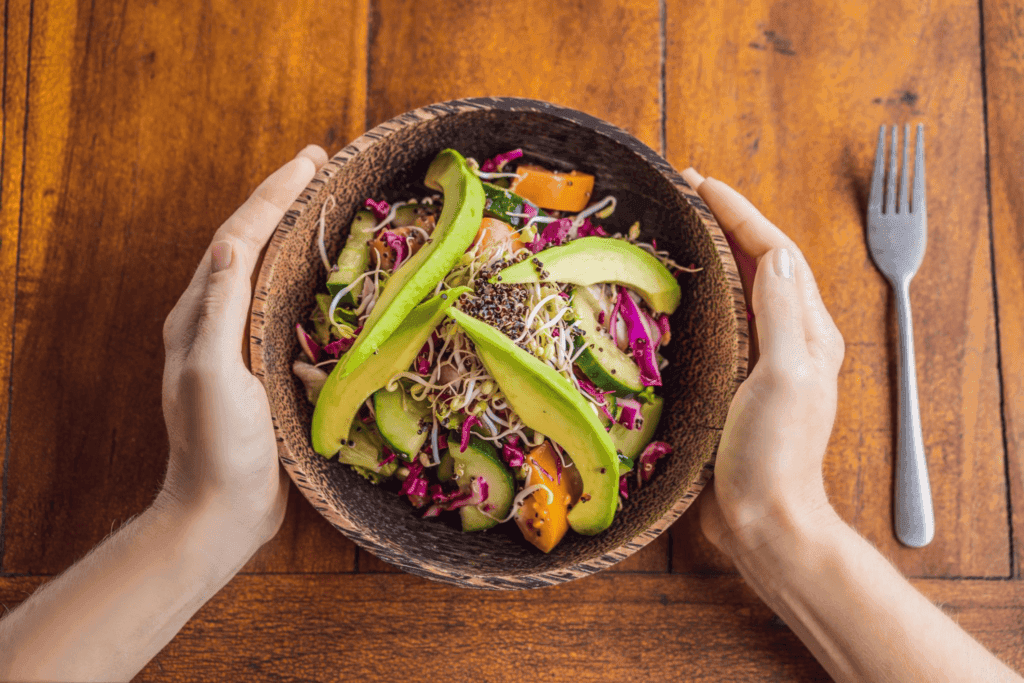
2. Avocado
Why it works:
Contains healthy fats and magnesium that support the nervous system and stabilize blood sugar.
How to eat it:
Add to toast, salads, or bowls.
3. Leafy Greens (Spinach, Kale)
Why it works:
High in magnesium, which helps regulate cortisol and supports relaxation.
How to eat it:
Smoothies or sautéed dishes.
👉 See how magnesium supports belly fat loss naturally.
4. Fermented Foods (Yogurt, Kimchi, Sauerkraut)
Why it works:
Support gut health and help produce calming neurotransmitters like GABA.
How to eat it:
1 serving daily.
👉 Learn how gut health affects belly fat and metabolism.
5. Dark Chocolate (85% Cacao+)
Why it works:
Contains antioxidants that may help reduce stress hormones and improve mood.
How to eat it:
1–2 small squares after meals.
6. Berries (Blueberries, Strawberries)
Why it works:
Rich in antioxidants that help reduce inflammation and oxidative stress.
How to eat it:
Add to yogurt or oatmeal.
7. Eggs & Turkey (Tryptophan-Rich Foods)
Why it works:
Support serotonin production, which helps regulate mood and cortisol levels.
How to eat it:
Include in breakfast or lunch.
🚫 Foods That Can Increase Cortisol
Avoid excessive:
- Caffeine
- Sugary snacks
- Ultra-processed foods
These can spike blood sugar and increase stress hormones.
🍽️ Sample 1-Day Cortisol-Balancing Meal Plan
Breakfast:
Avocado toast + eggs + berries
Lunch:
Salmon bowl with greens, rice, avocado
Snack:
Yogurt with berries or dark chocolate
Dinner:
Turkey stir-fry with spinach and fermented veggies
🧘 Daily Habits That Help Lower Cortisol
- Get 7–8 hours of sleep
- Walk daily
- Spend time in sunlight
- Practice deep breathing
- Reduce caffeine intake
These habits help your body shift out of stress mode.
⏳ How Long Does It Take to Lose Stubborn Belly Fat?
- Week 1–2: Better sleep and less bloating
- Week 3–4: Reduced cravings and improved energy
- Week 4–8: Visible fat reduction
- 2–3 months: Hormone balance improves
☕ My Take: What Actually Makes the Biggest Difference
In most cases, it’s not just one food or one workout.
The biggest change happens when you improve sleep, reduce stress, and stay consistent with simple habits.
Once your body feels safe, it stops holding onto fat — and results become much easier to achieve.
❓ Frequently Asked Questions
1. Why am I not losing belly fat even with exercise?
Because hormones, stress, and sleep play a major role beyond calories.
2. Can stress stop fat loss?
Yes. High cortisol promotes fat storage and slows metabolism.
3. What is the fastest way to reduce belly fat?
Focus on sleep, stress management, and balanced nutrition.
4. How long does it take to see results?
Most people notice changes within 4–8 weeks.
What Science Says
Research from the National Institutes of Health (NIH) shows that chronic stress and elevated cortisol levels are linked to increased abdominal fat storage and metabolic imbalance.
🩺 Medical Disclaimer
This article is for informational and educational purposes only and is not intended as medical advice. It should not replace professional diagnosis or treatment. Always consult a qualified healthcare professional before making changes to your diet, supplements, or lifestyle, especially if you have a medical condition or are taking medication.