If your stomach feels tight, heavy, or bloated — even when you’re eating “healthy” — you’re not alone.
Many people confuse bloating with fat, but in most cases, it’s caused by digestion issues, food sensitivities, or water retention. That uncomfortable, swollen feeling in your stomach isn’t always about weight gain — it’s often your body reacting to what and how you eat.
The good news? You don’t need extreme diets or detox plans.
With a few simple changes, you can reduce bloating quickly and feel lighter within days.
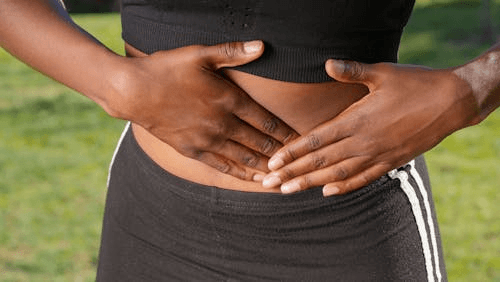
⚠️ Why You Feel Bloated (Common Causes)
Bloating usually happens when your digestive system is under stress.
Common causes include:
- Poor digestion or slow gut movement
- Eating too quickly or overeating
- Food intolerances (like dairy or gluten)
- Too much salt or processed food
- Gut imbalance (bad bacteria vs good bacteria)
- High stress levels affecting digestion
👉 READ MORE – Gut Health and Belly Fat – What’s the Real Connection?
🚫 Foods That Cause Bloating
If your goal is to reduce belly bloat fast, avoid these:
- Carbonated drinks (trap gas in your stomach)
- Processed foods (harder to digest)
- Excess salt (causes water retention)
- Sugary snacks (feed bad gut bacteria)
- Dairy (for sensitive individuals)
- Artificial sweeteners
Reducing these alone can make a noticeable difference in just a few days.
🥗 Foods That Reduce Bloating Naturally
These foods help calm digestion and reduce inflammation:
- Ginger → improves digestion and reduces gas
- Yogurt / Kefir → supports healthy gut bacteria
- Bananas → help balance sodium and reduce water retention
- Cucumber → hydrating and anti-inflammatory
- Peppermint → relaxes digestive muscles
👉READ MORE- The Best Low-Impact Exercises for a “Cortisol Belly” (Backed by Science)
📅 7-Day Anti-Bloating Diet Plan
This is a simple, realistic plan — not a strict diet.
Day 1–2: Reset Your Digestion
Focus: Light, easy-to-digest foods
- Breakfast: Banana + yogurt or smoothie
- Lunch: Rice + vegetables + light protein
- Dinner: Soup or steamed veggies
👉READ MORE-Hashimoto’s & Gut Inflammation: The Hidden Link Behind Bloating, Fatigue & Belly Fat
Day 3–4: Reduce Inflammation
Focus: Whole, clean foods
- Breakfast: Oats + berries
- Lunch: Grilled chicken / lentils + greens
- Dinner: Light stir-fry with vegetables
👉 Add ginger or peppermint tea
Day 5–7: Stabilize Your Gut
Focus: Balanced meals + gut support
- Breakfast: Yogurt + banana + seeds
- Lunch: Balanced meal (protein + carbs + fats)
- Dinner: Light, early dinner
👉 Add probiotic foods daily

⏳ How Fast Does Bloating Go Away?
If you follow this plan:
- Day 1–2: Less heaviness and gas
- Day 3–4: Reduced bloating and better digestion
- Day 5–7: Noticeably flatter stomach
👉 Most people feel lighter within a few days.
🧘 Simple Habits That Reduce Bloating
Food alone isn’t enough — habits matter too.
- Walk after meals (10–15 minutes)
- Drink water consistently (not all at once)
- Eat slowly and chew properly
- Avoid overeating
- Manage stress
👉READ MORE- Cortisol Belly vs. Bloating: 7 Clear Differences
🔄 How This Connects to Belly Fat
Many people think they have belly fat when it’s actually bloating.
Chronic bloating and gut issues can also affect metabolism and fat storage over time.
👉READ MORE- The Gut–Hormone Connection: How Gut Health Affects Estrogen & Cortisol
☕ My Take: What Actually Works
In most cases, bloating improves more from simple habits than strict diets.
When you focus on digestion, hydration, and reducing stress, your body naturally feels lighter and less inflamed.
You don’t need extreme detox plans — consistency with small changes works better.
❓ Frequently Asked Questions
1. Why am I bloated all the time?
It’s usually due to digestion issues, food intolerance, or gut imbalance.
2. How fast can bloating go away?
Many people notice improvement within 2–3 days.
3. What foods reduce bloating fast?
Ginger, yogurt, bananas, cucumber, and peppermint are very effective.
4. Is bloating the same as belly fat?
No — bloating is temporary, while fat is long-term storage.
🌍 What Science Says
Research from the National Institutes of Health (NIH) highlights how gut health, diet, and digestion play a key role in bloating and gastrointestinal discomfort.
🩺 Medical Disclaimer
This article is for informational and educational purposes only and is not intended as medical advice. It should not replace professional diagnosis or treatment. Always consult a qualified healthcare professional before making changes to your diet or lifestyle.