If you’ve been trying to lose weight but still struggling with stubborn belly fat, your gut health might be the missing piece.
In recent years, one specific gut bacteria — Akkermansia muciniphila — has gained attention for its potential role in metabolism, fat storage, and overall gut health.
But does it actually help with weight loss, or is it just another trend?
Let’s break it down in a simple, realistic way — including foods, supplements, and what actually works.
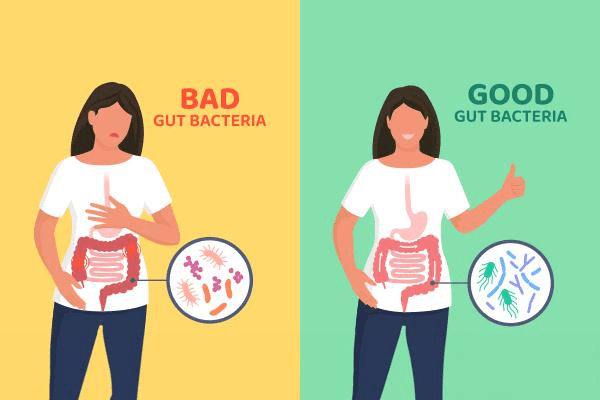
🧠 What Is Akkermansia?
Akkermansia muciniphila is a beneficial gut bacterium that lives in the lining of your intestines.
Its main role is to:
- Support gut barrier health
- Reduce inflammation
- Improve how your body processes nutrients
People with higher levels of Akkermansia are often linked to:
- Better metabolic health
- Lower body fat
- Improved insulin sensitivity
👉 It doesn’t burn fat directly — it helps create the right internal environment for fat loss.
⚙️ How Akkermansia May Support Weight Loss
Akkermansia affects several key systems in your body:
✔ Improves Gut Barrier
A stronger gut lining reduces inflammation, which is often linked to weight gain.
✔ Supports Insulin Sensitivity
Better blood sugar control = less fat storage.
✔ Reduces Low-Grade Inflammation
Chronic inflammation can slow metabolism and increase belly fat.
✔ Helps Regulate Appetite Signals
A healthy gut can improve hunger hormones and reduce cravings.
📎 Read More: Gut Health and Belly Fat – What’s the Real Connection?
⚠️ Signs You May Have Low Akkermansia
You can’t test it easily at home, but common signs include:
- Frequent bloating
- Difficulty losing weight
- Sugar cravings
- Poor digestion
- Low energy
👉 These are often signs of gut imbalance.
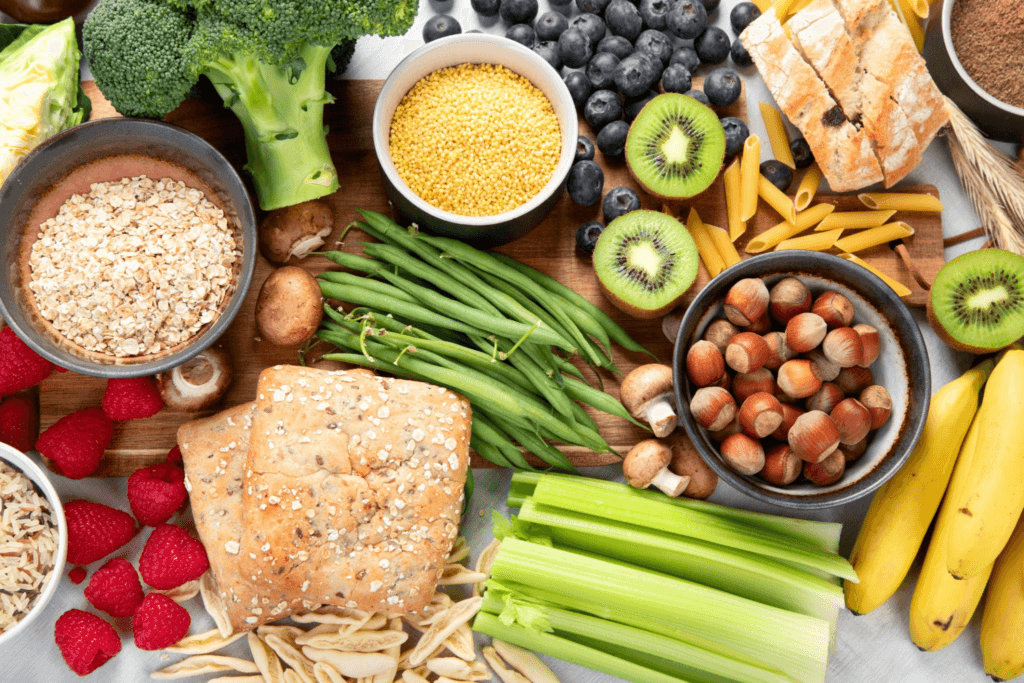
🥗 Best Foods That Naturally Increase Akkermansia
You don’t need supplements to start — food works first.
✔ Fiber-Rich Foods
- Oats
- Lentils
- Vegetables
👉 Feed good bacteria
✔ Polyphenol-Rich Foods
- Berries
- Green tea
- Dark chocolate
👉 Help beneficial bacteria grow
✔ Fermented Foods
- Yogurt
- Kefir
- Kimchi
👉 Improve overall gut balance
📎 Read More: 7-Day Anti-Bloating Diet Plan
💊 Akkermansia Supplements — Are They Worth It?
Supplements are becoming popular, but they’re not for everyone.
✔ Pros:
- Convenient
- Targeted support
- Useful if gut health is poor
❌ Cons:
- Expensive
- Not necessary for beginners
- Limited long-term research
👉 Most people should start with food first.
⚖️ Foods vs Supplements — What’s Better?
| Approach | Best For |
|---|---|
| Food-based approach | Beginners, long-term health |
| Supplements | Advanced users, specific issues |
👉 Food builds a strong foundation
👉 Supplements are optional support
⏳ How Long Does It Take to See Results?
Improving gut health takes time:
- 2–3 weeks: Better digestion
- 4–6 weeks: Reduced bloating
- 6–8 weeks: Metabolic improvements
👉 Consistency matters more than quick results.
🧘 Simple Habits That Support Akkermansia
- Eat more fiber daily
- Reduce processed foods
- Manage stress
- Sleep 7–8 hours
- Stay hydrated
👉 Gut health is a lifestyle, not a quick fix.
📎 Read More: How Stress Leads to Belly Fat
☕ My Take: Is Akkermansia Worth Focusing On?
Akkermansia is important — but it’s not magic.
Most people don’t need a specific supplement.
If you improve your diet, gut health, and daily habits, your body naturally supports beneficial bacteria like Akkermansia.
Focus on consistency, not shortcuts.
❓ Frequently Asked Questions
1. Can Akkermansia help lose belly fat?
Not directly, but it supports metabolism and gut health, which helps fat loss over time.
2. What foods increase Akkermansia?
Fiber-rich foods, polyphenols, and fermented foods.
3. Are Akkermansia supplements safe?
Generally safe, but not necessary for most people.
4. How long does it take to improve gut bacteria?
Usually 4–8 weeks with consistent diet changes.
🌍 What Science Says
Research suggests that Akkermansia muciniphila plays an important role in regulating metabolism and gut health, which may support weight management over time.
⚠️ Medical Disclaimer
This article is for informational purposes only and is not intended as medical advice. Always consult a healthcare professional before starting any supplement or major dietary change.