At-home tests for hormones, gut health, and breath testing are everywhere — but most women don’t know which ones are reliable and which ones waste money.
Used correctly, at-home tests can help identify stress load, gut imbalances, insulin issues, and hormone patterns without waiting months for appointments.
Here’s the real guide to what’s worth it — and what isn’t.

⭐ What At-Home Tests CAN and CANNOT Do
✔ They CAN:
- Give early clues about hormone imbalance
- Reveal gut inflammation or dysbiosis trends
- Detect SIBO-type gas patterns
- Track cortisol rhythm pattern
- Show nutrient issues (iron, B12, vitamin D)
- Identify blood sugar instability
❌ They CANNOT:
- Diagnose medical conditions
- Replace a full thyroid panel
- Give 100% accurate hormone readings
- Replace doctor-ordered labs for treatment decisions
Use them as data, not diagnosis.
⭐ 1. At-Home Hormone Tests — Worth It (With Limitations)
Hormone levels shift every hour, so home kits are not perfect, but they can be helpful for patterns, especially for:
- Cortisol rhythm
- Estrogen dominance clues
- Progesterone drop in luteal phase
- DHEA stress status
Best Types:
- Blood spot tests (more reliable)
- DUTCH urine test (for cortisol rhythm + metabolite patterns)
- Dried blood labs (fingerprick → mailed to CLIA-certified lab)
Not Worth It:
- Saliva-only hormone kits → inaccurate for estrogen & progesterone
- At-home menopause diagnosis kits
- Ovulation “hormone mapping” kits claiming to diagnose imbalance
📎 Read More: The “Full Thyroid Panel” Your Doctor Won’t Order
⭐ 2. At-Home Gut Tests — Worth It (If You Know What to Expect)
Gut microbiome kits can show:
- Diversity score
- Beneficial bacteria levels
- Inflammation indicators
- Potential overgrowth patterns
- Short-chain fatty acid trends
BUT they cannot:
- Diagnose SIBO
- Diagnose candida
- Diagnose parasites
- Tell you exact foods to avoid forever
Use it to understand gut ecosystem direction, not exact pathogens.
📎 Read More: Post-Antibiotic Microbiome Repair
📎 Read More: SIBO–Hormone Connection Explained
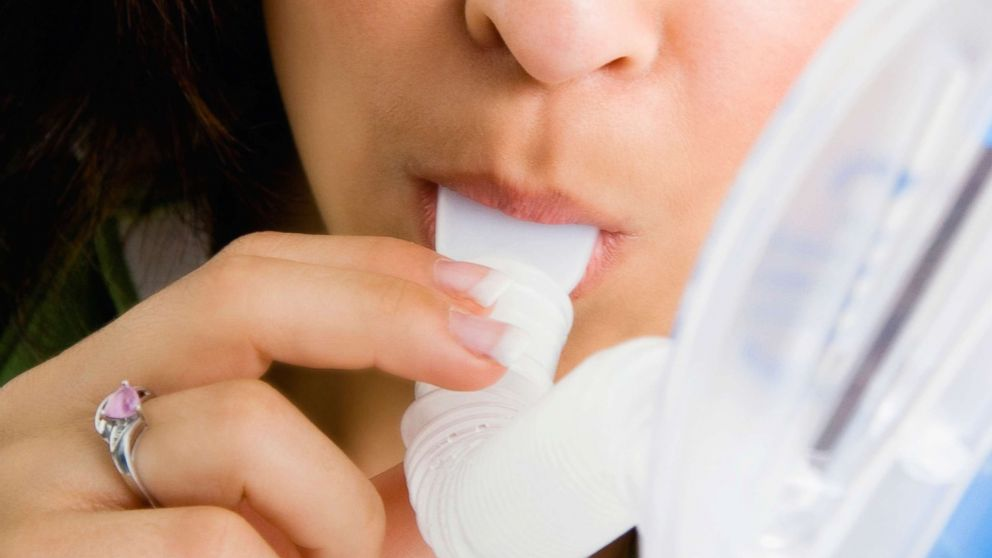
⭐ 3. At-Home Breath Tests — VERY Useful (Especially for Women)
Breath tests may be the most underrated home tests for metabolism & gut.
Most helpful breath tests:
- SIBO breath test (H2 + methane)
- Lactose intolerance test
- Fructose malabsorption test
These detect digestive gas patterns that doctors often miss.

Why women benefit the most:
- Slow motility from stress
- Hormonal bloating
- Estrogen–histamine interactions
- Perimenopause gut slowdown
Breath tests can reveal why bloating happens after meals.
📎 Read More: Endo Belly — Why You Look 6 Months Pregnant After Eating
⭐ 4. At-Home Metabolism Tests — Worth It for Tracking Trends
Good options:
- Vitamin D
- CRP (inflammation)
- Omega-3 index
- Blood sugar spot checks
- Lipid panel
- Ferritin + iron (for fatigue)
Great for women with fatigue, hair loss, weight resistance, or low energy.
⭐ 5. At-Home Thyroid Tests — Worth It (If They Include All 5 Markers)
A thyroid kit is only worth it if it includes:
- TSH
- Free T4
- Free T3
- Reverse T3
- TPO antibodies
Most cheap kits only include TSH → useless alone.
📎 Read More: Metabolic Hypothyroidism
⭐ What’s ACTUALLY Worth Buying (Simple List)
👍 Worth It
- Full thyroid at-home kits
- Gut microbiome tests (for general trends)
- SIBO breath tests
- Vitamin D test
- Iron/ferritin test
- Cortisol rhythm kits
- Omega-3 test
👎 Not Worth It
- Saliva-only hormone tests
- At-home candida tests
- Menopause diagnosis kits
- Generic “food sensitivity” IgG tests
- Cheap filler gut tests with no CLIA lab certified processing
⭐ How to Interpret At-Home Test Results Correctly
✔ Look for trends, not single numbers
✔ Combine with symptoms
✔ Follow up with real labs if results look concerning
✔ Avoid panic — at-home tests are directional
✔ Re-test every 3–6 months if needed
📎 Related Articles
📎 Read More: SIBO–Hormone Connection Explained
📎 Read More: Post-Antibiotic Microbiome Repair
⚠️ Health Disclaimer
This article is for educational purposes only. At-home tests provide directional insights and are not medical diagnosis tools. Always follow up with a licensed provider for official testing or treatment.