abhay sharma

Early perimenopause symptoms in women around age 35

Early Perimenopause at 35? Signs Younger Women Often Ignore

Many women believe perimenopause only starts in the late 40s.But for a growing number, hormonal changes begin much earlier — sometimes around age 35. Because periods may still be regular, these early signs are often ignored, misdiagnosed, or blamed on stress. If you’re in your mid-30s and noticing unexplained changes in sleep, mood, skin, or […]

Early Perimenopause at 35? Signs Younger Women Often Ignore Read More »

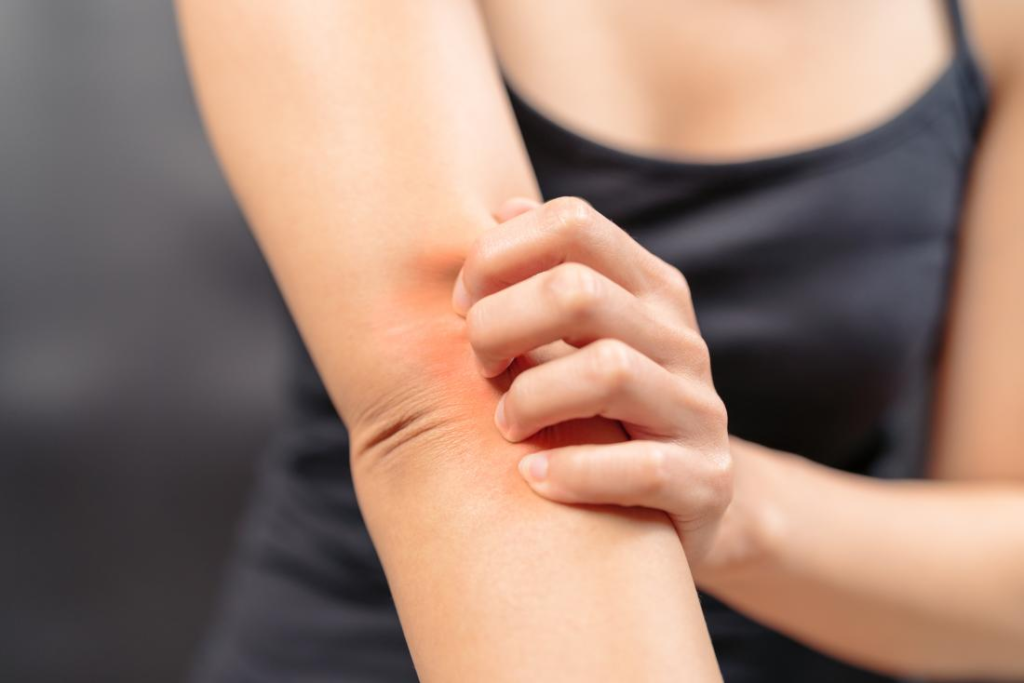
Skin itching and dryness during perimenopause due to hormone changes

Perimenopause Itch & Dryness: Skin Changes Caused by Hormones

Sudden itchy, dry, or irritated skin is one of the most confusing perimenopause symptoms. There’s no rash.No allergy.No new soap. Yet your skin feels tight, sensitive, or constantly itchy — especially at night. This isn’t just “aging skin.”For many women, skin itch and dryness are direct results of hormonal changes during perimenopause. Why Perimenopause Affects

Perimenopause Itch & Dryness: Skin Changes Caused by Hormones Read More »

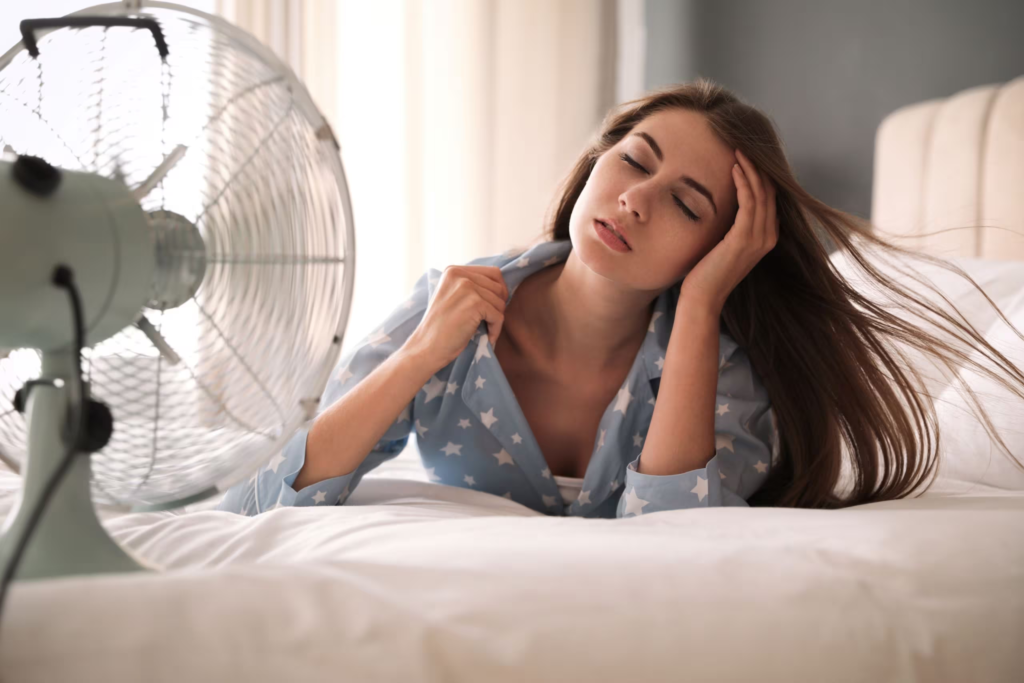
Different types of hot flashes caused by hormonal changes

Hot Flash Variations You Didn’t Know Were Hormonal

When most people think of hot flashes, they imagine sudden sweating and heat.But during perimenopause, hormonal shifts can trigger many different sensations that don’t always feel “hot.” These lesser-known hot flash variations confuse many women — and often go undiagnosed. If you’ve felt sudden chills, anxiety rushes, burning skin, or heat without sweating, hormones may

Hot Flash Variations You Didn’t Know Were Hormonal Read More »

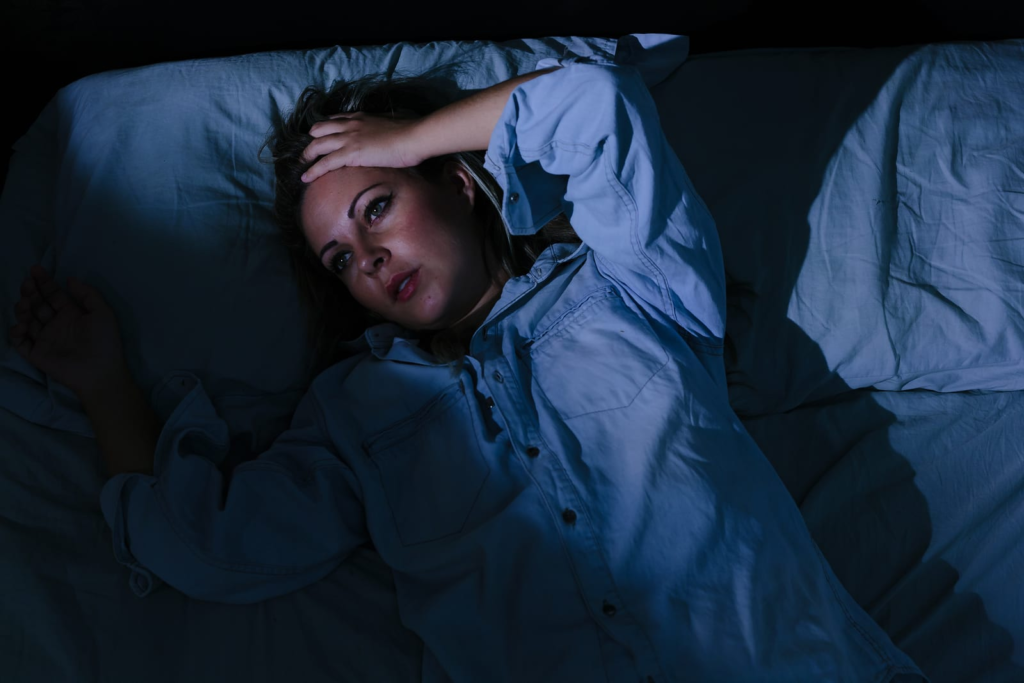
Woman awake at 3 AM during perimenopause insomnia

Perimenopause Insomnia: Why You Wake Up at 3 AM (And How to Fix It)

You fall asleep just fine.But then, suddenly — 3 AM. Your eyes open.Your mind feels alert.Your heart may be racing slightly.And falling back asleep feels impossible. This pattern is extremely common during perimenopause — and it’s not random insomnia. Waking up at 3 AM is one of the most specific metabolic and hormonal signals of

Perimenopause Insomnia: Why You Wake Up at 3 AM (And How to Fix It) Read More »

Itchy ears during perimenopause due to hormonal changes

Itchy Ears During Perimenopause: Causes & Simple Relief

If you’re over 40 and suddenly dealing with itchy ears, you’re not imagining things.Many women clean their ears repeatedly, worry about infections, or assume allergies — yet nothing shows up. For a surprising number of women, itchy ears are a real perimenopause symptom. As hormones fluctuate, especially estrogen, they affect skin hydration, histamine response, and

Itchy Ears During Perimenopause: Causes & Simple Relief Read More »

Diverse women accessing inclusive perimenopause support

Inclusive Perimenopause Care for Underserved Women (2025 Guide)

Perimenopause affects every woman, yet millions in the US — especially women of color, low-income women, rural communities, and those without insurance — receive little to no support. Underserved women are more likely to experience: But they’re less likely to receive diagnosis, prescriptions, guidance, or hormone education. This article explains how inclusive, accessible, culturally sensitive

Inclusive Perimenopause Care for Underserved Women (2025 Guide) Read More »

Loneliness affecting stress, hormones, and metabolism

Loneliness as a Metabolic Stressor (How Stress Impacts Your Health)

Loneliness doesn’t only affect emotions — it also impacts the body’s stress system.Studies show that chronic loneliness can raise: Your brain interprets loneliness as a threat.This activates the fight-or-flight system, keeping cortisol higher than normal — especially at night. Over time, loneliness becomes a metabolic stressor, affecting weight, cravings, and energy. 1. How Loneliness Raises

Loneliness as a Metabolic Stressor (How Stress Impacts Your Health) Read More »

Office worker using NEAT habits to improve metabolism

Desk-Job Metabolism 2.0: NEAT Habits to Boost Daily Calorie Burn

Sitting 8–10 hours a day slows metabolism, reduces fat-burning, increases cravings, and spikes stress hormones.The solution is NEAT — Non-Exercise Activity Thermogenesis — the calories you burn from small, everyday movements. Even tiny movements like standing, stretching, and walking increase metabolic activity without workouts. Desk-Job Metabolism 2.0 =a new system of micro-habits that you can

Desk-Job Metabolism 2.0: NEAT Habits to Boost Daily Calorie Burn Read More »

Techniques to activate the vagus nerve and reduce stress load

Vagus Nerve Hacks to Lower Cortisol (Science-Backed Guide)

When the vagus nerve is underactive, the body shifts into “fight-or-flight” mode — raising stress load, increasing tension, and disrupting sleep.When the vagus nerve is stimulated, the body enters the rest-and-digest state, helping cortisol fall into a healthier rhythm. These simple practices help the nervous system stay calmer, especially if you struggle with: Here are

Vagus Nerve Hacks to Lower Cortisol (Science-Backed Guide) Read More »