If you start your day with coffee on an empty stomach, you may be spiking cortisol before your day even begins.
While researching morning cortisol patterns, I noticed this habit is extremely common in people who feel anxious, shaky, or exhausted by mid-morning.
If you wake up tired, anxious, or hungry by mid-morning, your breakfast choice could be silently pushing cortisol higher.
This guide shows you exactly what to eat for breakfast to lower cortisol, stabilize blood sugar, and keep your energy steady from morning till night.
Why Breakfast Matters for Cortisol
Your cortisol is naturally highest 30–45 minutes after waking.
If you:
❌ skip breakfast
❌ drink coffee alone
❌ eat sugary carbs
→ cortisol shoots even higher.
If you:
✔ eat protein
✔ add healthy fats
✔ pair with fiber
→ cortisol stays stable for the next 4–6 hours.
Research suggests that skipping breakfast or consuming caffeine without food can increase cortisol levels and worsen blood sugar instability during the morning.
📎 Read More: 7-Day Cortisol Belly Diet Plan (Free Printable Guide + PDF)
What to Eat for Breakfast to Lower Cortisol
My Take: Protein Comes First
Many people underestimate how much breakfast protein affects stress hormones.
From research and observation, higher-protein breakfasts tend to reduce mid-morning cravings, anxiety, and energy crashes.
1️⃣ Protein-Based Breakfast (Most Important)
Aim for 20–30g protein.
Best options:
- Eggs (2–3)
- Greek yogurt
- Turkey sausage
- Cottage cheese
- Protein smoothie (whey, pea, or collagen)
Why it works:
Protein helps regulate blood sugar and hunger hormones like ghrelin, reducing insulin spikes that often trigger cortisol later in the day.
2️⃣ Add Healthy Fats (Keeps Cortisol Steady)
Healthy fats keep your mood + energy stable.
Great options:
- Avocado
- Chia seeds
- Flaxseeds
- Pumpkin seeds
- Almond butter
This combo reduces cravings and supports hormone balance.
3️⃣ Include Slow Carbs (Lower Cortisol + Keep You Full)
Choose fiber-rich, low-sugar carbs:
- Oatmeal
- Quinoa
- Whole grain toast
- Sweet potato
- Berries (blueberries, raspberries)
These carbs reduce cortisol by keeping blood sugar calm.
📎 Read More: Sleep Apnea & Belly Fat: The Hidden Link That Most People Miss
4️⃣ Add Magnesium-Rich Foods
Magnesium supports cortisol regulation.
Add these to breakfast:
- Pumpkin seeds
- Almonds
- Chia
- Leafy greens
- Oats
📎 Read More: The Cortisol Belly Diet: 7 Foods That Lower Cortisol Naturally
7 Best Cortisol-Lowering Breakfasts (US-Friendly)
1. Oatmeal + Blueberries + Chia Seeds
High fiber and antioxidants support steady blood sugar and a calmer nervous system, which helps keep cortisol from spiking.
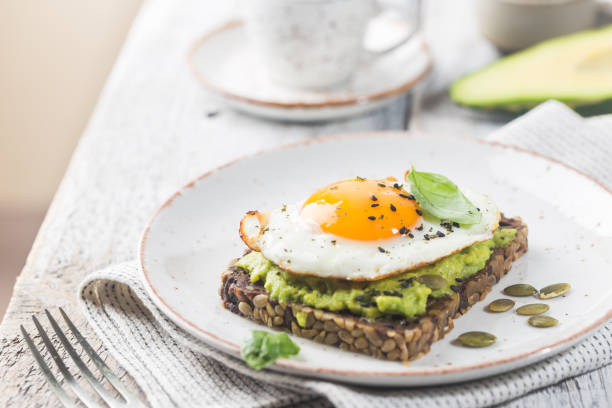
2. Avocado Toast + Egg
Healthy fats + protein → perfect cortisol combo.
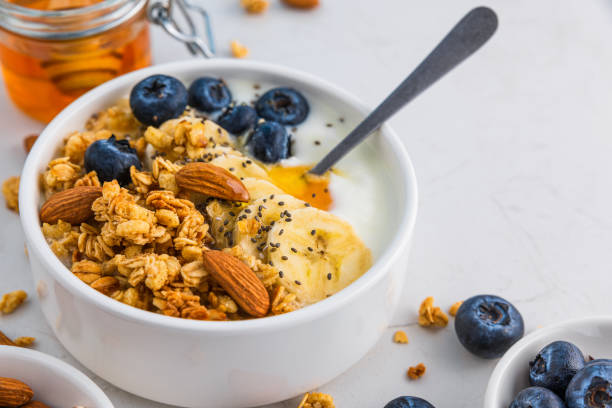
3. Greek Yogurt Bowl
Add: berries, pumpkin seeds, honey.
Rich in protein + probiotics.
4. Egg & Veggie Scramble
Spinach + eggs + tomatoes = anti-inflammatory, balanced start.
5. Turkey & Avocado Wrap
High protein + healthy fats.
Great for busy mornings.
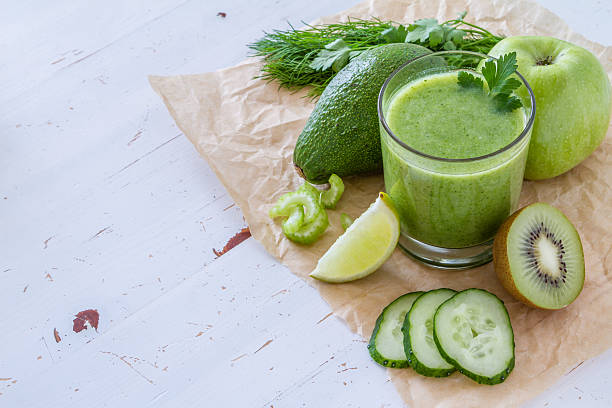
6. Smoothie for Stress Relief
Blend:
- spinach
- banana
- protein powder
- flax seeds
- blueberries
- almond milk
Supports cortisol + gut health.
7. Seed Cycling Breakfast (Hormone-Friendly)
Blend or top foods with:
- Flax seeds
- Pumpkin seeds
- Sunflower seeds (luteal phase)
Supports estrogen + progesterone balance.
What to AVOID for Breakfast (These Spike Cortisol)
❌ Coffee on an empty stomach
❌ Sugary cereals
❌ White bread
❌ Skipping breakfast
❌ Energy drinks
❌ High-sugar smoothies
❌ Donuts / pastries
These foods lead to cortisol spikes + blood sugar crashes → belly fat.
📎 Read More: The Best Low-Impact Exercises for a “Cortisol Belly” (Backed by Science)
The Perfect Cortisol-Balancing Morning Routine (2 Steps)
Step 1 — Eat first, THEN caffeine
Eat breakfast before coffee to protect cortisol.
Step 2 — Add hydration
Warm lemon water or herbal tea can help ease morning stress and support digestion.
Bonus Tip
Add cinnamon to your breakfast — it improves insulin sensitivity and helps reduce post-meal cortisol spikes.
FAQs
1. What is the best breakfast to reduce cortisol?
Anything with protein + healthy fats + slow carbs (like eggs + avocado + oats).
2. Is oatmeal good for cortisol?
Yes — oatmeal supports blood sugar stability and reduces stress hormones.
3. Should I drink coffee before or after breakfast?
Always after breakfast to prevent cortisol spikes.
This becomes even more important during periods of high stress or poor sleep.
4. Do smoothies help lower cortisol?
Yes — if they include protein + fiber + healthy fats.
📌 Related Posts You’ll Love
📎 Read More: 7-Day Cortisol Belly Diet Plan (Free Printable Guide + PDF)
📎 Read More: The Cortisol Belly Diet: 7 Foods That Lower Cortisol Naturally
📎 Read More: 🧠 How Stress Leads to Belly Fat – And 5 Ways to Fix It Naturally
Disclaimer:
This article is for informational and educational purposes only. It is not medical advice and should not be used to diagnose or treat any condition. Always talk to your doctor, primary care physician, or a qualified healthcare professional before making changes to your diet, supplements, or hormone-related treatments. If you have severe or persistent symptoms, seek medical help immediately.