It’s hard to explain unless you’ve felt it.
A low-level buzzing, humming, or internal vibration —
almost like your body is plugged into electricity.
There’s no visible shaking.
No clear anxiety thought.
Yet the sensation feels very real.
If you’re in your late 30s or 40s, this experience is commonly linked to perimenopause, even though it’s rarely talked about.
🔎 Key Takeaways (TL;DR)
- A buzzing or vibrating feeling in perimenopause is usually driven by nervous system overactivation, not anxiety thoughts
- Fluctuating estrogen and progesterone lower the brain’s calming signals
- Stabilizing cortisol, sleep timing, and blood sugar can reduce these sensations
Why the Buzzing Feeling Happens (Body-First Explanation)
This sensation does not start in the mind.
It starts in the nervous system.
During perimenopause:
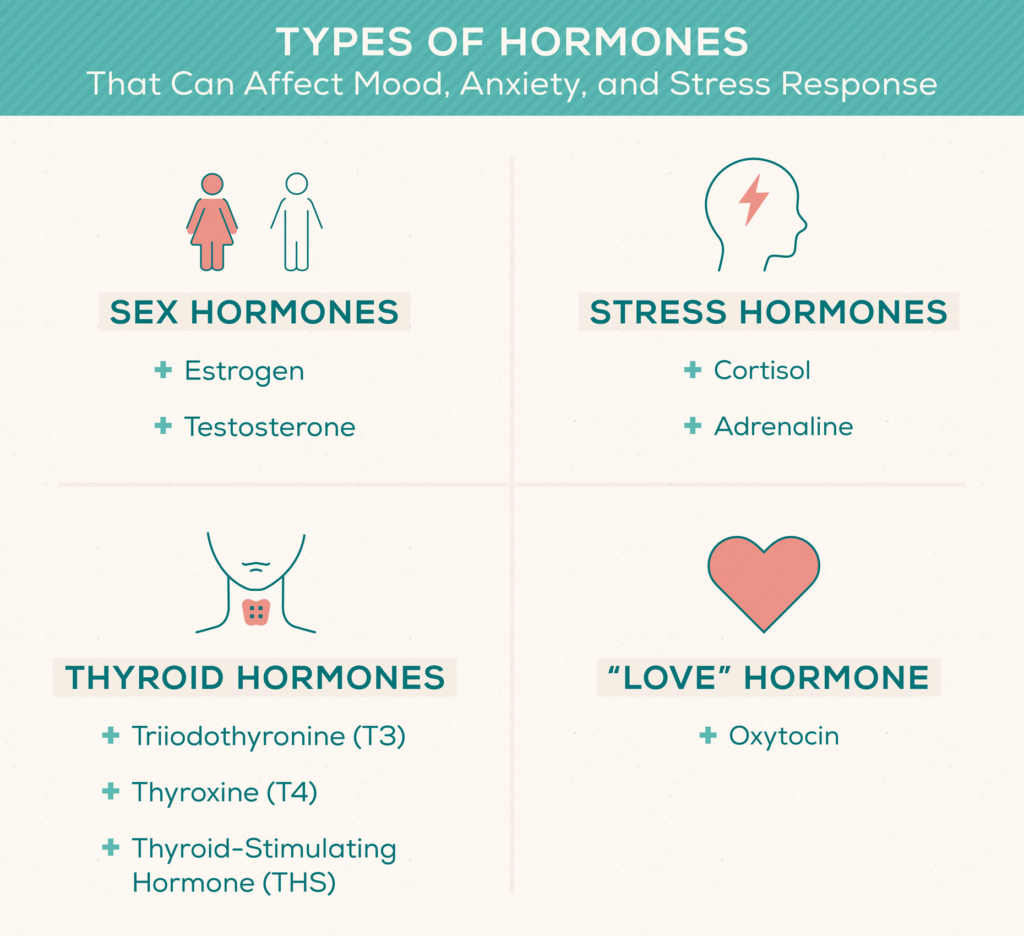
- Estrogen becomes erratic
- Progesterone drops earlier and faster
- GABA (the brain’s calming signal) weakens
When this happens, the nervous system stays slightly “on” even at rest.
Instead of panic, the body expresses this activation as:
- Internal vibration
- Buzzing in chest, arms, or legs
- A sense of internal restlessness
📎 Read More: Why Perimenopause Feels Like a Second Puberty
How This Differs From Anxiety or Tremors
Many women worry this sensation means:
- Anxiety disorder
- Neurological disease
- Early tremors
Here’s the key difference:
| Buzzing Sensation | Anxiety / Tremor |
|---|---|
| Internal, subtle | Visible shaking |
| Body-first | Thought-first |
| Worse at rest | Worse with stress |
| Improves with calming | Improves with distraction |
If the sensation is internal and constant, hormones are often involved.
📎 Read More: Panic Attacks That Feel Hormonal: How Perimenopause Changes Stress Response

Why Buzzing Is Worse at Night or When Resting
The buzzing often appears:
- When lying down
- During quiet moments
- At night
This is because:
- Cortisol timing is off
- The body doesn’t fully shift into rest mode
- Sensations feel louder in silence
📎 Read More: Wired But Tired at Night: Why Your Cortisol Is Spiking
📎 Read More: Perimenopause Insomnia: Why You Wake Up at 3 AM
The Cortisol–Blood Sugar–Buzzing Loop
Low blood sugar can amplify buzzing sensations.
When glucose dips:
- Cortisol rises
- Adrenaline increases
- Nerve firing becomes more noticeable
This is why buzzing may improve with:
- Protein-rich dinners
- Regular meals
- Avoiding late sugar or alcohol
📎 Read More: Hormonal Belly Fat (Estrogen vs Cortisol)
What Helps Calm the Buzzing Sensation
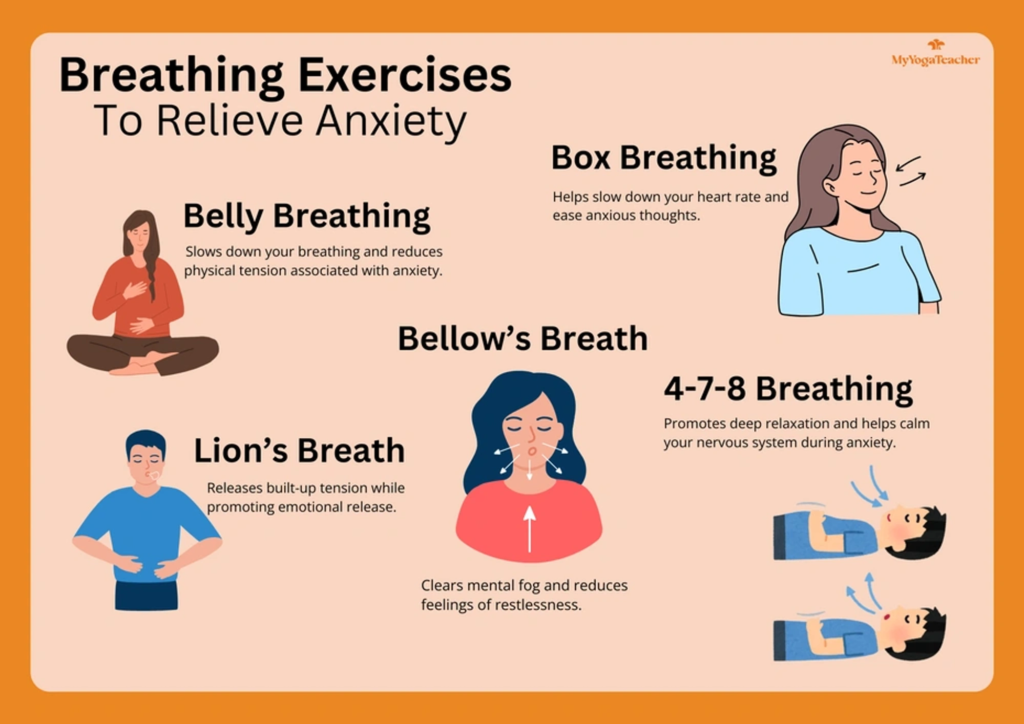
You can’t force it away — but you can signal safety.
Helpful approaches:
- Slow breathing with long exhales
- Gentle movement (not intense workouts)
- Consistent sleep timing
- Evening routines that lower stimulation
These reduce nervous system “noise.”
Is This Normal? (Yes — and Common)
Women often describe this as:
- “My body is vibrating but I’m calm”
- “It feels electrical inside”
- “It happens when I finally sit down”
This does not mean mental decline or neurological disease.
It reflects temporary nervous system sensitivity during hormonal shifts.
📎 Read More: Stress Weight Gain (Even With Clean Eating)
When to Seek Medical Support
Get checked if:
- The sensation is visible or one-sided
- There is numbness or weakness
- Symptoms worsen rapidly
Otherwise, hormonal causes are most common.
Related Reading
📎 Read More: Why Perimenopause Feels Like a Second Puberty
📎 Read More: Panic Attacks That Feel Hormonal: How Perimenopause Changes Stress Response
📎 Read More: Wired But Tired at Night: Why Your Cortisol Is Spiking
📎 Read More: Perimenopause Insomnia: Why You Wake Up at 3 AM
Health Disclaimer
This article is for educational purposes only and does not constitute medical advice.
Symptoms can overlap with other conditions. Consult a licensed healthcare professional for diagnosis or treatment.