🩵 Introduction
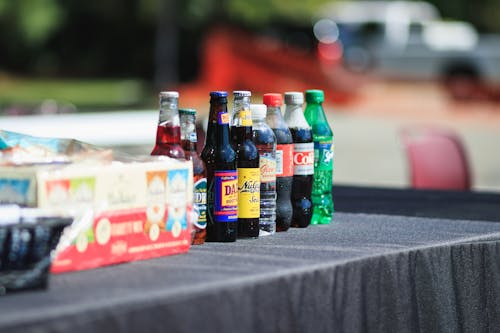
If you’ve been swapping regular soda for “diet” versions to cut calories, you might think you’re doing your belly a favor — but is that really true?
Recent studies suggest that diet soda could still be linked to belly fat, even though it’s calorie-free. Let’s uncover how artificial sweeteners might affect your metabolism, gut health, and fat storage.
⚖️ How Diet Soda Works
Diet sodas replace sugar with artificial sweeteners like aspartame, sucralose, or stevia.
They don’t add calories, but they can confuse your body’s hunger and insulin signals, making it harder to manage fat — especially around your midsection.
🍬 1. Artificial Sweeteners and Insulin Response
Even though diet sodas don’t contain sugar, research shows that sweet taste alone can trigger insulin release.
When insulin spikes but there’s no real sugar to process, your body becomes less sensitive over time — leading to higher fat storage, especially in the belly area.
🧠 2. Craving Cycle and Overeating
Diet soda keeps your brain expecting sweetness. When your body doesn’t get real sugar, you often end up craving more carbs and junk food later.
This “sweetness without satisfaction” cycle leads to overeating and — you guessed it — more belly fat.
🦠 3. Gut Health Imbalance
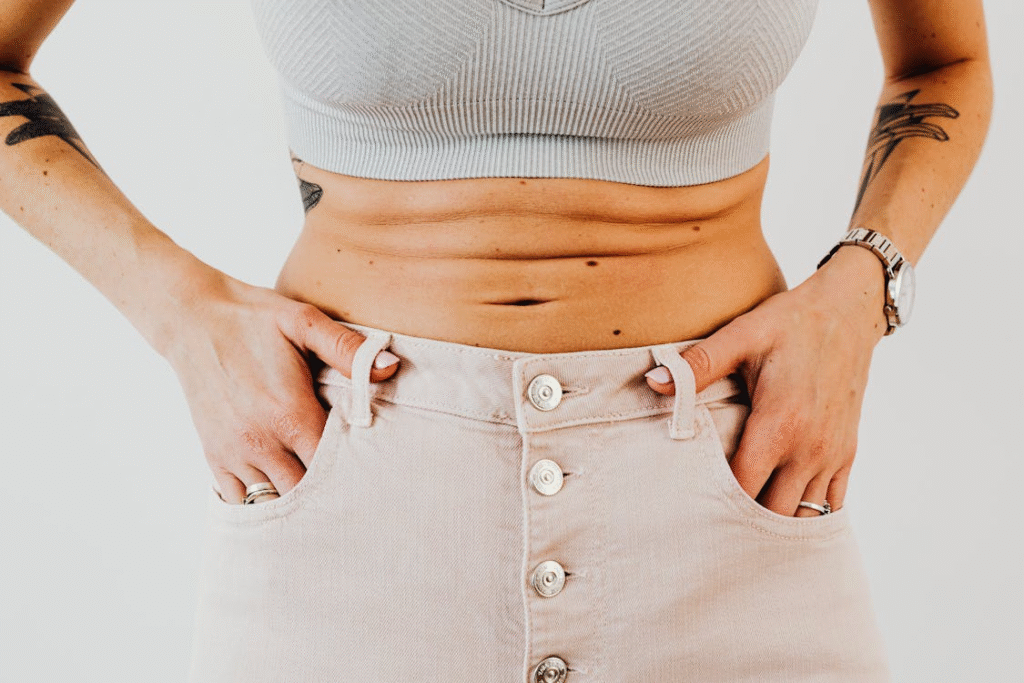
Artificial sweeteners like sucralose and saccharin can disrupt gut bacteria, increasing inflammation and fat storage.
Since your gut health is directly linked to metabolism, these changes may slow down fat-burning and promote central obesity.
🕒 4. Long-Term Study Findings
A 2023 review from the Journal of the American Heart Association found that people who drink diet soda regularly tend to have larger waistlines and higher belly fat percentages — even when calorie intake was controlled.
💡 Bottom line: Diet soda might not make you gain weight overnight, but over time it can quietly affect your metabolism and belly fat distribution.
🥤 5. Better Alternatives to Diet Soda
If you want to cut sugar but avoid the side effects of diet soda, try these instead:
- Sparkling water with lemon or cucumber
- Green tea or iced herbal tea (unsweetened)
- Infused water (mint + berries)
- Kombucha for gut health support
These keep you hydrated and satisfied without tricking your body’s metabolism.

🧩 Related Questions (FAQ Schema for SEO)
Q1: Can diet soda really make you gain belly fat?
Yes, long-term use may affect insulin response and gut health, both of which contribute to fat storage around the belly.
Q2: Is diet soda better than regular soda for weight loss?
It’s lower in calories, but over time it can trigger cravings and insulin resistance — so it’s not an ideal long-term solution.
Q3: Which diet soda is the healthiest option?
No soda is truly “healthy,” but drinks sweetened with stevia or monk fruit are slightly better than those with aspartame or sucralose.
Q4: How can I stop craving diet soda?
Start replacing one drink a day with sparkling water or green tea, and increase magnesium-rich foods — they reduce sugar cravings naturally.
🏁 Conclusion
Diet soda might seem harmless, but over time it can interfere with metabolism, increase cravings, and disrupt gut health — all of which make belly fat harder to lose.
If you’re trying to flatten your stomach, ditching diet soda could be one of the simplest yet most powerful changes you can make.
💡 Bonus Tip:
If you’re trying to lose stubborn belly fat, focus on your overall metabolism and mineral balance — not just cutting calories.
👉 Check out Why Is Belly Fat So Hard to Lose to understand the real reasons behind slow fat loss.
And don’t miss Does Magnesium Help You Lose Belly Fat to see how this essential mineral supports metabolism and reduces cravings naturally.