
Many women believe perimenopause only starts in the late 40s.
But for a growing number, hormonal changes begin much earlier — sometimes around age 35.
Because periods may still be regular, these early signs are often ignored, misdiagnosed, or blamed on stress.
If you’re in your mid-30s and noticing unexplained changes in sleep, mood, skin, or weight, hormones may already be shifting.
Can Perimenopause Really Start at 35?
Yes — for some women.
Perimenopause doesn’t start on a calendar date.
It starts when ovarian hormone production becomes less predictable, especially progesterone.
Early perimenopause is more likely if you have:
- Chronic stress
- A history of hormonal birth control
- Thyroid or metabolic issues
- Family history of early menopause
📎 Read More: Post-Pill Hormone Reset
1. Subtle Sleep Changes (Often the First Sign)
Instead of classic insomnia, early perimenopause may cause:
- Light, unrefreshing sleep
- Early-morning wake-ups
- Feeling wired but tired
These changes often appear years before cycle irregularity.
📎 Read More: Perimenopause Insomnia: Why You Wake Up at 3 AM
📎 Read More: Cortisol Crash in the Afternoon
2. Shorter Cycles or Heavier PMS
One of the earliest hormonal shifts is progesterone decline.
This may show up as:
- Shorter menstrual cycles
- Heavier PMS symptoms
- Increased irritability or anxiety before periods
📎 Read More: Progesterone Crash Anxiety in Your Late 30s
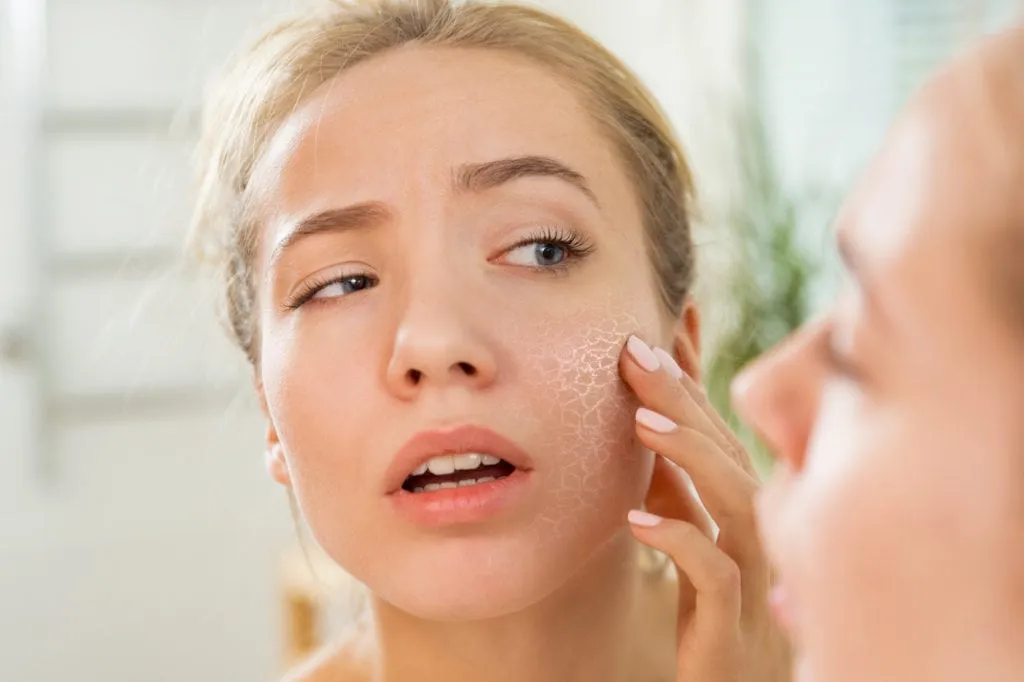
3. Skin, Hair, and Texture Changes
You may notice:
- Drier skin
- Increased itching
- Hair shedding or texture changes
- New sensitivity to products
These are often dismissed as aging — but hormones play a major role.
📎 Read More: Perimenopause Itch & Dryness: Skin Changes Caused by Hormones
📎 Read More: Itchy Ears During Perimenopause: Causes & Simple Relief
4. Anxiety That Feels “Hormonal,” Not Situational
Many women describe:
- Sudden anxiety without clear triggers
- Increased sensitivity to stress
- Feeling overwhelmed more easily
This often reflects hormone–cortisol interaction, not a mental health disorder.
📎 Read More: Cortisol Symptoms
📎 Read More: Insulin Resistance & Depression
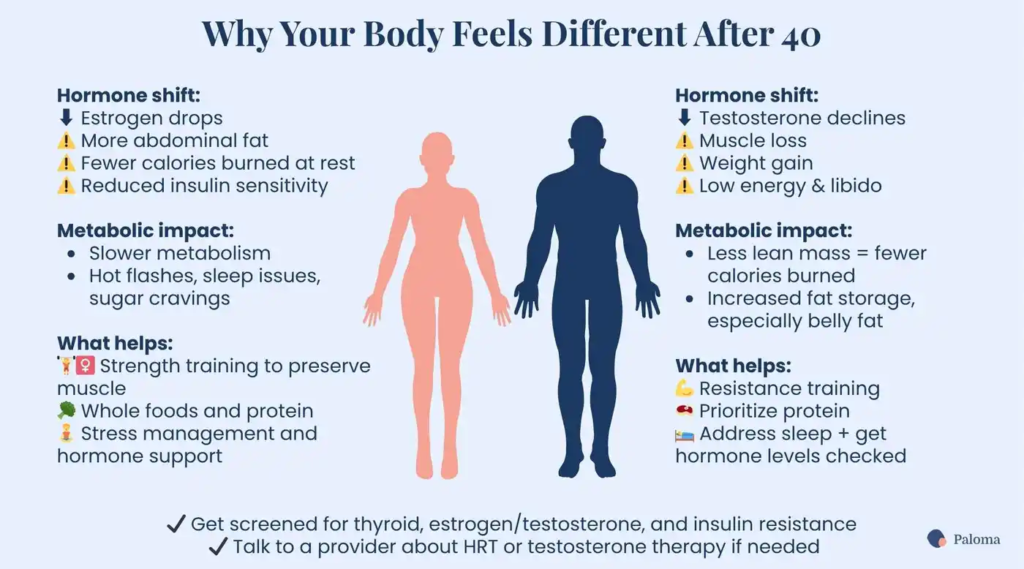
5. Weight Gain Despite No Lifestyle Changes
Early hormonal shifts can:
- Slow metabolic flexibility
- Increase insulin resistance
- Change fat distribution
This can happen even with clean eating and regular exercise.
📎 Read More: Stress Weight Gain (Even with Clean Eating)
📎 Read More: Hormonal Belly Fat (Estrogen vs Cortisol)
Why These Signs Are Often Missed
Early perimenopause is frequently misattributed to:
- Work stress
- Parenting fatigue
- Aging
- Anxiety
Because cycles may still look “normal,” hormones aren’t considered — delaying proper support.
📎 Read More: Why Perimenopause Feels Like a Second Puberty
What Helps in Early Perimenopause
Early awareness makes a big difference.
Helpful steps include:
- Supporting sleep and circadian rhythm
- Managing stress and cortisol load
- Stabilizing blood sugar
- Avoiding extreme dieting
📎 Read More: Cortisol Diet / 7-Day Plan
📎 Read More: Protein Timing for Hormone Balance
When to Seek Professional Guidance
Consider evaluation if:
- Symptoms are worsening
- Quality of life is affected
- Sleep or mood is consistently disrupted
Early support can prevent more severe symptoms later.
Related Reading
📎 Read More: Perimenopause Insomnia: Why You Wake Up at 3 AM
📎 Read More: Perimenopause Itch & Dryness: Skin Changes Caused by Hormones
📎 Read More: Stress Weight Gain (Even with Clean Eating)
📎 Read More: Wearable Metrics That Reveal Hormone Imbalance
Health Disclaimer
This article is for general wellness education only.
For persistent or severe symptoms, consult a licensed healthcare professional.