Many women experience a strange pattern:
- PMS anxiety
- Sudden flushing
- Random itching
- Breast tenderness
- Bloating
- Head pressure
- Heart racing
- Feeling “on edge” even when life is fine
These symptoms often get worse around ovulation, PMS, high-stress weeks, or perimenopause.
The reason?
A powerful biological cycle called The Estrogen–Histamine Loop.
This loop makes estrogen raise histamine, and histamine raise estrogen — creating a cycle of anxiety, inflammation, and overreaction.
Let’s break it down simply.
⭐ What Is the Estrogen–Histamine Loop? (Simple)
Estrogen increases histamine.
Histamine increases estrogen.
So when one rises → the other rises too → symptoms intensify.
This explains why symptoms flare:
- During ovulation
- During PMS
- During perimenopause
- During stress
- After certain foods
- During gut inflammation
⭐ How Estrogen Raises Histamine
1. Estrogen Reduces DAO Enzyme
DAO breaks down histamine.
When estrogen rises, DAO drops → histamine builds up.
📎 Read More: DAO Deficiency & Histamine Anxiety
2. Estrogen Triggers Mast Cells
Mast cells release histamine when activated.
Estrogen makes mast cells MORE sensitive, causing:
- Flushing
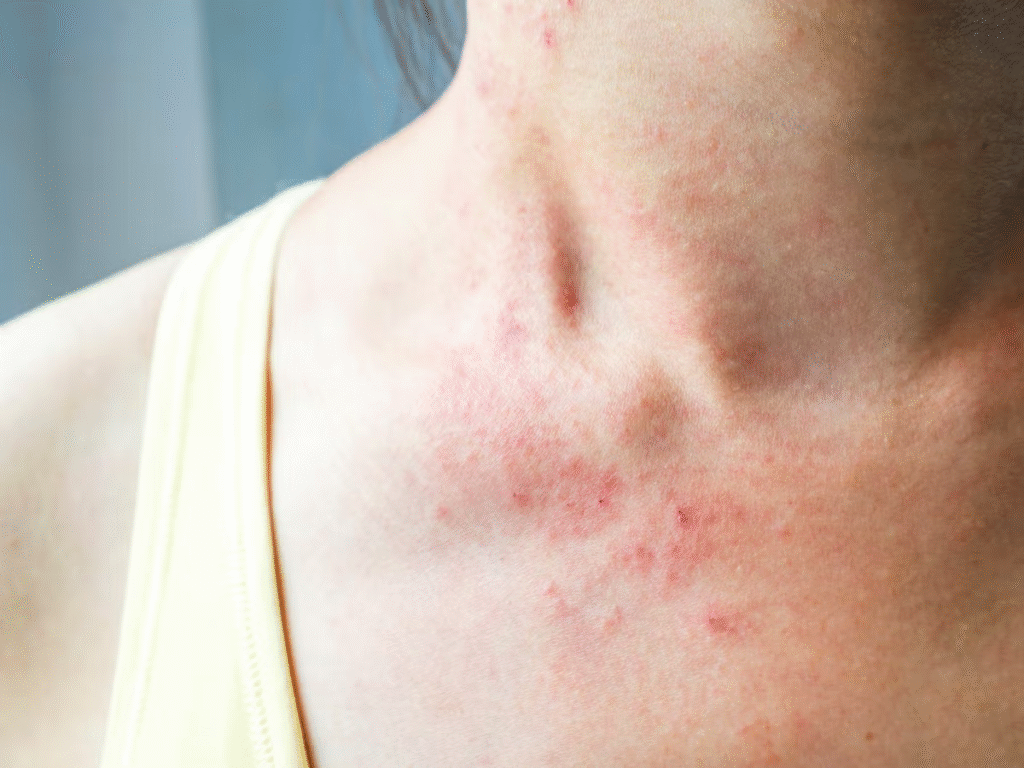
- Skin itching
- Anxiety
- Head pressure
📎 Read More: The Estrogen Window for Metabolism & Brain Health
3. Estrogen Increases Histamine Receptors
More receptors = stronger reactions.
Symptoms become stronger even without a big trigger.
⭐ How Histamine Raises Estrogen
Most women don’t know this part:
1. Histamine Stimulates Ovaries
Histamine → ovaries produce MORE estrogen.
So high histamine = high estrogen.
2. Histamine Slows Estrogen Clearance
Gut inflammation slows estrogen detox.
📎 Read More: The Gut–Hormone Connection
3. Histamine Increases Cortisol
High cortisol reduces liver detox → estrogen stays higher longer.
📎 Read More: 3 AM Cortisol Spike
⭐ Symptoms of the Estrogen–Histamine Loop
Hormonal + Histamine Combo Symptoms
- Anxiety without trigger
- Heart pounding
- Flushing or warmth
- Itchy skin or hives
- PMS mood swings
- Breast tenderness
- Bloating
- Head pressure
- Fluid retention
- Fast heartbeat after eating
- Insomnia
- Seasonal allergies worsening around cycle days
If you have 5+ symptoms, your estrogen–histamine loop is active.
⭐ When Symptoms Get Worse in Your Cycle
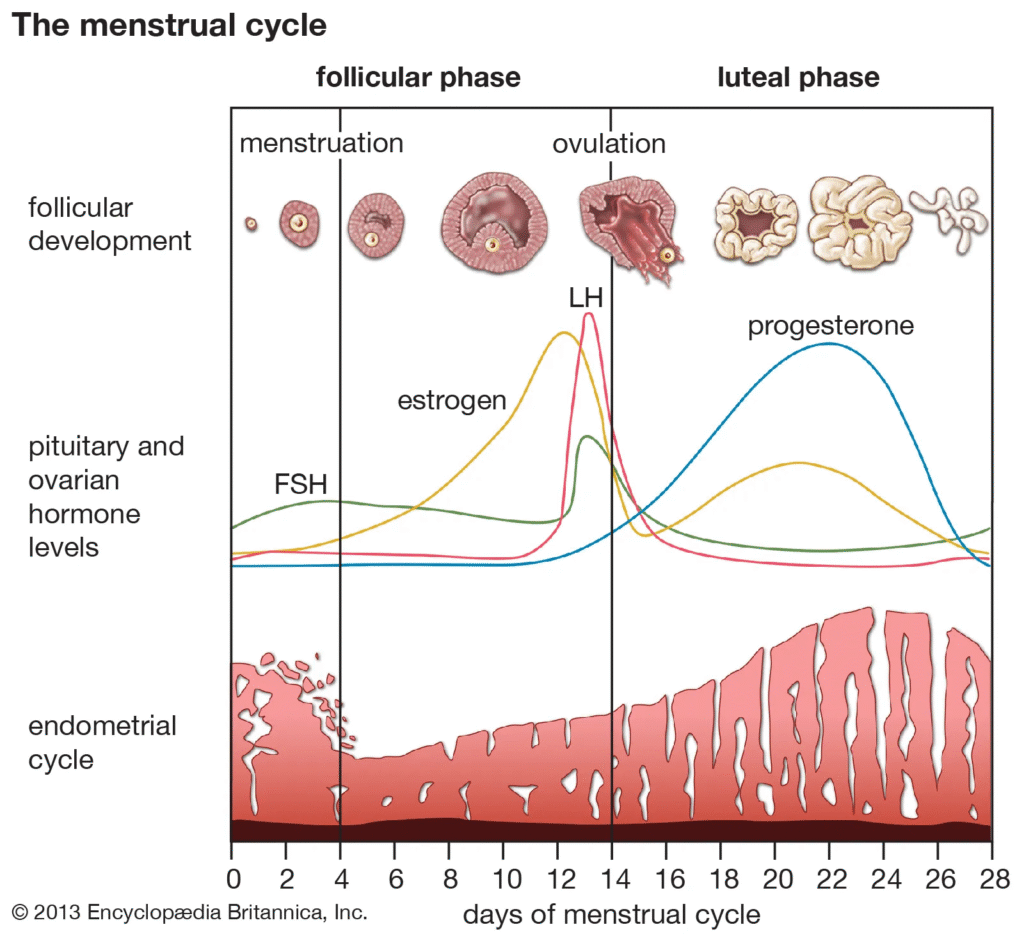
1. Ovulation (Day ~12–15)
Estrogen peaks → histamine spikes.
2. PMS (3–5 Days Before Period)
Estrogen drops fast → DAO drops → histamine rises.
3. Perimenopause
Estrogen becomes unpredictable, causing:
- Anxiety waves
- Hot flashes
- Night waking
- Histamine intolerance
📎 Read More: Perimenopause Brain Fog vs Early Dementia
⭐ Food & Lifestyle Triggers That Activate the Loop
High-Histamine Foods
- Wine
- Aged cheese
- Fermented foods
- Avocado
- Spinach
- Tomatoes
- Leftovers
Environmental Triggers
- Mold
- Strong smells
- Salons/chemical exposure
📎 Read More: Occupational Toxins & Metabolism
Stress
Cortisol ↑ → DAO ↓ → histamine ↑.
Gut Problems
Leaky gut = low DAO production.
📎 Read More: Mold Toxicity & Unexplained Weight Gain
⭐ How to Break the Estrogen–Histamine Loop
1. Support DAO (The Enzyme That Lowers Histamine)
Nutrients required:
- Magnesium
- Vitamin C
- Vitamin B6
- Copper
📎 Read More: Does Magnesium Help You Lose Belly Fat
2. Reduce High-Histamine Foods Temporarily
Just 2–3 weeks can reduce symptoms.
3. Heal the Gut Lining
DAO is produced in the gut → healing gut = reducing symptoms.
📎 Read More: Gut Health and Belly Fat
4. Stabilize Mast Cells
Natural stabilizers:
- Quercetin
- Vitamin C
- Ginger
- Green apples
5. Balance Estrogen
Support estrogen detox with:
- Cruciferous vegetables
- Fiber
- Hydration
- Sweating
- Light movement
📎 Read More: Zone 2 Cardio & Metabolic Health
⭐ Bonus: The “Two-Step Relief Method” (Works Fast)
Step 1: Remove the trigger:
Wine, chocolate, aged foods, perfume, hot shower.
Step 2: Add relief tools:
- Magnesium
- Vitamin C
- Cold face rinse
- Deep breathing
- Light walk
Works within 15–25 minutes for many women.
⚠️ Health Disclaimer
This article is for educational purposes only. Consult a licensed provider if you have severe allergies, chronic anxiety, or menstrual cycle irregularities.