GLP-1 medications like Ozempic, Wegovy, and Mounjaro are changing lives.
Weight drops. Cravings calm down. Blood sugar improves.
But for many people, one side effect quietly steals the joy:
constipation that just won’t budge.
Days go by without relief.
Your stomach feels heavy.
You start wondering if something is wrong with you.
Here’s the truth:
You’re not broken — your digestion is just moving slower than before.
And the good news?
This is one of the most fixable GLP-1 side effects.
🔎 Key Takeaways (TL;DR)
- GLP-1 drugs slow digestion, making stool drier and harder to pass
- Constipation usually comes from dehydration, low electrolytes, and sudden fiber changes
- With the right routine, most people feel relief in 7–14 days — without harsh laxatives
Why GLP-1 Medications Cause Constipation (Body-First Explanation)
GLP-1 drugs work by slowing gastric emptying — how fast food leaves your stomach.
This helps you:
- Feel full longer
- Eat less
- Lose weight steadily
But there’s a trade-off.
When digestion slows too much:
- Food sits longer in the intestines
- More water is pulled out of stool
- Stool becomes dry, hard, and difficult to move
So constipation on GLP-1 isn’t random.
It’s the direct result of how these drugs change gut timing.
📎 Read More: Stress Weight Gain (Even With Clean Eating)
Why This Constipation Feels Different
This isn’t normal “missed a day” constipation.
People on GLP-1 describe it as:
- Pressure without movement
- The urge to go, but nothing happens
- Bloating that doesn’t ease after bathroom trips
That’s because this is motility-related constipation, not diet-related alone.
📎 Read More: Wired But Tired at Night: Why Your Cortisol Is Spiking
The GLP-1 Constipation Fix (Body-First Approach)
You don’t need extreme cleanses.
You need to restore rhythm.
1️⃣ Hydration + Electrolytes (The Hidden Fix)
Many people drink water but still stay dehydrated because:
- GLP-1 drugs reduce thirst signals
- Low sodium and potassium stop water from being absorbed properly
What helps:
- Add electrolytes to one drink per day
- Sip steadily instead of chugging
- Aim for pale-yellow urine, not clear
This alone fixes constipation for many users.
📎 Read More: Hormonal Belly Fat (Estrogen vs Cortisol)
2️⃣ Fiber — Start Low and Go Slow
Biggest mistake: jumping straight to huge fiber doses.
That causes:
- Gas
- Painful bloating
- More pressure without movement
Better method:
- Start with soluble fiber (oats, berries, chia)
- Increase every 4–5 days
- Add insoluble fiber later (vegetables)
3️⃣ Magnesium — The GLP-1 Community Favorite
Many users find relief with:
- Magnesium citrate
- Magnesium oxide
These:
- Relax intestinal muscles
- Draw water into stool
- Support nighttime bowel movements
⚠️ Always start low and consult your provider if you have kidney issues or take medications.
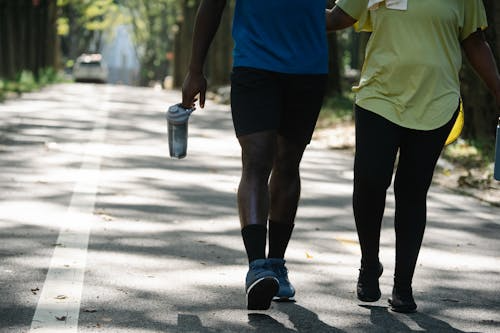
4️⃣ Walk After Meals (Not Intense Workouts)
A simple 10–15 minute walk:
- Stimulates digestion
- Activates colon movement
- Reduces bloating
This works better than heavy gym sessions.
5️⃣ Stool Softeners vs Laxatives
| Option | Best Use | Risk |
|---|---|---|
| Stool softeners | Daily support | Low |
| Osmotic laxatives | Short-term help | Moderate |
| Stimulant laxatives | Emergency only | Dependency risk |
The goal is regularity, not forcing.
Is This Normal? (Yes — Extremely Common)
People often say:
- “I’m losing weight but feel blocked.”
- “I never had constipation before this.”
- “It started right after my dose went up.”
That pattern is classic GLP-1 adjustment, not something wrong with you.
📎 Read More: Why Perimenopause Feels Like a Second Puberty
When Constipation Becomes a Medical Issue
Call your doctor if you have:
- No bowel movement for 3–4 days
- Severe abdominal pain
- Vomiting or extreme bloating
These can signal bowel obstruction — rare, but serious.
Related Reading
📎 Read More: Stress Weight Gain (Even With Clean Eating)
📎 Read More: Hormonal Belly Fat (Estrogen vs Cortisol)
📎 Read More: Wired But Tired at Night: Why Your Cortisol Is Spiking
📎 Read More: Why Perimenopause Feels Like a Second Puberty
Health Disclaimer
This article is for general wellness education only and does not replace medical advice.
Always consult a licensed healthcare professional before changing medication or supplements.