
Glyphosate — the active ingredient in Roundup — is the most widely used herbicide in the world.
It’s found in:
- Wheat
- Oats
- Corn
- Soy
- Beans
- Breakfast cereals
- Packaged snacks
The problem?
Glyphosate damages the gut lining, increases inflammation, disrupts hormones, and slows metabolism — especially for women dealing with perimenopause, thyroid shifts, or stubborn belly fat.
Let’s break this down simply.
⭐ What Is Glyphosate? (Simple Explanation)
Glyphosate is a weed-killer used heavily in agriculture.
It ends up in food through:
- Crop spraying
- Soil residue
- Food processing
- Animal feed
Even “healthy” foods like oats and lentils often test high in glyphosate.
Once inside the body, the gut lining takes the biggest hit.
⭐ How Glyphosate Damages the Gut Lining
1. Increased Intestinal Permeability (“Leaky Gut”)
Glyphosate weakens proteins that hold gut cells together.
This allows food particles + toxins to leak into the bloodstream.
This triggers:
- Bloating
- Food sensitivities
- Inflammation
- Fatigue
📎 Read More: Gut Health and Belly Fat
2. Disrupted Gut Bacteria
Glyphosate kills good bacteria, allowing bad bacteria to overgrow.
Effects include:
- Slower metabolism
- Poor digestion
- Mood changes
- Constipation or loose stools
📎 Read More: The Gut–Hormone Connection
3. Increased Inflammation
A damaged gut releases inflammatory markers throughout the body.
This worsens:
- Joint pain
- Brain fog
- PMS
- Weight retention
⭐ How Glyphosate Affects Hormones
1. Thyroid Hormone Interference
Inflammation + gut damage reduce conversion of T4 → T3.
Symptoms:
- Low energy
- Weight gain
- Hair thinning
- Feeling cold
📎 Read More: Metabolic Hypothyroidism
2. Cortisol Dysregulation
When the gut is inflamed, cortisol rises.
High cortisol causes:
- Belly fat
- Sleep disruption
- Cravings
- Anxiety
📎 Read More: 3 AM Cortisol Spike
3. Estrogen Imbalance
The gut regulates estrogen breakdown.
When glyphosate disrupts gut bacteria → estrogen builds up.
Symptoms:
- PMS
- Mood swings
- Bloating
- Breast tenderness
📎 Read More: The Estrogen Window for Metabolism & Brain Health
4. Insulin Resistance
Inflammation reduces insulin sensitivity.
This leads to:
- Faster fat storage
- Afternoon crashes
- Sugar cravings
- Stubborn belly fat
📎 Read More: Healthy Foods That Spike Blood Sugar
⭐ Common Signs Glyphosate May Be Affecting You
- Unexplained bloating
- Gas after eating
- New food sensitivities
- Constipation or loose stools
- Fatigue
- Trouble losing weight
- Puffy face
- PMS swings
- Brain fog
- Joint pain
- Poor sleep
- Sugar cravings
If you have multiple symptoms → gut lining damage is likely.
⭐ Foods Highest in Glyphosate
- Oats
- Wheat products (bread, pasta, crackers)
- Breakfast cereals
- Tortillas
- Chickpeas
- Lentils
- Soy foods
- Corn snacks
- Conventionally raised meat
- Frozen ready meals
“Healthy” labels don’t protect you — glyphosate contamination is common even in “natural” products.
⭐ How to Reduce Glyphosate Exposure
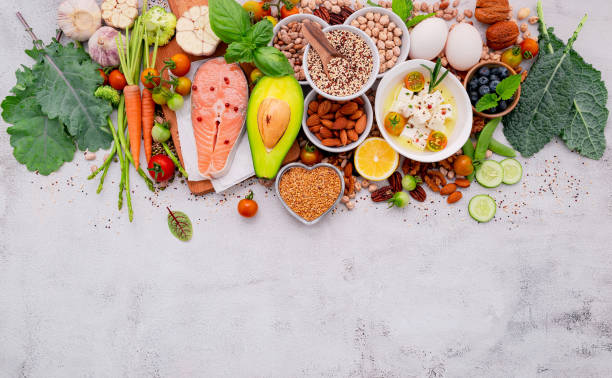
1. Choose Organic When Possible
Especially for:
- Oats
- Wheat
- Lentils
- Corn
- Soy
2. Rinse Produce Thoroughly
Reduces surface-level residues.
3. Avoid Ultra-Processed Snacks
They have the highest concentrations.
4. Choose Grass-Fed or Organic Meat
Animals fed glyphosate-contaminated grains pass it through their tissue.
5. Check Cereal Labels
Many popular brands test high for glyphosate.
⭐ How to Repair Your Gut Lining After Glyphosate Exposure
1. Add Prebiotic Fiber
Supports beneficial gut bacteria.
2. Eat Fermented Foods
- Yogurt
- Kefir
- Kimchi
- Sauerkraut
3. Include Gut-Healing Foods
- Bone broth
- Collagen
- Cooked vegetables
- Omega-3 foods
4. Manage Cortisol
Lower stress = better gut healing.
📎 Read More: Zone 2 Cardio & Metabolic Health
⭐ Bonus: The “Swap 3 Foods” Method
Swap these three foods and glyphosate exposure drops instantly:
- Regular oats → Organic oats
- Wheat pasta → Brown rice pasta
- Soy oil snacks → Avocado oil snacks
Small swap → big impact.
⚠️ Health Disclaimer
This article is for educational purposes only. Consult a licensed medical professional if you experience severe gut issues or suspected toxin exposure.