
Your gut doesn’t just digest food — it directly influences your hormones, belly fat, mood, sleep, and even your cortisol levels. Here’s how fixing your gut can help balance your hormones naturally.
🧠 Why Your Gut and Hormones Are Connected
Inside your gut lives over 100 trillion bacteria, known as the gut microbiome.
These microbes play a major role in:
- Hormone metabolism
- Cortisol regulation
- Estrogen balance
- Inflammation
- Belly fat storage
- Mood and sleep
If your gut is inflamed or imbalanced, your hormones become imbalanced too.
🌸 1. How Gut Health Impacts Estrogen (The Estrobolome)
Your gut contains a specific group of bacteria called the estrobolome.
This group is responsible for:
- Breaking down estrogen
- Keeping estrogen levels stable
- Preventing estrogen dominance
When the estrobolome is healthy:
✔ Estrogen cycles smoothly
✔ PMS improves
✔ Mood is more stable
✔ Belly bloating decreases
When the estrobolome is unhealthy:
❌ Estrogen increases or decreases unpredictably
❌ PMS worsens
❌ Irregular periods
❌ Weight gain around hips and belly
This is extremely common in women ages 25–45.
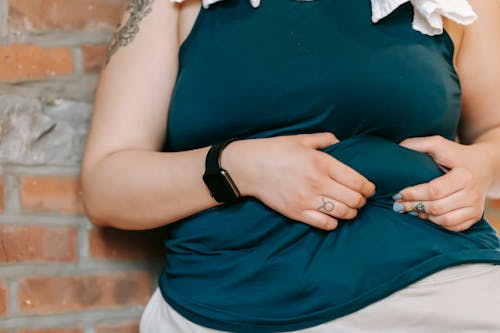
🔥 2. How Gut Health Affects Cortisol (Your Stress Hormone)
Your gut and brain talk continuously through the gut-brain axis.
A healthy gut can lower cortisol, while an unhealthy gut can keep it chronically elevated.
If your gut is imbalanced, you may notice:
- Feeling wired but tired
- Belly fat that won’t go away
- Poor sleep
- Brain fog
- Food cravings
- Anxiety
This is why fixing your gut often reduces cortisol naturally.
🌱 3. Gut Inflammation = Hormone Chaos
When your gut lining becomes inflamed or “leaky,” toxins move into the bloodstream and trigger inflammation.
Inflammation → high cortisol → stubborn belly fat → hormone imbalance.
This cycle continues unless gut health is restored.
🍽️ 4. Foods That Support Gut & Hormone Balance
Probiotic-Rich Foods:
- Greek yogurt
- Kefir
- Kimchi
- Sauerkraut
- Pickles (fermented)
They help repopulate healthy gut bacteria.
Prebiotic Foods:
- Oats
- Bananas
- Apples
- Green onions
- Garlic
- Flax seeds
They feed good bacteria and improve estrogen metabolism.
Digestive-Friendly Healthy Fats:
- Avocado
- Olive oil
- Pumpkin seeds
- Flax oil
Great for cortisol and hormone production.
🚫 Foods That Harm Gut & Hormone Health
- Excess sugar
- Processed foods
- Alcohol
- Seed oils (high omega-6)
- Artificial sweeteners
- Gluten (if sensitive)
These can spike inflammation → stress hormones → more belly fat.
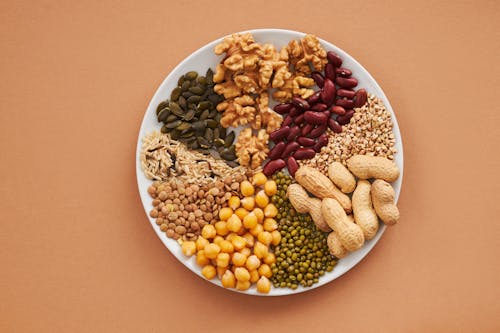
🧘♀️ 5. How to Heal Your Gut for Better Hormones
✔ Add one probiotic food daily
Even 2 tbsp yogurt or ½ cup kefir helps.
✔ Increase fiber slowly
This supports estrogen balance but prevents bloating.
✔ Consume freshly ground flax seeds
Great for gut + estrogen metabolism.
✔ Reduce caffeine after 1 PM
Caffeine + poor gut = high cortisol.
✔ Sleep 7–8 hours
Lack of sleep directly harms gut bacteria and spikes cortisol.
✔ Walk 20–30 minutes daily
Walking boosts gut motility and lowers stress hormones.
💡 Signs Your Gut Is Messing With Your Hormones
- Constant bloating
- Irregular periods
- Mood swings
- PMS or PMDD
- Fatigue
- Belly fat
- Poor sleep
- Sugar cravings
- Skin issues (acne, eczema)
If you checked 3+ of these → gut support can help.
⭐ Bonus: Best Simple Routine for Gut–Hormone Balance
Try this for 7 days:
- Morning: Warm lemon water
- Breakfast: Protein + fiber + flax
- Midday: 20-minute walk
- Afternoon: Avoid caffeine
- Dinner: Probiotic food + healthy fats
- Night: Magnesium glycinate + light stretching
Most women feel a difference within 1–2 weeks.
🔗Related Posts You May Find Helpful
- Gut Health and Belly Fat
- How Stress Leads to Belly Fat
- Why Belly Fat Is So Hard to Lose
- 10 Signs You Have High Cortisol
- Seed Cycling for Perimenopause
📝 FAQs
1. Can gut health really affect hormones?
Yes — your gut controls estrogen metabolism and cortisol regulation.
2. Can healing my gut reduce belly fat?
Often yes. Lower inflammation + lower cortisol = easier fat loss.
3. Does gut health impact perimenopause symptoms?
Absolutely. A healthy gut supports stable estrogen during hormonal shifts.
4. How long does gut healing take?
Most notice improvements in 2–6 weeks, deeper changes in 3 months.
⚠️ Medical Disclaimer
This content is for informational purposes only and is not a substitute for professional medical advice, diagnosis, or treatment. Always consult your doctor or a qualified healthcare provider before making changes to your health, diet, supplements, or exercise routine.