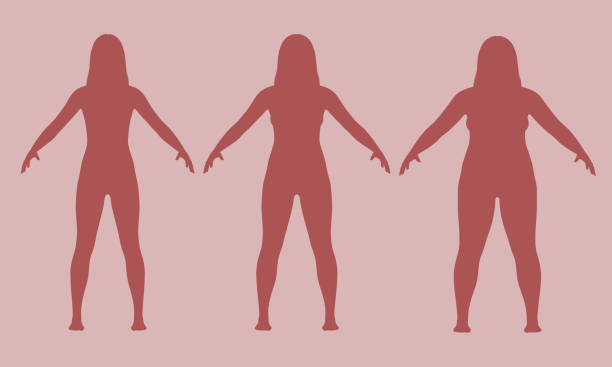
If your belly fat feels stubborn, and no diet seems to work, you might be dealing with a hormonal belly — not just a calorie problem.
Here’s a simple, science-backed guide to help you understand the three most common belly types in the US:
- Insulin Resistance Belly
- Cortisol (Stress) Belly
- Thyroid (Slow Metabolism) Belly
Let’s break down shape, symptoms, and how to identify which one you have.
🔍 Why Belly Fat Comes in Different “Types”
Your body stores fat differently depending on which hormone is out of balance:
- Insulin → fat storage & blood sugar
- Cortisol → stress hormone
- Thyroid hormones → metabolism & energy
When any of these go off balance, fat starts storing in predictable patterns.
1. Insulin Resistance Belly (The Lower Belly “Shelf”)
This belly type is extremely common in the US because of:
- Blood sugar spikes
- Processed food
- Sedentary lifestyle
- Stress eating
📌 Body Shape
- Fat sits low in the belly (below the navel)
- Looks like a lower belly pouch / front shelf
- Hips & thighs may also gain fat
- Belly feels firm + inflamed
📌 Key Symptoms
- Sugar cravings
- Afternoon crashes
- Acne or skin tags
- Weight gain around hips + lower belly
- Constant hunger
- Feeling tired after high-carb food
📌 Why It Happens
Cells stop responding to insulin → sugar stays in the blood → body stores it as fat in the lower belly.
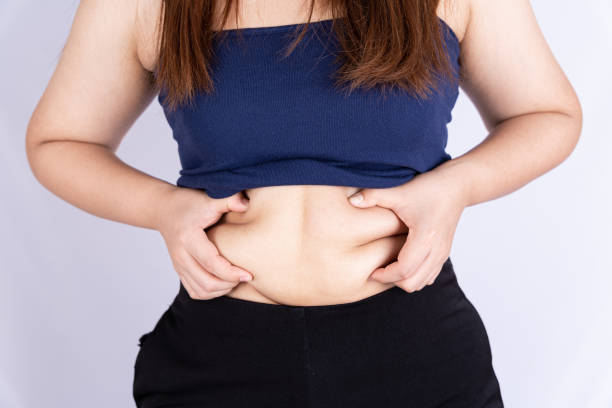
2. Cortisol Belly (The Upper Belly “Hard Bloat Look”)
This belly type comes from chronic stress and high cortisol.
📌 Body Shape
- Fat sits around the upper belly / waistline
- Looks hard, swollen, bloated
- Arms + legs stay thin
- Belly sticks outward even when you “suck in”
📌 Key Symptoms
- Tired at 2 PM
- Wired at night
- Cravings for salty or crunchy foods
- Anxiety or poor sleep
- Belly fat increasing even with clean diet
📌 Why It Happens
High cortisol → stores visceral fat (deeper belly fat around organs) which causes:
- Bigger waist
- Harder belly texture
- Stubborn upper belly fat
3. Thyroid Belly (The Puffy, Soft Belly)
Slow thyroid (hypothyroidism or Hashimoto’s) slows metabolism.
📌 Body Shape
- Soft, puffy belly
- Fat gained evenly (not just belly)
- Body looks swollen / water retention
- Weight gain everywhere, not only stomach
📌 Key Symptoms
- Fatigue even after sleep
- Feeling cold often
- Dry skin, hair thinning
- Slow digestion, constipation
- Unexplained weight gain
- Brain fog
📌 Why It Happens
Thyroid controls metabolism → low thyroid = slow calorie burn → fat + water retention.

How to Tell Which Belly Type You Have (Quick Test)
👉 If your belly is LOW and firm → Insulin Resistance Belly
👉 If your belly is HIGH and hard → Cortisol Belly
👉 If your belly is soft, puffy, and whole body gains → Thyroid Belly
When You Can Have More Than One Belly Type
Most Americans (especially 30–55) have a combo:
- Stress → cortisol high
- Poor sleep → insulin high
- Thyroid gets slow → metabolism low
You can easily have:
✔ Cortisol + insulin
✔ Thyroid + insulin
✔ Cortisol + thyroid
How to Support Each Belly Type
1. For Insulin Resistance Belly
- High-protein breakfast
- Walk 10 minutes after meals
- Avoid sugary snacks
- Add fiber with lunch/dinner
2. For Cortisol Belly
- Delay coffee
- Reduce stress loads
- Prioritize sleep
- Avoid intense workouts
3. For Thyroid Belly
- Eat enough calories
- Support gut health
- Prioritize quality sleep
- Manage inflammation
FAQs
Q1: Can stress cause all three belly types?
Yes — stress affects insulin + thyroid + cortisol.
Q2: Which belly type is hardest to lose?
Cortisol belly — because visceral fat is hormone-driven.
Q3: Do men and women get different belly types?
No — all three can occur in both, but thyroid belly is more common in women.
⭐ Related Articles links
- How Stress Leads to Belly Fat
- Why Belly Fat Is So Hard to Lose
- Gut Health and Belly Fat – What’s the Real Connection?
- Low-Impact Exercises for Cortisol Belly
- Seed Cycling for PCOS
Disclaimer:
This article is for informational purposes only and is not medical advice. Always consult a qualified healthcare provider before making changes to your diet, supplements, or lifestyle, especially if you have underlying health conditions.