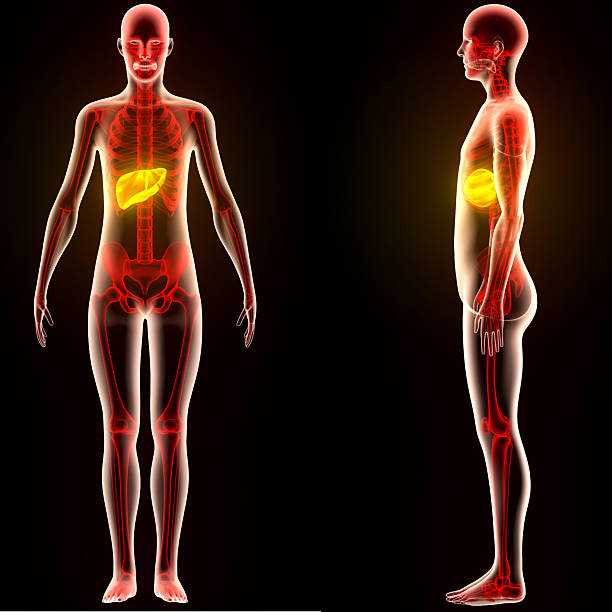
Your liver is one of the most underrated organs in your metabolism.
It processes nutrients, filters toxins, converts carbs into fuel, and even helps regulate hormones.
But when the liver gets overloaded — because of stress, inflammation, poor sleep, or processed foods — your metabolism slows down fast.
Here are 7 early liver signs that may be affecting your energy, belly fat, and weight loss.
1. You Gain Weight Easily (Especially Around the Belly)
A stressed liver struggles to:
- Process sugars
- Burn fat
- Regulate hormones
This leads to belly fat, even if your calories haven’t changed.
If your stomach feels “inflamed” or puffy → your liver might be struggling.
2. Constant Fatigue, Even After Sleeping
If you’re waking up tired or crashing mid-day, the liver may not be converting nutrients into energy efficiently.
This often feels like:
- Low motivation
- Slow mornings
- Afternoon slumps
(Not all fatigue is thyroid — the liver plays a big role too.)
3. Bloating After Meals (Especially Fatty Foods)
A sluggish liver slows down bile production, which is needed for fat digestion.
Signs:
- Bloating
- Heaviness after meals
- Gas
- Feeling “full” quickly
This is one of the most common liver–metabolism symptoms.
4. Cravings for Sugar or Salty Snacks
When your liver struggles to regulate blood sugar, cravings hit harder.
You might notice:
- Sweet cravings at night
- Energy dips → reaching for snacks
- Feeling shaky when hungry
Blood sugar swings are directly tied to liver function.

5. Hormonal Symptoms (Bloating, PMS, Belly Fat)
Your liver helps break down hormones like:
- Estrogen
- Cortisol
- Insulin
When it’s backed up, you may experience:
- Hormonal belly
- PMS cramps
- Breast tenderness
- Mood swings
- Water retention
Women notice this faster, but men are affected too.
6. Skin Changes (Acne, Itchy Skin, Redness)
Liver overload can push toxins to the skin.
Common signs:
- Breakouts
- Red patches
- Itchy skin
- Dull complexion
This is why many people see skin improvement when liver health improves.
7. Brain Fog and Trouble Concentrating
A stressed liver affects glucose regulation → your brain doesn’t get stable fuel.
You may feel:
- Memory issues
- Slow thinking
- Difficulty focusing
- Afternoon brain fog
This sign is often missed but very common.
Why Your Liver Affects Your Metabolism So Much
Because it controls:
- Blood sugar
- Hormone clearance
- Fat burning
- Nutrient conversion
- Digestion
- Detoxification
If your liver slows down → your metabolism slows down.

How to Support Your Liver
1. Eat 20–30g Fiber Daily
Helps remove toxins and balance estrogen.
2. Add Liver-Supportive Foods
- Berries
- Leafy greens
- Lemon water
- Flax seeds
- Eggs (choline)
3. Cut Back on Sugary Snacks
Sugar overload stresses the liver more than fat.
4. Walk 10 Minutes After Meals
Improves insulin sensitivity & lowers fatty liver risk.
5. Stay Hydrated
Helps flush metabolites and reduce inflammation.
When to See a Doctor
If you have:
- Constant fatigue
- Unexplained weight gain
- Upper right abdominal discomfort
- Persistent bloating
- Extreme cravings
You may need a liver enzyme test or ultrasound.
FAQs
Q1: Can liver issues cause belly fat?
Yes — poor liver function leads to insulin resistance + estrogen buildup → belly fat.
Q2: Is fatty liver reversible?
Yes, in many cases with proper diet, sleep, and lifestyle.
Q3: Can skinny people have liver issues?
Yes — it’s called lean fatty liver and is common.
⭐ Related Articles links
- Gut Health and Belly Fat – What’s the Real Connection?
- Why Belly Fat Is So Hard to Lose
- How Stress Leads to Belly Fat
- Does Magnesium Help You Lose Belly Fat?
- The Cortisol Belly Diet: 7 Foods That Lower Cortisol Naturally
Disclaimer:
This article is for informational purposes only and is not medical advice. Always consult a qualified healthcare provider before making changes to your diet, supplements, or lifestyle, especially if you have underlying health conditions.