Loneliness doesn’t only affect emotions — it also impacts the body’s stress system.
Studies show that chronic loneliness can raise:
- Cortisol
- Inflammation
- Insulin resistance risk
- Belly-fat accumulation
- Fatigue
- Poor sleep
- Emotional eating
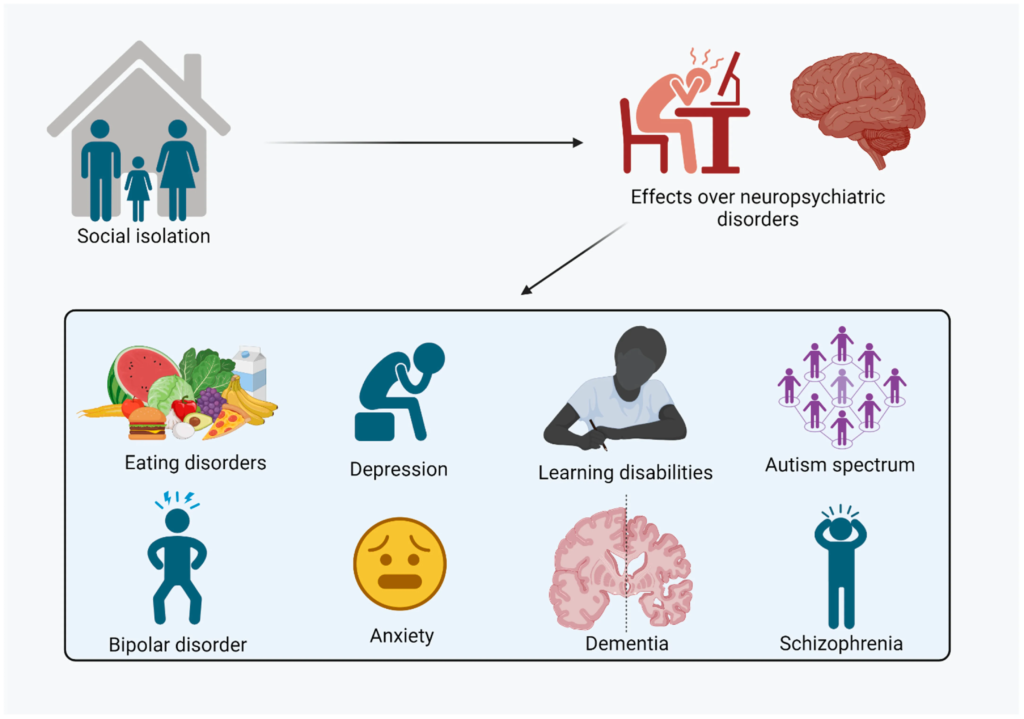
Your brain interprets loneliness as a threat.
This activates the fight-or-flight system, keeping cortisol higher than normal — especially at night.
Over time, loneliness becomes a metabolic stressor, affecting weight, cravings, and energy.
1. How Loneliness Raises Cortisol
Loneliness triggers the same pathways as psychological stress:
- The body expects danger
- Heart rate rises
- Digestion slows
- Cortisol stays elevated
- Sleep becomes shallow
Higher cortisol → more belly fat + lower daytime energy.
📎 Read More: 3 AM Cortisol Spike: Why You Wake Up & Can’t Sleep
2. Loneliness + Emotional Eating
When cortisol rises, cravings increase for:
- sugar
- salty snacks
- comfort foods
This behavior isn’t about “lack of discipline” — it’s a biological stress response.
📎 Read More: Healthy Foods That Spike Blood Sugar
3. Metabolic Slowdown From Social Isolation
Loneliness is linked to:
- Lower NEAT (daily movement)
- Lower motivation
- Fatigue
- Longer sitting hours
- Less outdoor time
Less movement → slower metabolism.
📎 Read More: Desk Job Metabolism
4. Sleep Disruption From Lonely Stress
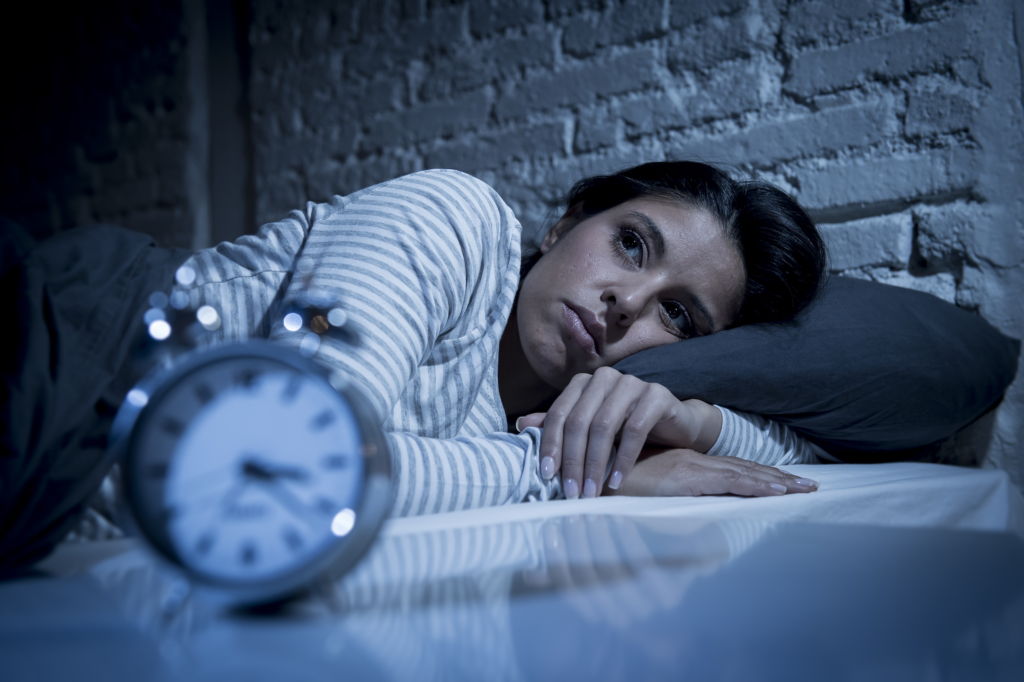
Loneliness reduces sleep depth and increases nighttime awakenings.
When sleep is disrupted:
- next-day cortisol spikes
- inflammation increases
- cravings rise
- energy drops
📎 Read More: EMF Exposure & Sleep–Cortisol Disruption
5. How Loneliness Affects Inflammation
Chronic isolation increases inflammatory markers, which can worsen:
- fatigue
- hormonal imbalance
- histamine sensitivity
- gut symptoms
- metabolic slowdown
📎 Read More: DAO Deficiency & Histamine Anxiety
📎 Read More: The Estrogen–Histamine Loop
6. Social Connection Supports Cortisol Balance
Even small interactions improve metabolic stress response:
- talking to a friend
- joining a group
- walking outside
- volunteering
- video calls
- coworker chats
Human connection supports a healthier cortisol rhythm and better energy.
📎 Read More: Wearable Metrics That Reveal Hormone Imbalance
Small Daily Habits to Offset Loneliness Stress
✔ 10-minute walk outside
Light exposure + movement → lowers stress load.
✔ Call one person a day
Even short conversations lower cortisol.
✔ Join a virtual or offline community
Shared interests reduce isolation-driven stress.
✔ Practice vagus nerve activation
Calms the stress system and supports metabolic balance.
📎 Read More: Vagus Nerve Hacks to Lower Cortisol

⭐ Bonus :
📎 Read More: Progesterone Crash Anxiety in Your Late 30s
📎 Read More: The 7-Day Low-Histamine Reset Plan
📎 Read More: Gut Dysbiosis & Hypothyroidism
📎 Read More: Sauna + Cold Contrast Therapy
Health Disclaimer
This article is for general wellness education.
Loneliness, anxiety, and chronic stress may require support from a licensed mental health professional.