Metabolic psychiatry is an emerging field that connects nutrition, mitochondrial health, glucose stability, inflammation, gut health, and hormone balance to anxiety and depression.
Many people don’t realize that mood is deeply influenced by:
- Blood sugar swings
- Stress-hormone patterns
- Gut inflammation
- Nutrient deficiencies
- Mitochondrial energy
- Thyroid function
- Histamine imbalance
When metabolism is unstable, the brain becomes more sensitive to stress — leading to worry, overthinking, low mood, and fatigue.
The good news? Small, nutrition-based metabolic changes can improve emotional resilience.
1. Balance Your Blood Sugar to Reduce Anxiety
Blood sugar spikes → cortisol rises → anxiety increases.
Blood sugar crashes → adrenaline releases → panic-like symptoms.
Nutritional Fixes:
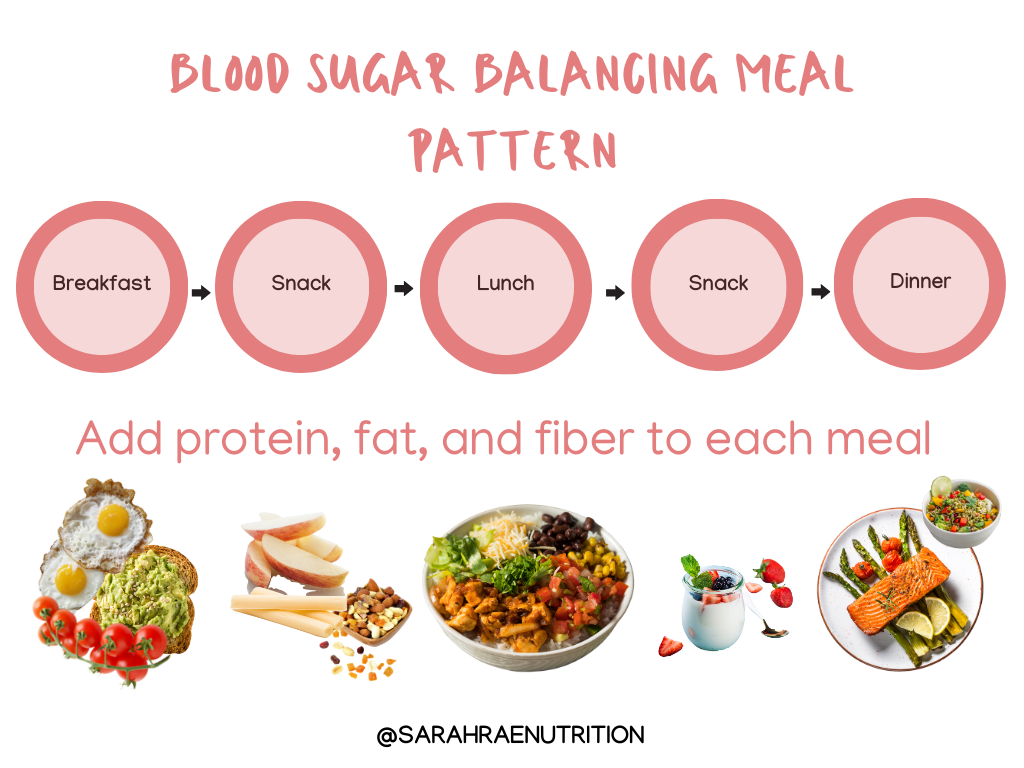
- Eat protein + fiber in every meal
- Avoid high-sugar snacks
- Choose whole carbs with slower digestion
📎 Read More: Hidden IR Signs (Skin, Energy, Cravings)
📎 Read More: Healthy Foods That Spike Blood Sugar
2. Improve Mitochondrial Function for Depression Support
The brain consumes up to 20–30% of your body’s energy.
When mitochondria are weak, mood drops.
Nutrition That Helps:
- Omega-3 (salmon, sardines, walnuts)
- B vitamins
- Magnesium
- CoQ10
- Urolithin A (a cellular energy molecule)
📎 Read More: Urolithin A for Mitochondrial Repair
3. Reduce Inflammation That Affects Brain Chemistry
Inflammation can disrupt serotonin and GABA — two calming brain chemicals.
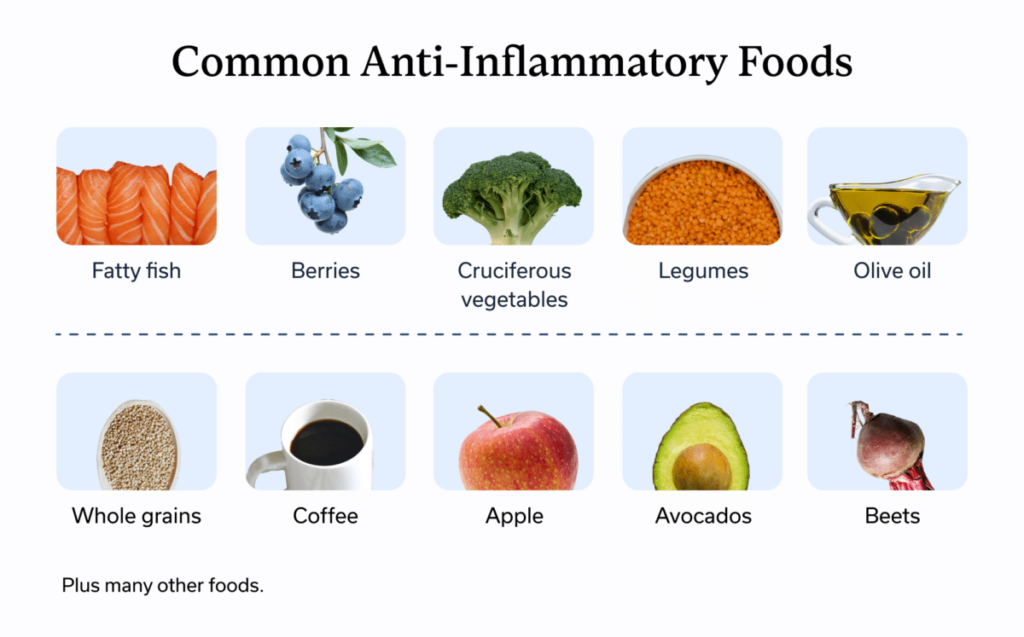
Anti-inflammatory foods:
- Berries
- Olive oil
- Greens
- Turmeric
- Cruciferous vegetables
📎 Read More: The 7-Day Low-Histamine Reset Plan
📎 Read More: DAO Deficiency & Histamine Anxiety
4. Support Gut Health to Improve Mood Stability
Your gut produces 90% of serotonin and communicates directly with the brain.
Things that worsen mood via the gut:
- Dysbiosis
- Leaky gut
- Histamine reactivity
- Inflammatory foods
Helpful foods:
- Fermented foods (if tolerated)
- Soluble fiber
- Omega-3s
- Polyphenols
📎 Read More: Gut Dysbiosis & Hypothyroidism
📎 Read More: The Estrogen–Histamine Loop
5. Correct Nutrient Deficiencies Linked to Anxiety & Depression
Common deficiencies affecting mood:
- Magnesium
- B12
- Folate
- Iron
- Vitamin D
- Omega-3 fatty acids
Even small improvements in nutrient intake reduce anxiety, fatigue, and irritability.
6. Reset Cortisol Rhythms for Emotional Balance
Cortisol imbalance can worsen emotional reactivity, worry, agitation, and sleep problems.
Nutrition to support cortisol:
- Morning protein
- Stable meals
- Limit caffeine (especially if genetically sensitive)
- Anti-inflammatory fats
- Hydration
📎 Read More: EMF Exposure & Sleep–Cortisol Disruption
📎 Read More: 3 AM Cortisol Spike

7. Thyroid, Hormones & Mood — The Overlooked Link
Low thyroid function → fatigue + low mood
Hormone imbalance → anxiety, worry, tension
Estrogen fluctuations → irritability + brain fog
📎 Read More: Thyroid–Microbiome Imbalance Symptoms
📎 Read More: Progesterone Crash Anxiety in Your Late 30s
⭐BONUS :
📎 Read More: Post-Pill Hormone Reset
📎 Read More: Heavy Metals & Resistant Weight Loss
📎 Read More: Wearable Metrics That Reveal Hormone Imbalance
📎 Read More: Sauna + Cold Contrast Therapy for Metabolic Health
Health Disclaimer
This content is educational and not a substitute for mental health treatment.
Always consult a licensed clinician for anxiety, depression, or medication decisions.