
If you feel slower, fatigued, mentally foggy, or less resilient to stress as you enter your 30s and 40s, the reason may be a natural drop in NAD+, one of the body’s most important cellular molecules.
NAD+ powers:
- Mitochondria
- Metabolism
- Hormone production
- Brain energy
- DNA repair
- Stress resilience
- Detox pathways
When NAD+ declines → energy declines, even if your diet, sleep, and habits are good.
Let’s break this down clearly.
⭐ What Is NAD+? (Simple Explanation)
NAD+ = your cells’ “battery life.”
It powers:
- ATP (energy production)
- Fat-burning
- Thyroid hormone activation
- DNA repair
- Detoxification
- Mitochondrial function
Low NAD+ = body slows down.
⭐ Why NAD+ Declines in Women After 30
1. Stress Depletes NAD+
Chronic stress burns through NAD+ to regulate cortisol.
📎 Read More: 3 AM Cortisol Spike
2. Estrogen Fluctuations Increase Energy Demand
Perimenopause = mitochondria work harder → NAD+ drops.
📎 Read More: The Estrogen–Histamine Loop
3. Inflammation Drains NAD+
Gut issues, SIBO, MCAS, or histamine overload accelerate NAD+ loss.
📎 Read More: SIBO–Hormone Connection Explained
4. Poor Sleep Reduces Cellular Repair
Nighttime is when NAD+ regenerates.
Bad sleep = low NAD+ the next day.
📎 Read More: EMF Exposure & Sleep–Cortisol Disruption
5. Aging Reduces NAD+ Enzymes
NAMPT, the enzyme that builds NAD+, naturally slows after 30.

⭐ Signs Your NAD+ Is Low
- Afternoon crashes
- Slower metabolism
- Fatigue despite good sleep
- Brain fog
- Weak stress tolerance
- Slow recovery after workouts
- Sugar cravings
- Lower mood / motivation
- Dry, dull skin
- More inflammation or sensitivities
If you check 5+, NAD+ decline is likely.
⭐ How NAD+ Drop Affects Hormones
1. Thyroid Slows Down
Low NAD+ = low mitochondrial energy → slower T3 activation.
📎 Read More: Metabolic Hypothyroidism
2. Estrogen Detox Slows Down
Low NAD+ → sluggish liver detox → estrogen dominance → PMS flares.
📎 Read More: Heavy Metals & Resistant Weight Loss
3. Cortisol Regulation Weakens
Low NAD+ = poor stress resilience → higher cortisol spikes.
4. Insulin Sensitivity Drops
Cells need NAD+ for proper glucose uptake.
⭐ Top NAD+ Boosters (Safe & Effective)
1. NR (Nicotinamide Riboside)
- Fastest-acting booster
- Increases cellular NAD+
- Helps fatigue + metabolism
Good for:
- Stress
- Perimenopause
- Slow metabolism
2. NMN (Nicotinamide Mononucleotide)
- Most researched
- Strong impact on mitochondria
- Improves energy + repair
3. Vitamin B3 (Niacin / Niacinamide)
- Supports NAD+ recycling
- Helps detox + skin
4. Polyphenols (Resveratrol, Pterostilbene)
Protect NAD+ from oxidative stress.
5. Magnesium Glycinate
Helps mitochondria use NAD+ properly.
📎 Read More: Does Magnesium Help You Lose Belly Fat
6. Red Light Therapy
Boosts mitochondrial ability to use NAD+ efficiently.
📎 Read More: Red Light Therapy for Thyroid & Skin
⭐ Lifestyle Habits That Increase NAD+ Naturally
1. Morning Light Exposure
Improves circadian rhythm → boosts NAD+ production.
2. Intermittent Meal Timing (NOT fasting)
Spacing meals 4–5 hours apart helps NAD+ recycling.
📎 Read More: Zone 2 Cardio & Metabolic Health
3. Moderate Exercise (Zone 2)
Improves mitochondrial efficiency.
4. Prioritizing Sleep
Nighttime = NAD+ rebuilding time.
5. Reducing Histamine Load
High histamine burns through NAD+ quickly.
📎 Read More: 7-Day Low-Histamine Reset Plan
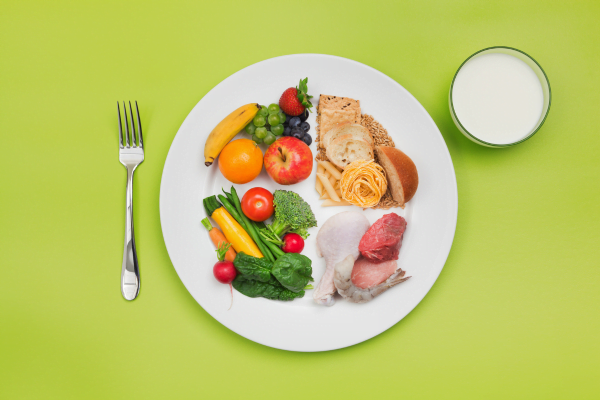
⭐ Foods That Support NAD+ Production
- Salmon
- Eggs
- Turkey
- Sardines
- Mushrooms
- Sweet potato
- Broccoli
- Green apples
- Berries
⭐ Who Benefits the Most From NAD+ Boosters?
Women dealing with:
- Fatigue
- Perimenopause
- Estrogen dominance
- SIBO / gut issues
- Histamine overload
- Thyroid slowdown
- Stress burnout
- Slow metabolism
📎 Read More: Post-Antibiotic Microbiome Repair
⚠️ Health Disclaimer
This article is for educational purposes only. Consult a licensed provider before starting NMN, NR, or NAD+ supplements, especially if pregnant or on medications.