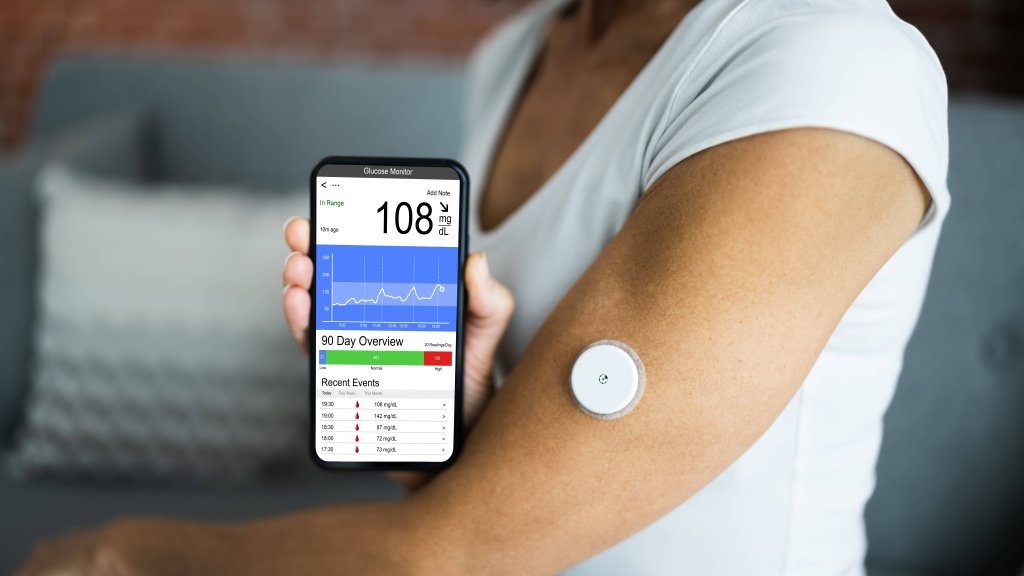
Tracking blood sugar is no longer limited to people with diabetes.
With the arrival of over-the-counter continuous glucose monitors (OTC CGMs) like Dexcom Stelo and Abbott Lingo, everyday users can now see how food, stress, sleep, and exercise affect their glucose levels — without a prescription.
This shift is changing how people think about metabolic health, weight management, and energy stability.
What Makes OTC CGMs Different
Traditional CGMs required:
- Medical prescriptions
- Diabetes diagnosis
- Clinical oversight
OTC CGMs are designed for general wellness use, not diagnosis or treatment.
They help users:
- Observe glucose patterns
- Identify spikes and crashes
- Understand lifestyle effects on blood sugar
📎 Read More: Wearable Metrics That Reveal Hormone Imbalance
Dexcom Stelo vs Lingo: The Big Picture
Both devices aim to help non-diabetic users understand glucose trends, but their focus differs slightly.
Dexcom Stelo
- Built on Dexcom’s CGM technology
- Focuses on glucose awareness and trends
- Designed for lifestyle insights
Abbott Lingo
- Developed by Abbott (makers of FreeStyle sensors)
- Emphasizes food response and metabolic feedback
- Often paired with nutrition-focused guidance
Neither device diagnoses disease — they provide educational data.
Why Blood Sugar Awareness Matters (Even Without Diabetes)
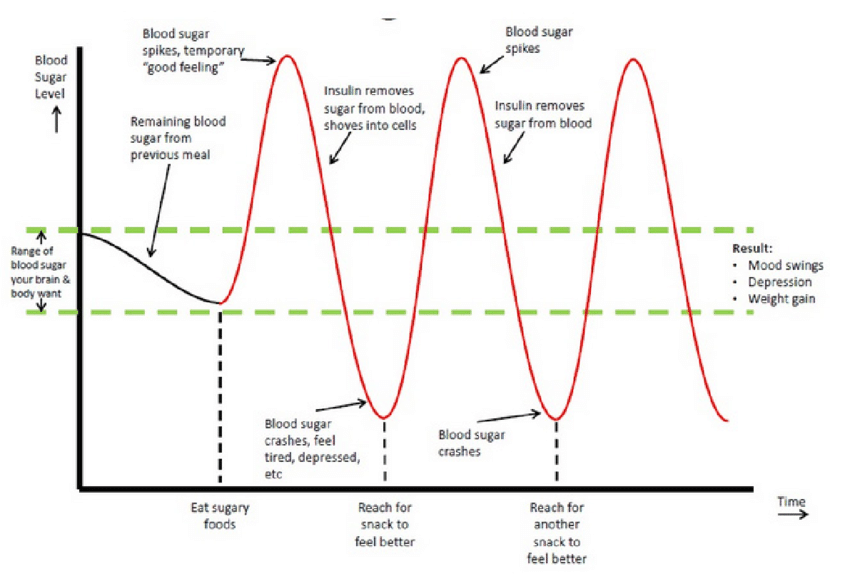
Glucose instability can affect:
- Energy levels
- Hunger and cravings
- Sleep quality
- Stress hormones
Repeated spikes and crashes may signal early metabolic strain, even when labs look “normal.”
📎 Read More: Insulin Resistance Belly vs Cortisol vs Thyroid Belly
📎 Read More: Healthy Foods That Spike Blood Sugar
How OTC CGMs Change Behavior
Seeing real-time data often leads to:
- Smaller glucose spikes after meals
- Better food combinations
- Improved meal timing
- More post-meal movement
Many users report behavior changes within days, simply from seeing patterns.
📎 Read More: Stress Weight Gain (Even with Clean Eating)
Who Benefits Most from OTC CGMs
OTC CGMs may be useful for people who:
- Experience energy crashes
- Struggle with stubborn weight gain
- Have stress-related eating patterns
- Want feedback on lifestyle changes
They are not replacements for medical testing.
Limitations to Keep in Mind
OTC CGMs:
- Do not diagnose insulin resistance
- Do not replace blood tests
- Can cause data anxiety if overused
The goal is pattern awareness, not perfection.
📎 Read More: Cortisol Symptoms
How This Fits Into a Bigger Metabolic Picture
Glucose is only one piece of metabolic health.
Best results come from combining:
- Sleep consistency
- Stress regulation
- Balanced nutrition
- Gentle movement
📎 Read More: Cortisol Crash in the Afternoon
📎 Read More: Protein Timing for Hormone Balance
When to Talk to a Professional
Consult a healthcare provider if:
- You notice persistently high readings
- You have symptoms like dizziness or fainting
- You have known metabolic conditions
CGMs are tools — interpretation matters.

Related Reading
📎 Read More: Healthy Foods That Spike Blood Sugar
📎 Read More: Insulin Resistance Belly vs Cortisol vs Thyroid Belly
📎 Read More: Wearable Metrics That Reveal Hormone Imbalance
📎 Read More: Stress Weight Gain (Even with Clean Eating)
Health Disclaimer
This article is for general wellness education only.
OTC CGMs do not diagnose or treat medical conditions. Consult a healthcare professional for medical concerns.