(Why Women Lose Muscle Faster — and Gain Belly Fat Easier)

During perimenopause, many women notice something frustrating:
they’re gaining belly fat even while eating “normally,” and losing muscle even without changing anything.
This is called sarcopenic obesity — a combination of muscle loss + fat gain that becomes more common between ages 35–50.
And estrogen plays a major role.
Let’s break it down in a quick, simple, US-friendly way.
⭐ What Is Sarcopenic Obesity?
Sarcopenic obesity =
low muscle mass + higher body fat, especially around the abdomen, hips, and thighs.
Why this happens during perimenopause:
- Estrogen drops
- Muscle breaks down faster
- Metabolism slows
- Insulin resistance increases
- Strength, energy, and posture decline
This creates the “skinny-fat” or “soft belly” feeling many women describe.
⭐ Why Perimenopause Accelerates Muscle Loss
1. Estrogen Is a Muscle-Protecting Hormone
Most women don’t realize estrogen supports:
- Muscle building
- Muscle repair
- Strength output
- Mitochondrial health (energy production)
When estrogen declines → muscles shrink faster.
🟦Related Articles May You Like
link: Estrogen Window for Metabolism & Brain Health
2. Metabolism Slows Naturally
Lower estrogen = lower metabolic rate.
Lower metabolic rate = fewer calories burned even at rest.
This makes fat accumulate even with clean eating.
🟦Related Articles May You Like
link: Why Belly Fat Is So Hard to Lose
3. Insulin Resistance Rises
This is a major driver of sarcopenic obesity.
Low estrogen reduces insulin sensitivity →
- More belly fat
- More cravings
- More inflammation
🟦Related Articles May You Like
link: Healthy Foods That Spike Blood Sugar
4. Lower Progesterone → Higher Cortisol
High cortisol breaks down muscle tissue.
This leads to:
- Softer body composition
- Slower recovery
- Fat storage around the midsection
🟦 Related Articles May You Like
link: Cortisol Crash in the Afternoon
⭐ Symptoms of Perimenopause-Related Muscle Loss
Women often report:
- Feeling “weaker” or slower
- Difficulty lifting weights previously easy
- A softer stomach or thighs
- Shoulder or neck stiffness
- Poor posture
- Trouble maintaining tone
- Lower energy for workouts
Even active women experience this.
⭐ Why Fat Increases Even When Eating Clean
Because the body:
- Has less muscle to burn calories
- Stores more fat for protection
- Responds poorly to carbs
- Gets more stress-sensitive
- Produces less growth hormone (GH)
This combination makes fat loss stubborn.

⭐ How to Prevent Sarcopenic Obesity in Perimenopause
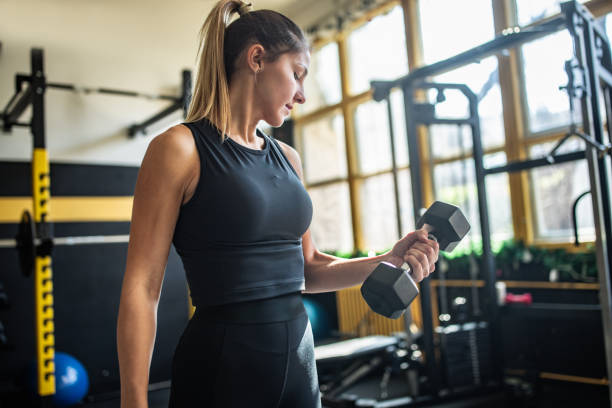
1. Prioritize Strength Training (2–4 Days/Week)
Focus on:
- Squats
- Deadlifts
- Rows
- Push-ups
- Hip thrusts
Aim for progressive overload.
🟦 Related Articles May You Like
link: Strength Training for Hormonal Belly
2. Increase Daily Protein
The body needs more protein after age 35.
Ideal: 90–120g per day for most women.
🟦Related Articles May You Like
link: Protein Timing for Hormone Balance
3. Support Estrogen Metabolism Naturally
Use foods like:
- Flaxseed
- Pumpkin seed
- Sesame seed
- Cruciferous vegetables
- Berries
🟦Related Articles May You Like
link: Seed Cycling Beginner Guide
4. Reduce Cortisol Spikes
Try:
- Zone 2 cardio
- Breathwork
- Early morning sunlight
- Magnesium glycinate at night
🟦Related Articles May You Like
link: Zone 2 Cardio & Metabolic Health
5. Keep Blood Sugar Stable
Stable blood sugar = better estrogen balance.
- Protein first
- High fiber
- Lower sugar snacks
- Balanced meals
🟦 Related Articles May You Like
link: Stress Weight Gain (Even with Clean Eating)
⭐ Bonus Tip: Track Strength Weekly
Tracking small improvements each week shows whether you’re preserving or building muscle.
⚠️ Medical Disclaimer
This article is for educational purposes only and does not replace professional medical advice. Always consult a licensed healthcare provider before making lifestyle or diet changes.