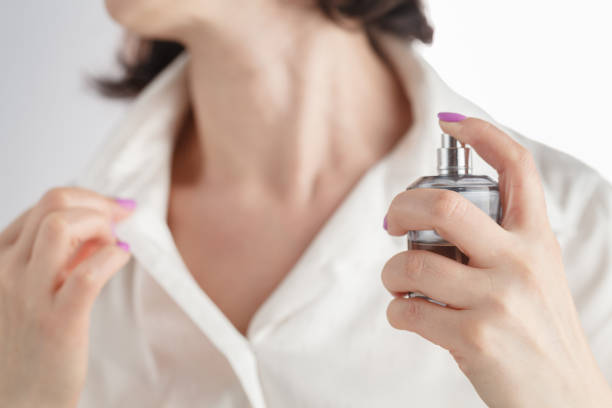
Most women don’t realize that the biggest hormone disruptors may not be in food —
they’re in body sprays, perfumes, scented lotions, air fresheners, laundry softeners, candles, and deodorants.
The problem?
Most fragrances contain phthalates, powerful endocrine disruptors linked to:
- Sluggish thyroid
- Fatigue
- Weight gain
- PMS swings
- Mood changes
- Fertility issues
- Brain fog
Here’s how phthalates affect thyroid function and metabolism — and how to avoid them easily.
⭐ What Are Phthalates? (Simple Explanation)
Phthalates are chemicals added to fragrances to make scents last longer.
Anywhere you see “Fragrance” or “Parfum” on a label — assume phthalates are inside.
They enter the body through:
- Skin
- Lungs (inhalation)
- Clothing
- Bedding
- Household air
Once inside, they accumulate and disrupt hormones.
⭐ How Phthalates Affect Thyroid Function
1. They Block Thyroid Hormone Production
Phthalates interfere with T3 and T4 synthesis.
Low thyroid output causes:
- Slow metabolism
- Exhaustion
- Weight gain
- Dry skin
- Hair shedding
📎 Read More: Metabolic Hypothyroidism
2. They Disrupt Thyroid Receptors
Even if your body makes hormones, phthalates block the receptors that help cells use thyroid hormones.
This mimics hypothyroidism even with “normal” lab results.
3. They Increase Reverse T3 (rT3)
Reverse T3 slows metabolism dramatically.
Symptoms include:
- Low motivation
- Afternoon crashes
- Slow digestion
- Feeling cold
4. They Raise Cortisol
High cortisol blocks thyroid function and causes:
- Belly fat
- Sleep problems
- Blood sugar crashes
📎 Read More: 3 AM Cortisol Spike

5. They Worsen Estrogen Dominance
Phthalates mimic estrogen → leading to:
- PMS
- Bloating
- Weight gain
- Mood swings
- Breast tenderness
📎 Read More: The Estrogen Window for Metabolism & Brain Health
⭐ Signs Phthalates Are Affecting Your Thyroid
- Feeling tired even after sleeping
- Sudden weight gain
- Sensitive to cold
- Dry skin + hair
- Puffy face or eyes
- Brain fog
- Anxiety or mood changes
- Constipation
- Irregular cycles
If these symptoms appear despite a “clean lifestyle,” fragrances may be the hidden trigger.
⭐ High-Phthalate Products Most Women Use Daily
1. Perfumes & Body Sprays
The strongest source — applied directly to skin.
2. Scented Lotions
Absorbed into bloodstream within seconds.
3. Deodorants & Hair Products
Stay on skin + inhaled continuously.
4. Laundry Softener Sheets
Coat clothes and bedsheets with phthalates.
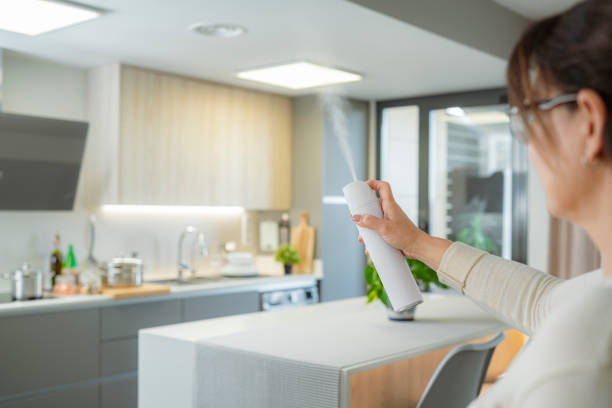
5. Air Fresheners & Room Sprays
You inhale them all day.
📎 Read More: PFAS in Everyday Kitchen Items
⭐ How to Reduce Phthalate Exposure (Simple Swaps)
1. Switch to “Fragrance-Free” Products
Look for:
- “Fragrance-free”
- “Phthalate-free”
- “Unscented”
2. Use Essential Oil–Based Scents
Choose real essential oil scents, not “fragrance blends.”
3. Replace Dryer Sheets
Use wool dryer balls instead.
4. Avoid Room Sprays
Choose:
- HEPA air purifiers
- Open windows
- Natural diffusers
5. Avoid Products With “Parfum”
This single word = multiple hidden chemicals.
⭐ Support Thyroid Recovery After Phthalate Exposure
- Eat seaweed or iodine-rich foods
- Add selenium (eggs, Brazil nuts)
- Eat zinc-rich foods
- Increase protein intake
- Add cruciferous vegetables
- Improve gut health
📎 Read More: Gut Health and Belly Fat
⭐ Bonus: The 5-Second Label Rule
If the ingredient list says:
“Fragrance”
or
“Parfum”
→ Put it back.
This one rule removes 90% of phthalate exposure.
⚠️ Health Disclaimer
This article is for educational purposes only. Consult a licensed medical professional if you have thyroid symptoms or unexplained weight changes.