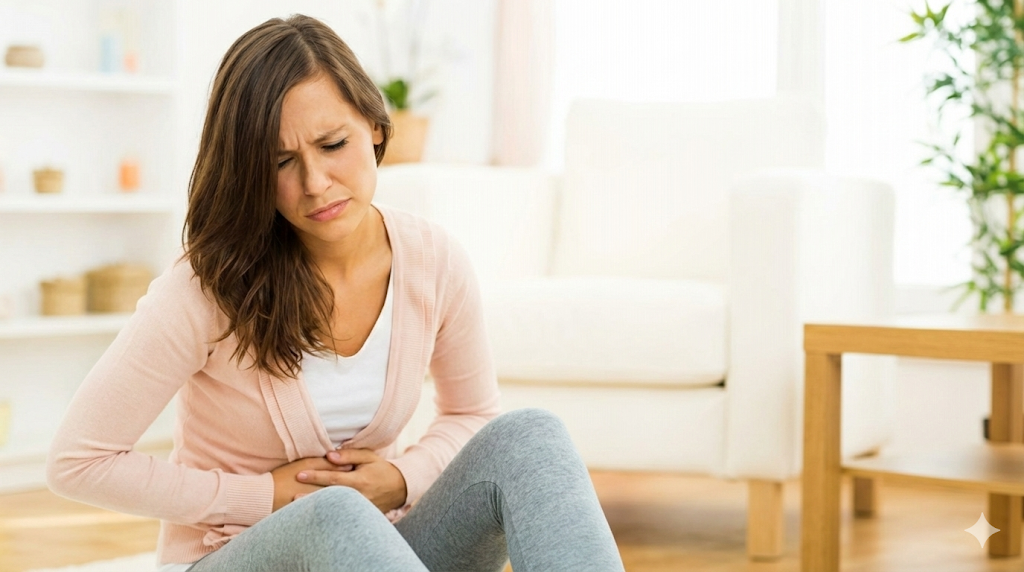
Antibiotics save lives — but they also wipe out large portions of your gut microbiome, which controls:
- Digestion
- Hormones
- Immunity
- Inflammation
- Metabolism
- Mood
- Histamine detox
- Estrogen clearance
This is why many women feel bloating, anxiety, PMS swings, new food sensitivities, acne, constipation, or stubborn weight gain after even one short antibiotic course.
Good news:
With the right steps, you can rebuild your microbiome in 2–6 weeks and restore hormonal balance.
Let’s break it down.
⭐ What Antibiotics Do to Your Gut (Simple Explanation)
Antibiotics kill harmful bacteria — but also kill good gut bacteria, especially:
- Bifidobacteria
- Lactobacillus
- Short-chain fatty acid producers
- DAO-supporting bacteria (histamine breakdown)
This creates:
- Less hormone detox
- Higher histamine
- Slower metabolism
- Constipation
- Inflammation
- Anxiety
- PMS worsening
📎 Read More: DAO Deficiency & Histamine Anxiety
⭐ How Antibiotics Affect Hormones
1. Estrogen Detox Slows Down
The gut clears estrogen.
After antibiotics → estrogen recirculates → PMS worsens.
📎 Read More: The Estrogen–Histamine Loop
2. Thyroid Hormone Conversion Drops
T4 → T3 conversion partly occurs in the gut.
Low microbiome = slower metabolism.
📎 Read More: Metabolic Hypothyroidism
3. Histamine Reactivity Increases
Low DAO + inflamed gut → more histamine.
Symptoms:
- Anxiety
- Flushing
- Itching
- Head pressure
📎 Read More: SIBO–Hormone Connection Explained
4. Cortisol Becomes Dysregulated
Gut inflammation → stress signals → cortisol spikes.
- Night waking
- Restlessness
- Fatigue
- Belly fat
📎 Read More: EMF Exposure & Sleep–Cortisol Disruption
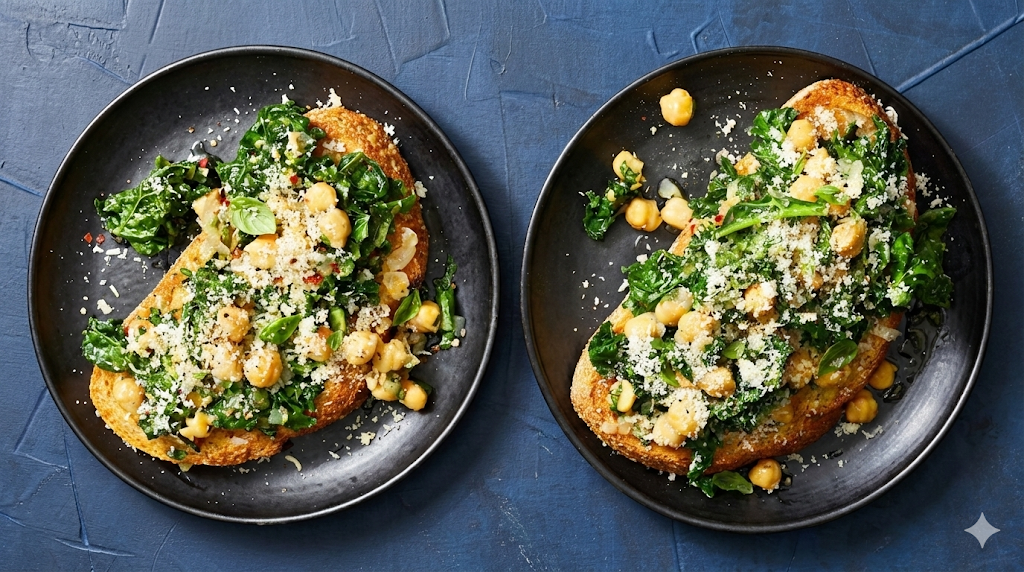
⭐ Common Symptoms After Antibiotics
- Bloating
- Food sensitivities
- Constipation or loose stools
- Anxiety
- PMS swings
- New skin breakouts
- Weight gain
- Fatigue
- Brain fog
- Sugar cravings
- Histamine reactions
- Yeast overgrowth
If you have 4+, your microbiome needs repair.
⭐ The 3-Phase Post-Antibiotic Repair Plan
⭐ Phase 1 — Calm Inflammation (Days 1–5)
This helps reset the gut lining so bacteria can regrow.
Eat These Foods
- Bone broth
- Cooked vegetables
- Zucchini
- Carrots
- Sweet potato
- Blueberries
- White rice (optional)
Avoid Temporarily
- Raw salads
- Coffee
- Alcohol
- Dairy
- Sugar
- Fermented foods
- Beans/lentils
Add These Supports
- Ginger tea
- Peppermint tea
- Warm water in morning
📎 Read More: 7-Day Low-Histamine Reset Plan
⭐ Phase 2 — Rebuild Good Gut Bacteria (Days 5–21)
This is where the real repair happens.
Add Prebiotic-Rich Foods
- Green apples
- Cooked oats
- Garlic-free cooked vegetables
- Banana (slightly green)
- Blueberries
- Sweet potato
Add Probiotic Foods (Light, Not Fermented)
- Coconut yogurt
- Fresh kefir (if tolerated)
Support with Supplements (Optional)
- Spore-based probiotics
- Prebiotic fiber (PHGG or acacia)
📎 Read More: Gut Health and Belly Fat
⭐ Phase 3 — Restore Gut Motility (Ongoing)
Antibiotics slow motility → bloating continues.
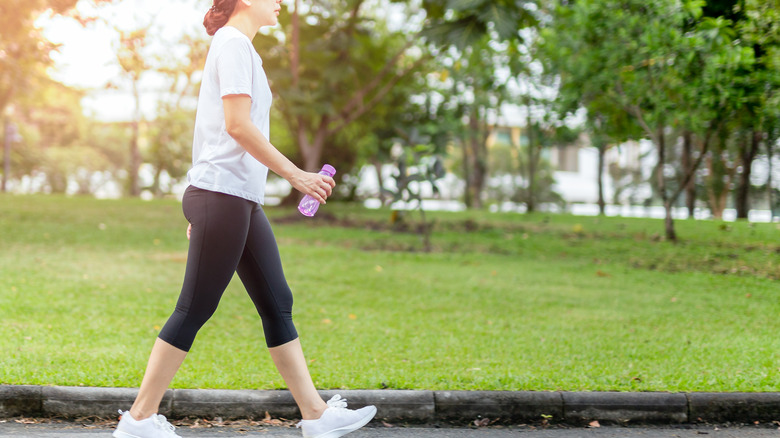
Do These Daily
- Walk 10–20 minutes after meals
- Magnesium glycinate at night
- 4–5 hr meal spacing
- Hydrate well
📎 Read More: Zone 2 Cardio & Metabolic Health
⭐ Foods to Reintroduce Slowly
Only after Day 21:
- Avocado
- Fermented foods
- Almonds
- Beans
- Spinach
- Tomatoes
Introduce one at a time to identify triggers.
⭐ “Fast-Track” Recovery Tools
1. Bone Broth (Daily)
Repairs gut lining quickly.
2. Collagen
Supports mucosal healing.
3. Omega-3 Foods
Reduces inflammation.
4. Ginger & Turmeric
Natural gut-calming herbs.
5. Chamomile Tea
Reduces histamine + anxiety.
⭐ When to Suspect SIBO After Antibiotics
- Bloating 30–90 mins after meals
- Constipation + bloating combo
- Garlic/onion intolerance
- Pain under ribs
- Gas after everything
📎 Read More: SIBO–Hormone Connection Explained
⚠️ Health Disclaimer
This article is for educational purposes only. Consult a licensed practitioner for severe diarrhea, chronic bloating, or suspected SIBO after antibiotics.