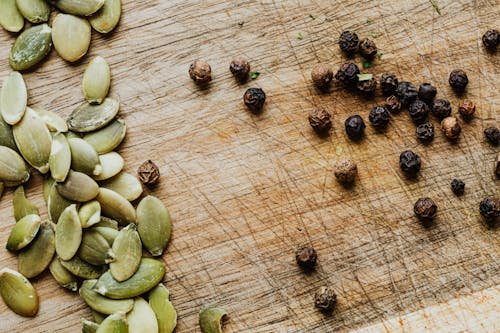
Seed cycling is a simple, food-first way people use to support hormonal balance by rotating specific seeds through the menstrual cycle. If your periods, acne, mood, or energy feel unpredictable, seed cycling is a low-cost, low-risk experiment you can try for 2–3 months. Grab the free printable chart below to make it foolproof.
Many women try seed cycling to support symptoms like PMS, hormonal acne, irregular cycles, and mood swings. Hormonal imbalance can also affect metabolism, which is one reason –> belly fat can sometimes be difficult to lose<–
What you’ll get: quick steps, recipes, troubleshooting, a printable chart, and kit recommendations.
Disclosure: This post contains affiliate links. We may earn a small commission if you buy through them.
What is seed cycling? (quick, plain explanation)
Seed cycling pairs different seeds with the two main phases of a menstrual cycle: the follicular phase (roughly Day 1–14) and the luteal phase (roughly Day 15–28). The idea: the nutrients in these seeds — lignans, zinc, healthy fats, magnesium — support estrogen and progesterone pathways so your hormones can stay more balanced.
The menstrual cycle has two main hormone phases — the follicular phase and the luteal phase — and seed cycling aligns specific nutrients with each phase.
The 4 seeds and what each does (simple bullets)
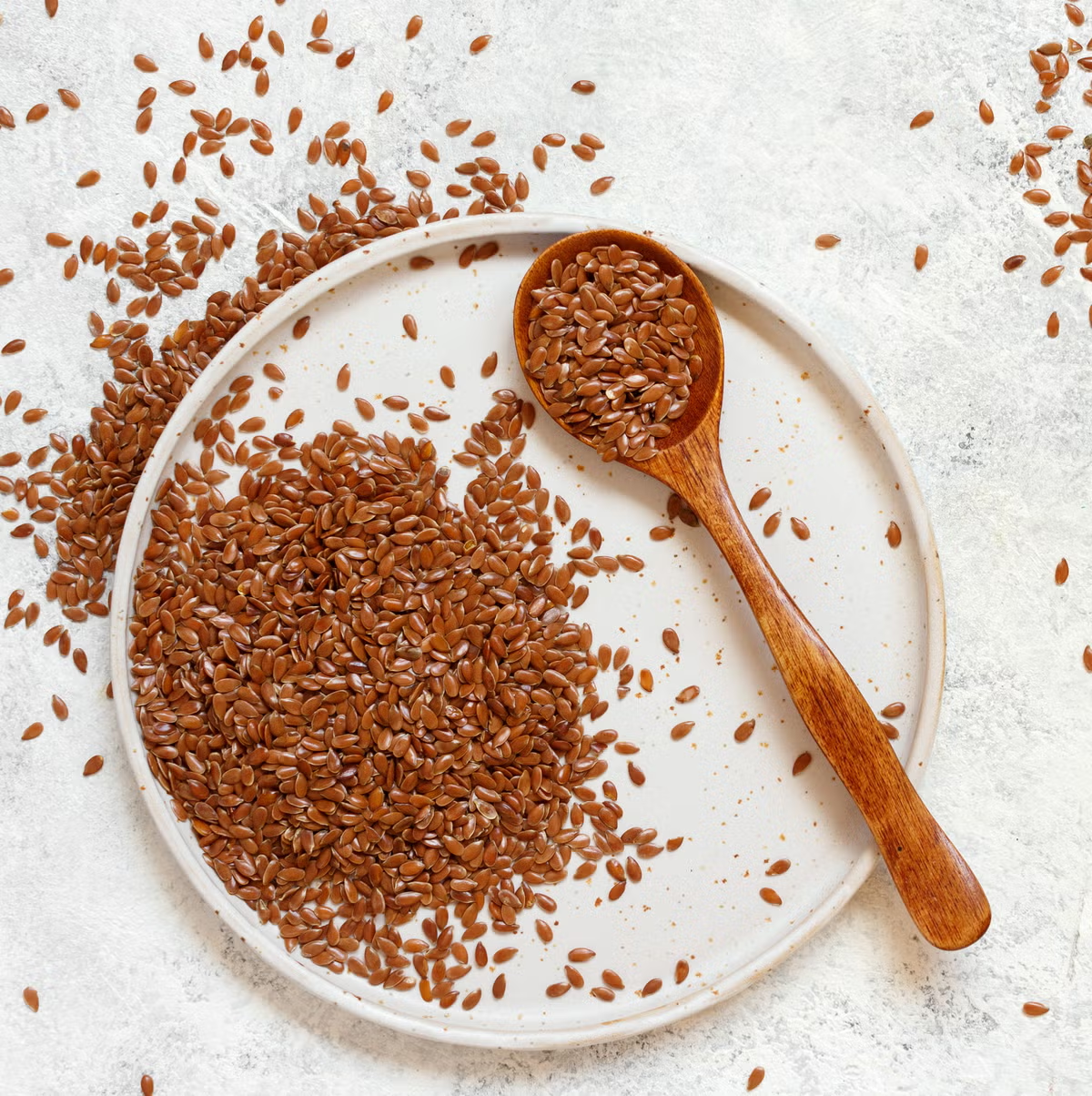
- Flax seeds (follicular) — lignans that support healthy estrogen metabolism.
- Pumpkin seeds (follicular) — zinc + healthy fats for hormone production.
- Sesame seeds (luteal) — lignans and magnesium to support progesterone pathways.
- Sunflower seeds (luteal) — selenium & vitamin E for luteal phase support.
Many of these nutrients also support metabolic health. For example, minerals like –>magnesium play a role in hormone balance<– and energy metabolism.
Pro tip: Always use ground flax and sesame seeds — whole seeds can pass through undigested.
How to Do Seed Cycling (Step-by-Step)
- Track your cycle. Use an app or calendar. If your periods are irregular, use the lunar method (New Moon = Day 1).
- Follicular phase (Day 1 → ovulation): 1 tbsp ground flax + 1 tbsp pumpkin daily.
- Luteal phase (ovulation → Day 1): 1 tbsp ground sesame + 1 tbsp sunflower daily.
- Keep it consistent for 3 months. Track symptoms weekly.
- Measure progress: note changes in cramps, acne, mood, cycle length, and energy.
Quick use ideas: add to smoothies, sprinkle on oats, or mix into yogurt.
Free printable chart (CTA box)
Want a simple visual guide?
Download the free Seed Cycling Chart PDF to see exactly which seeds to use during each phase of your cycle.
[Download the Free Seed Cycling Chart]
Practical tips that matter (the stuff competitors skip)
- Grinding: Use a small coffee/spice grinder. Grind weekly and store in the fridge for freshness.
- Storage: Keep seeds in airtight glass jars in the fridge to avoid rancidity.
- If your cycle is irregular: use the lunar method (New Moon → Follicular; Full Moon → Luteal) or follow a 28-day schedule until your body stabilizes.
- Pairing for results: combine seed cycling with consistent sleep, reduced alcohol, and balanced protein intake.
- Buy organic seeds when possible to reduce pesticide exposure.
Supporting digestion and nutrient absorption is also important, because –>gut health plays a major role in hormone regulation.<–
Does seed cycling actually work? (no hype, just facts)
There aren’t large randomized trials proving seed cycling as a medical cure. BUT the nutrients in these seeds — lignans from flax, zinc from pumpkin, magnesium from sesame — have known roles in hormone metabolism. For example, research suggests flaxseed lignans may influence estrogen metabolism and hormone balance. Many people report improved PMS, clearer skin, and more regular cycles after consistent use for 6–12 weeks. Think of it as a low-risk lifestyle tweak, not a magic cure.
Medically reviewed note: This article is informational and not a substitute for medical advice. If you’re on hormone medications, pregnant, breastfeeding, or have serious endocrine disorders, talk to your clinician first.
Seed cycling: DIY vs. Kits (short comparison)
Many beginners prefer starting with a simple DIY version before trying pre-made kits.
- DIY: Cheapest. Buy organic whole seeds + grinder.
- Kits: Pre-ground, pre-phased, convenient — great for busy people or gift buyers.
Our pick: If you want convenience, choose a kit with resealable, vacuum-packed pouches (keeps freshness).
Realistic timeline — when to expect changes
Most users notice subtle shifts (mood, PMS) in 6–8 weeks; cycle regularity may take 3 months or more, especially with PCOS or thyroid issues. Track symptoms, not just dates.
Who should avoid seed cycling?
- People with severe seed/food allergies.
- Those on hormone-altering prescription meds (ask your provider).
- Pregnant or breastfeeding people should consult a clinician before starting.
3 short FAQs (FAQ Schema ready)
Q: How long before seed cycling works?
A: Expect early changes in 6–8 weeks; fuller hormonal shifts often need 3 months.
Q: Can I seed cycle if I don’t have periods?
A: Yes — use the lunar cycle or a 28-day schedule. Track symptoms closely.
Q: Should seeds be ground or whole?
A: Ground seeds are easier for the body to digest and absorb. Whole seeds may pass through the digestive system without fully releasing their nutrients.
Q: Do men benefit?
A: Men can get the nutritional benefits (omega fats, zinc) but the phase rotation is designed for menstrual cycles.
⚠️ Medical Disclaimer
This article is for informational and educational purposes only and is not intended as medical advice. Seed cycling is a lifestyle practice and not a medical treatment. Always consult a qualified healthcare professional before making changes to your diet or starting new health routines, especially if you are pregnant, breastfeeding, taking medications, or managing a hormonal or endocrine condition.