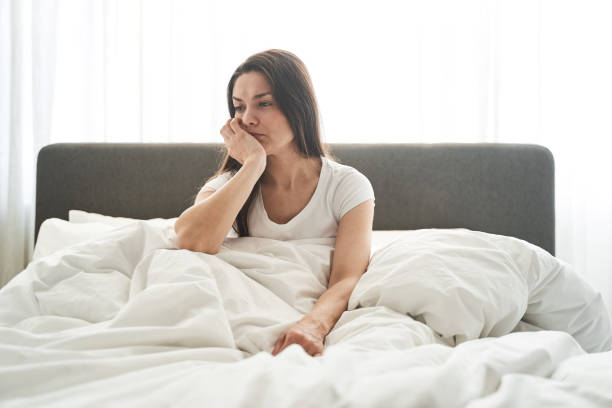
If you snore, wake up tired, or feel exhausted even after 7–8 hours of sleep — you may have sleep apnea, a condition where your breathing repeatedly stops during sleep.
But here’s what most Americans don’t know:
👉 Sleep apnea and belly fat fuel each other.
Bad sleep increases belly fat…
And belly fat makes sleep apnea worse.
This cycle slows your metabolism, increases cravings, and triggers insulin resistance.
Let’s break it down clearly.
⭐ What Is Sleep Apnea? (Simple Explanation)
Sleep apnea = your airway collapses while sleeping → you stop breathing for a few seconds → brain wakes you up to breathe.
This causes:
- poor sleep quality
- daytime fatigue
- high cortisol
- blood sugar swings
- stubborn belly fat
Most people don’t even know they have it.
⭐ How Sleep Apnea Causes Belly Fat
These are the 5 biggest ways:
1. High Cortisol All Night
When you stop breathing, your body enters “stress mode.”
High nighttime cortisol =
👉 belly fat storage
👉 inflammation
👉 slow metabolism
2. Poor Sleep = More Hunger Hormones
Bad sleep increases ghrelin (hunger hormone) and reduces leptin (fullness hormone).
That’s why sleep apnea patients crave:
- carbs
- sugar
- junk food
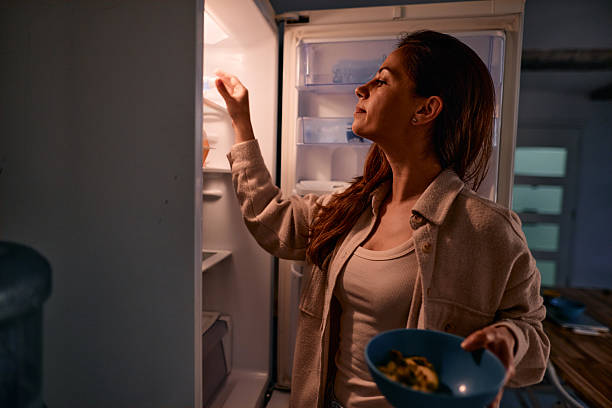
- late-night snacks
3. Blood Sugar Instability
Poor sleep → insulin resistance → belly fat.
If you experience:
- morning cravings
- afternoon crash
- brain fog
…it may be insulin resistance from sleep apnea.

4. Low Oxygen Slows Metabolism
Less oxygen = slow fat burning.
Your body goes into energy conservation mode → weight gain.
5. Exhaustion → No Workout Motivation
Feeling tired all day reduces:
- steps
- workouts
- daily movement
Which worsens metabolism.
⭐ How Belly Fat Makes Sleep Apnea Worse
Belly fat around the abdomen pushes upward, affecting:
- diaphragm movement
- chest expansion
- airway stability
More belly fat = more airway collapse = worse apnea.
This creates a vicious loop.
⭐ Symptoms of Sleep Apnea + Metabolic Slowdown
You may have both if you notice:
- Snoring
- Waking up tired
- Dry mouth in the morning
- Morning headaches
- Daytime fatigue
- Waking up at 2–4 AM
- Belly fat that won’t go away
- Brain fog
- Mood swings
- Nighttime cravings
- Trouble focusing
If 4+ match → sleep apnea needs attention.
⭐ Simple Friendly Fixes to Break the Cycle
These are safe, natural habits to improve sleep AND metabolism.
1. Side Sleeping (Most Effective Home Fix)
Reduces airway collapse → better sleep → lower cortisol.
2. Lose Just 5–10 Pounds
Even small weight loss reduces apnea severity.
3. Avoid Heavy Dinners
No large meals within 2–3 hours of sleep.
4. Reduce Alcohol at Night
Alcohol relaxes airway muscles → worsens apnea.
5. Use a Lower Pillow or Elevate Head Slightly
Improves airway alignment.
6. Walk 10 Minutes After Dinner
Reduces nighttime blood sugar swings.
7. Improve Sleep Hygiene
- Cool room
- No screens 45 minutes before bed
- Consistent sleep schedule
- Avoid caffeine after 2 PM
8. Consider a Sleep Study if Symptoms Are Strong
If snoring + daytime sleepiness = strong signs
Related Articles links
- Why Belly Fat Is So Hard to Lose
- How Stress Leads to Belly Fat
- Gut Health and Belly Fat
- Does Magnesium Help You Lose Belly Fat?
- Cortisol Crash in the Afternoon
- Waking Up Bloated But Going to Bed Flat
- Metabolic Hypothyroidism
- Insulin Resistance & Depression
- Desk Job Metabolism
⚠️ DISCLAIMER
This article is for educational purposes only and is not medical advice. Seek a licensed healthcare provider for diagnosis or treatment.