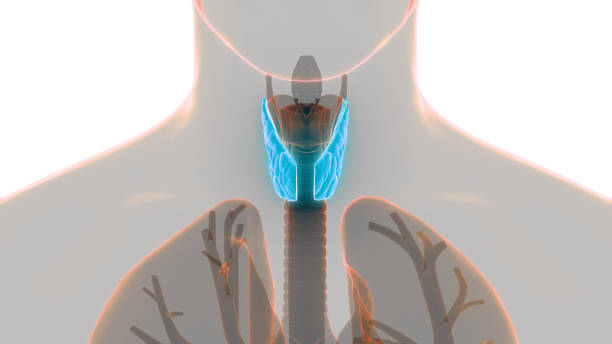
Your gut and thyroid are more connected than most people think.
If your gut bacteria (microbiome) are imbalanced, your thyroid hormones cannot work properly — even if your lab tests look “normal.”
This leads to a long list of symptoms that most Americans mistake for stress, aging, or bad diet.
Guide to the real signs of thyroid–microbiome imbalance, why they happen, and how to fix them naturally.
⭐ 1. Persistent Bloating & Gas (Especially After Meals)
If you get bloated:
- after eating
- in the morning
- or randomly for no reason
…it’s one of the biggest signs of microbiome imbalance.
Why it happens:
Hypothyroidism slows digestion → food sits longer → bacteria ferment → gas + bloating.
⭐ 2. Constipation or Slow Digestion
Thyroid hormones help move food through your intestines.
Low thyroid → slow motility → constipation → bad bacteria grows → worse thyroid function.
A full cycle.
⭐ 3. Fatigue That Doesn’t Improve With Sleep
If you’re tired even after 7–8 hours:
This is gut + thyroid dysfunction together.
Why?
- Poor T3 activation
- Inflammation
- High cortisol
- Poor nutrient absorption
⭐ 4. Brain Fog & Slow Thinking
Imbalanced gut bacteria release toxins (endotoxins) that affect the brain.
Combined with low thyroid → you feel mentally slow.
⭐ 5. Belly Fat That Won’t Go Away
Gut dysbiosis raises:
- inflammation
- cortisol
- insulin resistance
All 3 create hormonal belly fat, especially lower belly.
⭐ 6. Food Intolerances (Dairy, Gluten, High-FODMAP Foods)
If foods suddenly make you bloated or gassy → your gut lining may be inflamed.
This happens commonly in:
- Hashimoto’s
- Hypothyroidism
- Chronic stress
⭐ 7. Skin Issues (Acne, Dry Skin, Eczema)
When the gut is inflamed, the skin becomes inflamed too.
Hypothyroidism slows skin repair → symptoms stay longer.
⭐ 8. PMS, Irregular Periods, or Hormonal Symptoms
Gut imbalance affects estrogen clearance.
Poor estrogen detox =
👉 PMS
👉 Mood swings
👉 Hormonal belly
👉 Water retention

⭐ 9. Weight Gain Even on Low Calories
If your microbiome is imbalanced, your thyroid hormones can’t activate properly.
Less active T3 →
- slow metabolism
- weight gain
- sugar cravings
- afternoon crashes
⭐ 10. Waking Up Bloated but Flat at Night
This is a classic thyroid–gut–cortisol symptom.
Slow overnight digestion + dysbiosis + morning cortisol spike → morning bloating.
⭐ Why the Microbiome Affects the Thyroid
Because your gut controls:
✔ 20–30% of T4 → T3 conversion
✔ Nutrient absorption (iodine, selenium, zinc, iron)
✔ Inflammation
✔ Constipation → estrogen recirculation
✔ Immune activity (Hashimoto’s)
A weak microbiome = weak thyroid.
⭐ How to Fix Thyroid–Microbiome Imbalance
These are safe, simple fixes — no medical risks.
1. Add Gut-Friendly Foods Daily
- Greek yogurt
- Berries
- Chia seeds
- Oats
- Leafy greens
2. Increase Fiber to 25–30g
Healthy bacteria need fiber to grow.
3. Magnesium Glycinate at Night
Helps digestion + reduces constipation.
4. Eat Protein in the Morning
Stabilizes cortisol + improves thyroid hormone activation.
5. Walk 10 Minutes After Meals
Improves gut motility + lowers inflammation.
6. Reduce Sugar & Processed Foods
These feed bad bacteria.

7. Check for Food Intolerances
Gluten & dairy sensitivity are common in thyroid issues.
8. Sleep at Least 7–8 Hours
Sleep deprivation → gut inflammation → thyroid slowdo
Related Articles links
- Why Belly Fat Is So Hard to Lose
- How Stress Leads to Belly Fat
- Cortisol Crash in the Afternoon
- Healthy Foods That Spike Blood Sugar
- Waking Up Bloated but Going to Bed Flat
- Strength Training for Hormonal Belly
- Hormone-Friendly Pre-Workouts
⚠️ DISCLAIMER
This article is for educational purposes only and does not provide medical advice. If you have severe or persistent symptoms, consult a licensed healthcare professional.