
If you wake up bloated, feeling puffy or swollen around your stomach in the morning —
but your belly is flat by nighttime —
this is not “normal bloating.”
This pattern is one of the biggest signs of hormone imbalance, cortisol issues, gut dysfunction, or slow digestion overnight.
Let’s break down exactly why it happens and how to fix it.
⭐ Why Morning Bloating Happens (But Disappears Later)
Morning bloating is different from “food baby bloating” after meals.
This is internal — happening while you sleep, not from overeating.
Here are the real reasons:
1. Slow Digestion at Night (Most Common)
Your digestion slows down 30–40% at night.
So if you eat:
- Late dinners
- Heavy meals
- High-carb or high-fat foods
- Sugary snacks
- Large portions
Your stomach processes it very slowly, causing:
- Gas
- Pressure
- Bloating
- Distended belly
By the afternoon, digestion catches up → belly becomes flat again.
2. High Cortisol in the Morning
Cortisol naturally spikes between 6 AM–11 AM.
But if cortisol is too high:
- Water retention increases
- Stomach looks inflamed
- Midsection feels swollen
This is very common in people with:
- Stress
- Poor sleep
- Blood sugar swings
- Anxiety
- Belly fat
This is hormonal bloating, not food bloating.
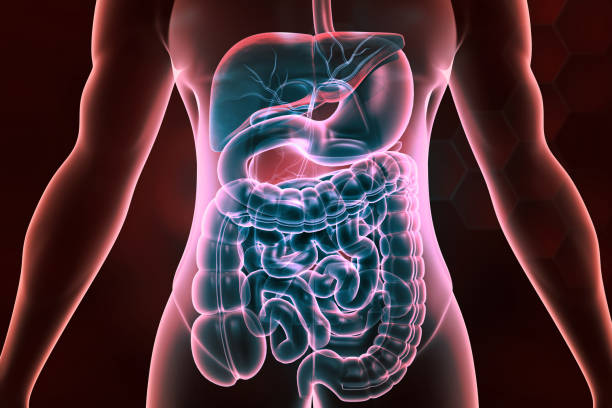
3. Gut Dysbiosis or SIBO (Gas Overnight)
If bacteria in your gut ferment food while you sleep, you’ll feel:
- Tight belly in the morning
- Gas
- Heaviness
- Pressure in upper stomach
This type of bloating is worst in the morning and reduces later because:
- You release gas naturally
- Your body moves
- Digestion increases
4. Eating Carbs at Night (Without Protein)
High-carb dinners (pasta, pizza, rice bowls, bread, sweets) create:
- Blood sugar spikes
- Insulin spikes
- Water retention
- Overnight bloating
If you wake up puffy but lose it by 5 PM → carb timing is the issue.
5. PMS or Estrogen Dominance
If your period is due soon, or you have estrogen imbalance, you may wake up:
- Puffy
- Bloated
- Stomach looking “inflamed”
- Feeling heavy
Estrogen causes fluid retention → worse in the mornings.
⭐ 6. Dehydration Overnight
If you barely drink water during the evening:
- Your body holds onto water
- Stomach looks bloated in the morning
- Salt-heavy dinners make it worse
This fixes itself as you rehydrate throughout the day.
7. Slow Bowel Movement (BM) Cycle
If you don’t fully empty your bowels in the morning, you will wake up with:
- Pressure
- Heaviness
- Lower belly puffiness
By later in the day → gas, stool, and water move → belly flattens.

⭐ How to Fix Morning Bloating
These fixes work FAST.
1. Eat Protein + Veggies at Dinner
Skip carb-heavy late dinners.
Best choices:
- Salmon + greens
- Chicken + broccoli
- Tofu + veggies
- Simple rice bowl but with more protein
2. No Heavy Meals 2–3 Hours Before Bed
Reduces:
- Gas
- Pressure
- Slow digestion
3. Fix the Cortisol Curve
Try:
- No coffee on an empty stomach
- Protein breakfast
- Light morning sunlight
- Stop doom-scrolling at night
4. Support Digestion
Add at dinner:
- Ginger tea
- Peppermint tea
- Apple cider vinegar (1 tsp)
- Walk 10 minutes after eating
5. Improve Gut Health
If bloating is DAILY, you may need:
- More fiber
- Probiotics
- Avoiding trigger foods
- Checking SIBO symptoms
6. Hydrate at Night (Not Too Much)
Drink 1 glass of water after dinner → prevents dehydration bloating.
⭐ When to See a Doctor
If bloating comes with:
- Severe pain
- Vomiting
- Blood in stool
- Extreme fatigue
- Sudden weight loss
You may need gut testing, thyroid labs, or hormone tests.
⭐ FAQs
Q1: Why does my stomach flatten by the evening?
Because digestion, movement, and bowel activity increase through the day.
Q2: Is morning bloating normal?
No — it usually means hormonal or digestive imbalance.
Q3: Can stress cause morning bloating?
Yes — cortisol spikes cause water retention and gut slowdown.
⭐ Related Articles links
- Gut Health and Belly Fat – What’s the Real Connection?
- How Stress Leads to Belly Fat
- Why Belly Fat Is So Hard to Lose
- The Cortisol Belly Diet: 7 Foods That Lower Cortisol Naturally
- Does Magnesium Help You Lose Belly Fat?
Disclaimer:
This article is for informational purposes only and is not medical advice. Always consult a qualified healthcare provider before making changes to your diet, supplements, or lifestyle, especially if you have underlying health conditions.