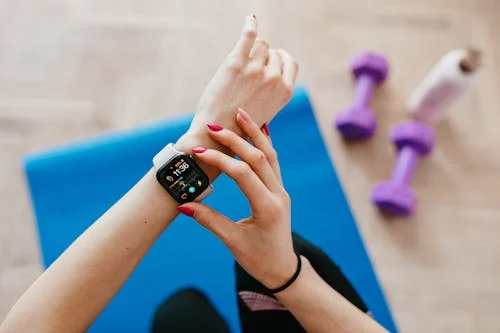
Wearable metrics that reveal hormone imbalance are one of the easiest ways for women to “see” what their hormones are doing in real time.
Your smartwatch, Oura ring, Whoop band, Fitbit, or Garmin is quietly tracking patterns that often shift weeks before labs or symptoms get bad — especially for cortisol, thyroid, and female sex hormones.
Let’s break down which numbers actually matter.
⭐ The 6 Most Important Wearable Metrics for Hormones
Not every data point matters. Steps are nice, but these six metrics are where hormone clues hide:
- HRV (Heart Rate Variability)
- Resting Heart Rate (RHR)
- Sleep Stages & Sleep Debt
- Night-time Body Temperature
- Cycle Tracking Patterns
- Recovery / Readiness Scores
We’ll go through each one and what “hormone red flags” they show.
1️⃣ HRV (Heart Rate Variability): Cortisol & Recovery Window
HRV = how flexibly your nervous system can adjust to stress.
- Low or dropping HRV = higher stress, more cortisol load
- Higher, stable HRV = better recovery, better hormone resilience
Hormone Red Flags:
- HRV slowly trending down for 7–14 days
- HRV crash after alcohol, late nights, or intense workouts
- Very low HRV + high stress + poor sleep → cortisol overload, early burnout
📎 Read More: 3 AM Cortisol Spike
Buy on Amazon →2️⃣ Resting Heart Rate (RHR): Thyroid, Cortisol & Inflammation
Your RHR (usually measured during sleep) tells you how hard your body is working at baseline.
- Higher RHR than your normal baseline
- Cortisol spike
- Inflammation
- Illness coming
- Very low RHR + fatigue, cold intolerance
- Possible low thyroid or under-fueling
Hormone Red Flags:
- RHR climbing + sleep getting worse → stress + inflammation
- RHR drops too low + fatigue + cold hands/feet → check thyroid + calories
📎 Read More: Metabolic Hypothyroidism
3️⃣ Sleep Stages & Sleep Debt: Progesterone, Estrogen & Cortisol
Most wearables show:
- Total sleep
- Deep sleep
- REM sleep
- Sleep debt / efficiency
Patterns That Suggest Hormone Issues:
- Waking consistently between 1–3 AM → cortisol dysregulation
- Very low deep sleep → poor repair, high stress, maybe low progesterone
- Fragmented sleep around PMS or perimenopause → estrogen/progesterone swings
If your device shows high sleep debt + low HRV + high RHR, your hormones are being stressed every night.
📎 Read More: EMF Exposure & Sleep–Cortisol Disruption
Most Accurate Buy on Amazon →4️⃣ Night-Time Body Temperature: Thyroid, Cycle & Inflammation
Oura rings and some watches track skin or body temperature trends.
What It Can Reveal:
- Consistently low temp → sluggish thyroid, low metabolic rate
- Higher temp + poor sleep → inflammation, infection, or progesterone shifts
- Temperature spikes in luteal phase = normal…
But huge swings + bad sleep may signal hormone imbalance.
📎 Read More: The Estrogen–Histamine Loop
5️⃣ Cycle Tracking + Symptoms: Estrogen & Progesterone Clues
Many wearables now log:
- Period dates
- Ovulation estimates
- Symptoms (mood, cramps, headaches, cravings)
Red Flags From Your Cycle Data:
- Short cycles (< 24–25 days)
- Long cycles (> 35 days)
- PMS mood swings worsening month to month
- Sleep disruption in luteal phase every month
- HRV crashes 3–5 days before period
All of these point toward estrogen dominance / low progesterone / stress-affected cycle.
📎 Read More: Fasting Like a Girl: Autophagy Windows for Your Cycle
6️⃣ Recovery / Readiness Scores: Overall Hormone Load
Oura, Whoop, Garmin, and others give a “readiness” or recovery score using HRV, sleep, temp, and activity.
When this score keeps dropping even on “normal” days, it usually means:
- Chronic stress
- Overtraining
- Perimenopause shifts
- Poor fueling
- Underlying inflammation or illness
These scores don’t diagnose anything — but they’re an early-warning system.
📎 Read More: PEMF Therapy for Stress Reduction & Recovery
⭐ Common Wearable Patterns in Hormone Imbalance
1. High Stress / Cortisol Pattern
- HRV trending down
- RHR trending up
- Readiness scores low
- Sleep short + fragmented
Often seen in:
- Burnout
- Overtraining
- High-pressure work seasons
2. Low Thyroid Pattern
- RHR lower than usual
- Temperature trend lower
- Steps/activity dropping because of fatigue
- Longer sleep, but still tired
- HRV not recovering well
📎 Read More: The “Full Thyroid Panel” Your Doctor Won’t Order
Buy on Amazon →3. Perimenopause Pattern
- HRV more erratic
- Temperature spikes at night
- Sleep disruption around ovulation + PMS
- Readiness score very sensitive to alcohol and late nights
📎 Read More: Why Perimenopause Feels Like a Second Puberty
4. Blood Sugar / Insulin Resistance Pattern
- RHR goes up after late, heavy, or high-carb dinners
- Sleep score tanks on high-sugar days
- Lower daytime energy despite “okay” sleep hours
📎 Read More: Healthy Foods That Spike Blood Sugar

⭐ How to Use Wearable Data Without Obsessing
- Look at trends, not single days
– Focus on 7–30 day patterns. - Pick 2–3 “anchor metrics”
– Example: HRV, RHR, and total sleep. - Notice how choices affect numbers
– Alcohol, late workouts, big stress days, poor meals. - Use data as a conversation starter with your doctor
– Screenshot HRV/RHR/temperature graphs that show long-term changes.
⭐ When to Get Labs Based on Wearable Data
Consider talking to your provider about testing if, for 4+ weeks:
- HRV remains low compared to your baseline
- RHR has climbed and stays high
- Sleep is consistently poor despite good habits
- Readiness scores stay low even on “easy” days
Ask about:
- Full thyroid panel
- Cortisol (AM, or salivary panel)
- Blood sugar & insulin markers
- Iron, B12, vitamin D, magnesium
(Always work with a licensed professional — wearables are tools, not diagnosis.)
Most Accurate Buy on Amazon →📎 Related Articles
📎 Read More: NAD+ Boosters & Metabolic Energy Decline
📎 Read More: PEMF Therapy for Stress Reduction & Recovery
⚠️ Health Disclaimer
This article is for educational purposes only and does not diagnose, treat, or cure any condition. Always consult a licensed healthcare provider before making medical decisions based on wearable data.